
















































Strength Training: Your Investment in a Longer, Healthier Life

SIGN UP FOR YOUR FREE DAY PASS TODAY!
 WHATSAPP
 EMAIL
EMAIL
 SHARE VIA
Many of us view exercise primarily as a tool for weight loss. While it can certainly help, the true power of planned, scheduled exercise—specifically strength training—lies in its ability to promote longevity and keep our bodies healthy for as long as possible.
 Poll
PollWhat's your go-to workout time?
It’s not just about looking better; it’s about living better.
According to physical education professor Felipe Isidro, strength training is the "medicine" proven to improve the function of our mitochondria, the tiny batteries in our cells that produce energy.
As we age, these mitochondria decline, leading to fatigue. By engaging in regular strength training, we can keep these cellular powerhouses healthy and maintain our vitality.
Why Strength Training is Crucial as You Age
Our muscles contain two types of fibers: slow-twitch for endurance activities like walking, and fast-twitch for power and speed.
As we get older, we naturally lose fast-twitch fibers first, which can lead to slower, more sluggish movements.
"Walking improves endurance, but it doesn’t stop the loss of fast-twitch fibers," Isidro explains. "Strength training is the only way to keep them."
From age 35 onward, we begin to lose muscle mass, a process that accelerates after 50. However, consistent training can dramatically slow this decline.
In fact, active individuals in their 70s can maintain the strength of a sedentary person in their 40s, effectively turning back their biological clock by up to 20 years.
This "use it or lose it" principle also applies to our bones, respiratory system, and even our quality of sleep.
VINYASA YOGA CLASSES AT GYMNATION
The Right Way to Strength Train
Effective strength training isn't about exhausting yourself. The key is quality over quantity, focusing on proper dosage and technique. Here are seven tips to get started, no matter your fitness level.
- Increase Frequency Slowly: Start with two sessions a week. The ideal is to progress to three or four days, with rest days in between. If you combine strength and cardio, do strength first.
- Start with Your Legs: Your legs hold the largest amount of muscle mass. Focusing on them first is vital, as this is where deterioration often begins.
- Prioritize Intensity, Not Reps: Perform repetitions with speed and intensity to activate fast-twitch fibers. Aim for half or fewer of your maximum possible reps to avoid fatigue.
- Incorporate Rest: Allow at least one to three minutes of rest between sets. You should be able to speak or even sing comfortably before starting your next set.
- Avoid Fatigue: The goal is quality movement, not exhaustion. Stop your set before fatigue compromises your form. It's better to do fewer reps well.
- Start Small: Even 10-15 minute sessions are effective. A simple circuit format, alternating exercises with breaks, is a great way to begin.
- Breathe Correctly: Use your diaphragm for long, full breaths. Proper breathing improves recovery and endurance.
For best results, try to exercise in the morning to align with your body's natural rhythms. You don’t need a gym; bodyweight exercises are highly effective.
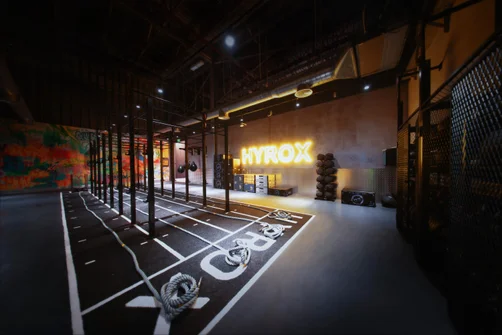
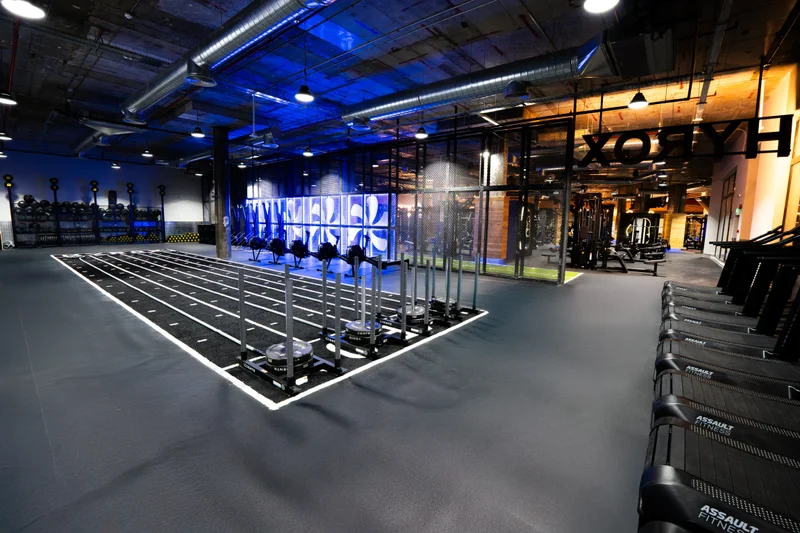
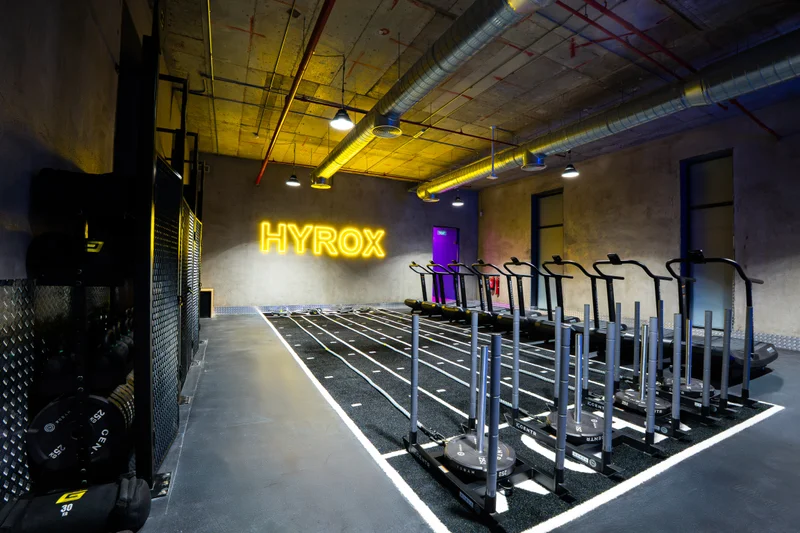
GET HYROX RACE READY AT GYMNATION
How to Test Your Strength at Home
Measuring your progress can be motivating. Here are three simple tests you can do at home to check your current strength and track your improvement.
- The Chair Test: Time yourself standing up from a chair and sitting back down five times as quickly as possible, without using your arms. This measures leg strength.
- The Stork Test: Balance on your non-dominant leg and lift the other. If you're under 50, try it with your eyes closed. Aim to hold the position for at least 45 seconds to test your balance and strength.
- The Six-Minute Endurance Test: Walk as fast as you can for six minutes. Covering more than 700 meters indicates excellent cardiorespiratory fitness, while less than 500 meters suggests room for improvement.
Source: vogue
The opinions shared in the GymNation blog articles are solely those of the respective authors and may not represent the perspectives of GymNation or any member of the GymNation team.
Frequently Asked Questions


How does strength training contribute to a healthy lifestyle?
GET YOUR FREE TRIAL TODAY