

Exercise Type: Yoga
Duration: 40 - 50 Mins

Approx Calorie Burn: 200 - 400

Fitness Level: All Levels Welcome
SIGN UP FOR YOUR FREE Breathing Yoga class TODAY!
WHAT IS PRANAYAMA BREATHING? BREATHING EXERCISES FOR YOUR BODY AND MIND
Pranayama is the ancient yogic practice of controlling the breath to improve physical and emotional health. The word pranayama comes from two Sanskrit words: prana, meaning life force or vital energy, and ayama, meaning control or regulation. In yoga philosophy, pranayama is regarded as the fourth limb of yoga in Patanjali's Yoga Sutras, and it is considered one of the most powerful practices for connecting the body and mind.
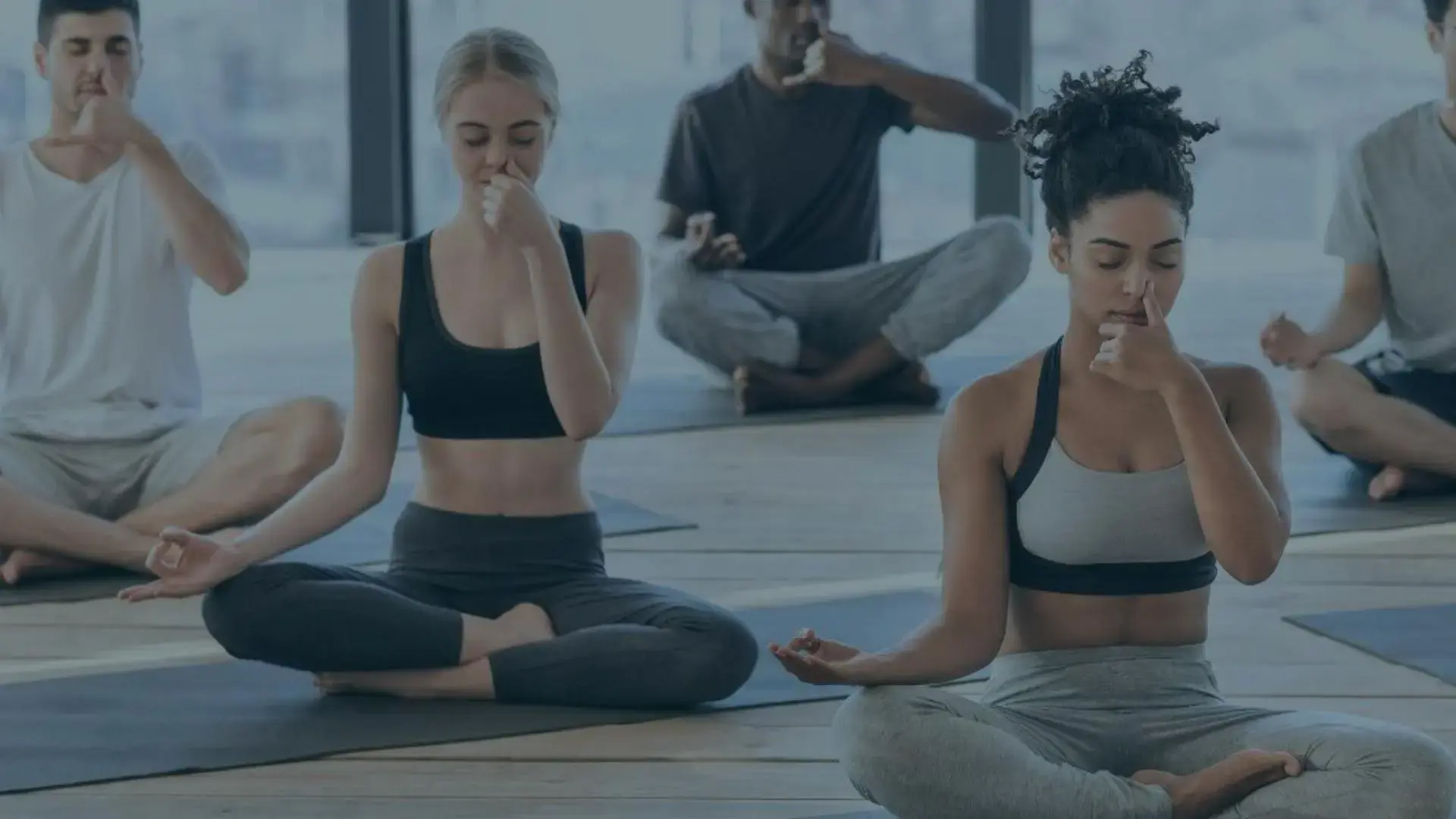
Practicing pranayama involves the regulation of inspiratory and expiratory movements of breath. Through slow, controlled breathing exercises, you learn to inhale deeply through the nose, hold the breath and exhale fully, activating the parasympathetic nervous system and promoting deep relaxation. At GymNation, our breathwork classes in Dubai bring the practice of pranayama into a modern fitness setting, making it accessible for beginners and experienced yoga practitioners alike.
Breathing Yoga class REVIEWS

WHY YOU'LL LOVE PRANAYAMA YOGA AND BREATHWORK AT GYMNATION
Pranayama and breathwork offer many benefits for your physical and emotional health. Here is what you gain from practicing pranayama at GymNation:
-
Improved lung function and lung capacity through breathing techniques that strengthen your respiratory muscles
-
Reduced stress, anxiety and high blood pressure through slow, deep breathing that activates a calming effect on the nervous system
-
Enhanced mental clarity, concentration and mindfulness through focused breath control
-
Better sleep quality and emotional regulation through regular pranayama practice
-
Improved blood flow, blood pressure balance and overall physical health
-
A powerful practice that bridges your body and mind, promoting relaxation and spiritual well being
Whether you are looking for breathwork Dubai classes to manage stress, improve your fitness or explore hatha yoga and pranayama breathing, GymNation is a welcoming space to begin your practice.
GETTING STARTED WITH BREATHING YOGA
No prior yoga experience is needed to join a breathwork or pranayama class at GymNation. The practice is suitable for all fitness levels and can be adapted for beginners through to advanced practitioners. Your yoga teacher will guide you through each breathing technique step by step, so you can focus on proper technique and build your confidence over time.
To get started, wear comfortable, loose clothing. Pranayama is best practised on an empty stomach or at least two hours after a meal. Arrive a few minutes early to settle in and prepare. You can practise pranayama seated on a mat, in a chair or in a comfortable position that allows you to sit tall with a straight spine. Just bring an open mind and a willingness to slow down, breathe and connect with the present moment.
Breathing Yoga FAQS
What is breathwork and how is it different from regular breathing?
Breathwork refers to any practice that involves conscious, intentional control of the breath. Regular breathing happens automatically, but breathwork and pranayama involve specific breathing techniques designed to influence your physical health, emotional state and mental clarity. Pranayama breathing uses structured patterns of inhalation, exhalation and breath retention to create specific effects in the body and mind, from deep relaxation to increased energy.
What are the benefits of breathwork classes?
The benefits of breathwork and pranayama are wide ranging. Regular practice can help reduce stress and anxiety, lower high blood pressure, improve lung function and lung capacity, enhance mental clarity and concentration, improve sleep quality, boost your immune system, promote relaxation and mindfulness, and support emotional health. Practicing pranayama can also help improve cognitive function and strengthen respiratory muscles over time.
Can beginners join a breathwork or pranayama class?
Yes. Breathwork and pranayama classes at GymNation are designed for all levels. No prior yoga experience is needed. The instructor guides you through each breathing exercise step by step, starting with simple breathing techniques like deep belly breathing before progressing to more advanced pranayama practices. It is one of the most accessible yoga practices available.
How often should I attend breathwork classes?
Practicing pranayama two to three times per week is a good starting point for experiencing the benefits. Even short daily practice at home (10 to 15 minutes) can make a meaningful difference to your stress levels, sleep and overall well being. Consistency is more important than duration. The more regularly you practise, the deeper the benefits become.
What is pranayama in yoga?
Pranayama is the fourth limb of yoga as described in Patanjali's Yoga Sutras. It is the practice of breath control, using specific breathing techniques to regulate the flow of prana (life force or vital energy) through the body. Pranayama is traditionally practised alongside yoga asanas (physical postures) and meditation to create a complete mind and body practice. At GymNation, pranayama is taught as both a standalone breathwork class and as part of broader yoga sessions.
What are the 5 basic types of pranayama?
The five foundational pranayama breathing techniques are: alternate nostril breathing (Nadi Shodhana), where you inhale through the left nostril and exhale through the right nostril in a rhythmic pattern; victorious breath (Ujjayi), a slow, ocean like breathing technique used in hatha yoga; bellows breath (Bhastrika pranayama), a rapid, energising breathing exercise that boosts prana and clears the nasal passages; skull shining breath (Kapalabhati), a cleansing pranayama technique involving sharp exhalation through the nose; and bee breath (Bhramari), where you hum while exhaling to promote relaxation and reduce anxiety. Each pranayama technique has a different effect on the body and mind.
How do you start pranayama as a beginner?
Start with simple deep breathing. Sit in a comfortable position, inhale slowly through the nose, filling your lungs completely, then exhale slowly through the nose or mouth. Once you are comfortable with deep breathing, try alternate nostril breathing: close the right nostril with your thumb, inhale through the left nostril, close the left nostril, then exhale through the right nostril. Repeat on the other side. A yoga teacher or breathwork instructor at GymNation can guide you through proper technique and help you progress at the right pace.
Does pranayama need to be done on an empty stomach?
Yes. It is recommended to practise pranayama on an empty stomach, ideally first thing in the morning or at least two hours after eating. Practicing pranayama breathing on a full stomach can cause discomfort and reduce your ability to breathe deeply. Light hydration with water before practice is fine.
Can breathwork help with anxiety and stress?
Yes. Pranayama and breathwork are among the most effective practices for reducing stress and anxiety. Deep controlled breathing activates the parasympathetic nervous system, which slows the heart rate and promotes a calming effect throughout the body. Practicing pranayama regularly can significantly lower anxiety levels and help with emotional regulation. Many people in Dubai attend breathwork classes specifically for stress management.
What should I wear to a breathwork or yoga breathing class?
Wear comfortable, loose clothing that does not restrict your breathing or movement. You do not need any special equipment. A yoga mat is helpful for seated pranayama practice. Bring water if needed, though most breathwork sessions are gentle enough that you will not need to drink during the practice.
How long does a typical breathwork session last?
Breathwork and pranayama classes at GymNation typically last between 30 to 45 minutes. This allows enough time for a gentle warm up, guided breathing exercises, pranayama techniques and a relaxation period at the end. Some sessions may also incorporate meditation and yoga asanas to create a fuller mind and body experience.
Is breathwork safe for people with high blood pressure?
Pranayama can actually help lower high blood pressure by reducing stress and activating the calming branch of the nervous system. However, some intense breathing techniques like bhastrika pranayama (bellows breath) or forceful breath retention may not be suitable for people with uncontrolled high blood pressure. Always inform your instructor about any health conditions before class, and consult your doctor if you have concerns. Slow, gentle pranayama breathing is generally safe and beneficial.
What is the difference between pranayama and breathwork?
Pranayama is the traditional yogic practice of breath control rooted in yoga philosophy and Hindu texts such as the Yoga Sutras and the Upanishads. Breathwork is a broader modern term that covers many different breathing techniques, including pranayama, therapeutic breathing, performance breathing and somatic breathwork. At GymNation, our classes draw from both pranayama tradition and modern breathwork methods to offer a practice that supports physical health, emotional balance and mindfulness.
Can yoga breathing exercises improve lung capacity?
Yes. Practicing pranayama regularly can help improve lung function by training you to hold your breath longer and increasing the strength of your respiratory muscles. Pranayama may also aid recovery from respiratory conditions and strengthen lungs affected by asthma. The practice of slow, deep breathing through the nose expands the lungs fully and improves oxygen flow throughout the body.
What is box breathing and when should I use it?
Box breathing is a simple breathing technique where you inhale for four counts, hold the breath for four counts, exhale for four counts and hold again for four counts. It is widely used for reducing stress, improving focus and calming the nervous system. Box breathing can be practised anytime you need to reset, whether before a workout, during a stressful moment or as part of your pranayama practice. It is an excellent breathing exercise for beginners.
What is ujjayi breathing and how do I practise it?
Ujjayi is a pranayama technique often called victorious breath. You breathe in and out through the nose while slightly constricting the back of the throat, creating a soft, ocean like sound. Ujjayi breathing is commonly used during hatha yoga and vinyasa practice to maintain focus, regulate energy and promote a meditative state. It helps slow the breathing, warm the air entering the lungs and enhance concentration during yoga asanas.
How can breathwork improve my sleep quality?
Pranayama and breathwork can improve sleep by activating the parasympathetic nervous system, which signals your body to relax and prepare for rest. Slow breathing techniques like alternate nostril breathing and deep belly breathing help lower the heart rate, reduce stress levels and quiet the mind. Practicing pranayama for 10 to 15 minutes before bed can be a powerful practice for improving sleep quality and reducing insomnia.
Do I need prior yoga experience before trying a pranayama class?
No. Pranayama is accessible for everyone, regardless of yoga experience. While pranayama is traditionally part of yoga, you do not need to know yoga asanas or have any meditation background to benefit from breathwork. Our classes at GymNation are designed so that complete beginners can follow along comfortably. The instructor provides clear guidance on proper technique throughout the session.
What happens to your body during a breathwork session?
During pranayama practice, controlled breathing increases oxygen flow to the brain and body, activates the parasympathetic nervous system and can release stored tension and emotion. You may notice your heart rate slow, your muscles relax and your mind become clearer. Some people experience tingling in the hands or a feeling of lightness, which is a normal response to changes in blood flow and oxygen levels. The overall effect is one of deep relaxation, improved mental clarity and a sense of balance.
Are there any side effects of pranayama or breathwork?
When practised correctly with proper technique, pranayama is safe for most people. However, some intense breathing techniques (like rapid bellows breath) may cause dizziness, lightheadedness or tingling if overdone, particularly for beginners. Always start with gentle pranayama breathing and progress slowly under the guidance of a qualified instructor. Pregnant women and people with respiratory or cardiovascular conditions should consult a doctor before starting. Some intense breathwork sessions may be restricted to adults aged 18 and over.
Where can I find breathwork classes in Dubai?
GymNation offers pranayama and breathwork classes at select locations across Dubai, Abu Dhabi and the UAE. All sessions are led by qualified instructors in a calm, supportive environment. Check the GymNation app or timetable page to find a breathwork or pranayama yoga class near you. You can try a session with a free day pass before committing to membership.