















































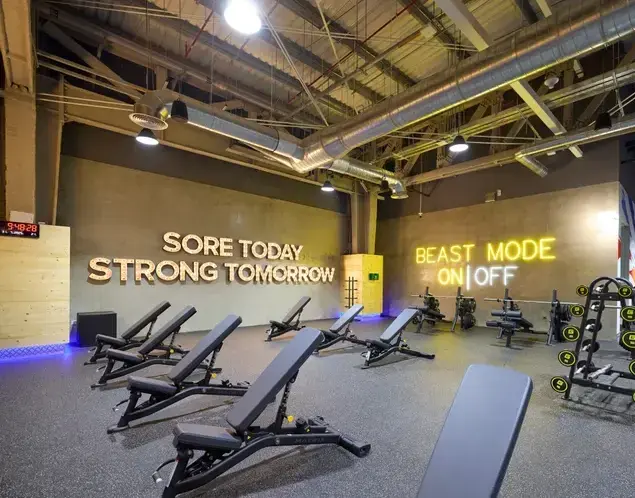


























7 Reasons Joining a Gym Beats Working Out at Home

SIGN UP FOR YOUR FREE DAY PASS TODAY!
 WHATSAPP
 EMAIL
EMAIL
 SHARE VIA
Home workouts can be convenient, but convenience is not the same as consistency. A gym environment is built to remove friction: it gives you a dedicated space, tools, and routines that make training easier to start and easier to stick with.
If your goal is long-term healthy living rather than a short burst of motivation, these are the gym benefits that matter most.
 Poll
PollWhat's your go-to workout time?
1) You’re more likely to stay consistent when you’ve committed
A gym membership creates a clear decision: you’ve invested, so you show up. That simple psychological commitment often becomes the difference between “starting” and “staying.”
Practical move: schedule your training like appointments. Pick 3 fixed days and protect them.
You can explore GymNation membership options here.
2) Community makes motivation easier to find
Training around other people who are working toward their own goals changes your mindset. You are less likely to skip, more likely to push a little harder, and more likely to enjoy the process.
Even if you do not talk to anyone, the environment still helps. It normalises the habit.
3) The gym creates accountability without extra effort
At home, it’s easy to drift: a missed session turns into a missed week. In a gym, the structure is built in. You can track progress, repeat sessions, and build a routine that develops over time.
Simple accountability method:
-
Track just 3 things for 4 weeks: sessions per week, steps, and one strength lift (like a squat or row).
-
Aim for small improvement, not perfection.
4) You get variety that keeps your body progressing
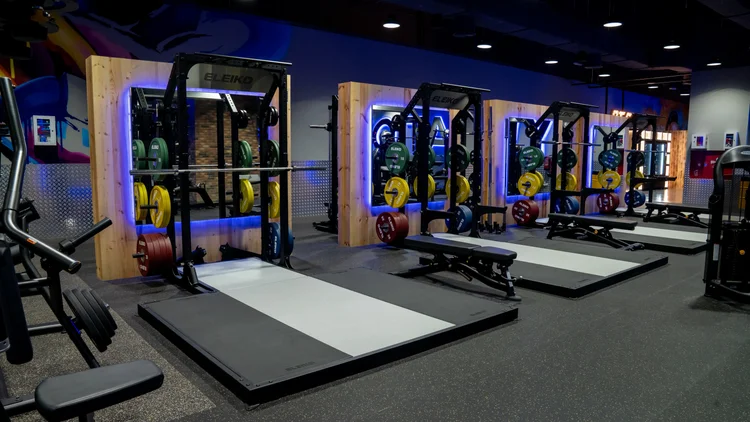
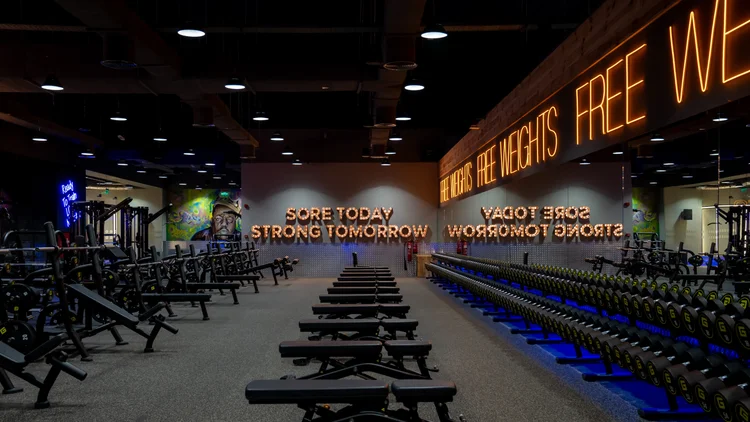
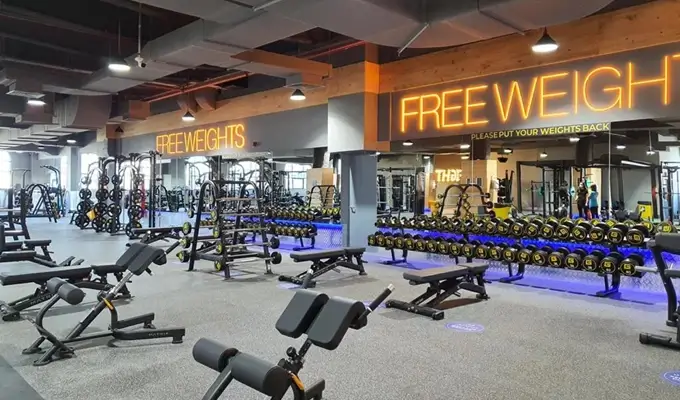
Home training often becomes repetitive, especially when you rely on limited weights or the same videos. Gyms make it easy to rotate training styles:
-
Strength training for muscle and metabolism
-
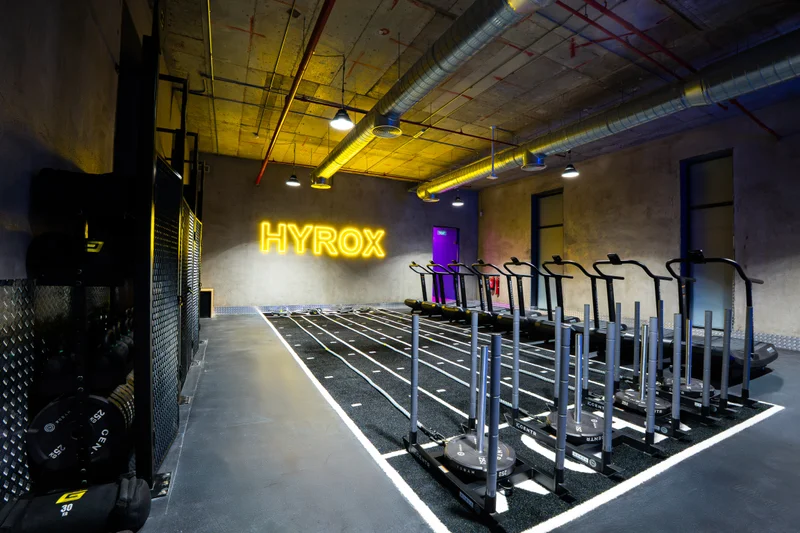
Functional training for movement quality
-
Low-impact sessions for recovery
-
Cardio options that suit your joints and preferences
Variety is not about doing everything. It’s about having enough options to keep improving without burning out.
5) A change of environment helps you focus
Your home is full of triggers to stop: chores, phones, TV, snacks, and interruptions. A gym is a single-purpose space. That matters.
Try this: set a 45 to 60-minute “training window” where your only job is to move. You will be surprised how much easier it is to finish.
6) Coaching reduces guesswork and lowers injury risk
One of the biggest downsides of home workouts is poor form and random programming. A qualified coach can help you:
-
train for your goal (fat loss, strength, mobility, fitness)
-
adjust technique so you feel the right muscles working
-
progress safely and consistently
Even a few sessions to learn fundamentals can upgrade everything you do afterward.
7) Group classes make training feel easier to start
If you struggle with motivation, group fitness is the easiest entry point. You arrive, follow the plan, and leave knowing you completed a full session.
A recovery-focused option that pairs well with strength training is yoga. It improves mobility, breathing control, and stress management, which supports better training consistency overall.
The bottom line
Home workouts can work, especially if you already have discipline and the right setup. But for most people, a gym is the better long-term option because it provides structure, community, accountability, variety, and professional support, with fewer distractions.
If healthy living is the goal, choose the environment that makes consistency the default.
Source: timeout.com
The opinions shared in the blog articles are solely those of the respective authors and may not represent the perspectives of GymNation or any member of the GymNation team.
Top 5 FAQs 7 Reasons Joining a Gym Beats Working Out at Home


Is the gym better than home workouts for weight loss?
Usually, yes. The gym makes consistency, progression, and training variety easier, which are key drivers of fat loss results.
What if I feel intimidated at the gym?
Start with quiet hours, use a simple plan, and focus on repeating the same routine for 2 to 3 weeks. Confidence comes from familiarity.
Do I need a personal trainer to see results?
Not always, but guidance can speed up progress and reduce injury risk. Even a few sessions to learn technique can help a lot.
Are group classes effective?
Yes. They provide structure and consistency, which is why many people stick with them longer than solo workouts.
How many days a week should I go to the gym as a beginner?
Start with 3 sessions per week. Add daily walking and one recovery session (like yoga) if you want a simple, sustainable routine.
GET YOUR FREE TRIAL TODAY