
















































Cycling in India: From Fitness Routine to Sporting Powerhouse

SIGN UP FOR YOUR FREE DAY PASS TODAY!
 WHATSAPP
 EMAIL
EMAIL
 SHARE VIA
Union Minister for Youth Affairs and Sports Dr Mansukh Mandaviya used the unveiling of the UCI Class 2.2 Pune Grand Tour trophy in New Delhi to deliver a clear message: cycling should sit at the heart of India’s fitness and sports strategy.
 Poll
PollWhat's your go-to workout time?
At the event, he described how initiatives such as the Fit India Movement’s “Sundays on Cycle” have helped turn cycling into part of daily life and sporting culture across the country, with people of all ages taking to two wheels.
Calling cycling one of the most holistic forms of exercise, he highlighted its role in building physical endurance, supporting mental well being and protecting the environment, all while aligning with the aims of the Fit India Movement.
“Not only fitness” – why cycling must grow as a sport
Dr Mandaviya was very clear that cycling’s future in India cannot be limited to recreation. He argued that
“Cycling must be promoted not only as a fitness activity but also as a competitive sport and a cultural movement capable of producing Olympic champions.”
That statement underlines three key ideas:
-
Cycling for everyday health
-
Regular cycling improves heart, lung and circulation health and lowers the risk of cardiovascular disease.
-
It is a low impact form of aerobic exercise, making it suitable for a wide range of ages and fitness levels.
-
-
Cycling as a serious competitive pathway
-
Cycling as a cultural movement
The Pune Grand Tour and India’s global ambitions
The Pune Grand Tour, sanctioned as a UCI Class 2.2 event, is positioned as a milestone in India’s growing presence on the international cycling calendar.
By unveiling the trophy in the national capital, the Sports Minister linked the event to a bigger narrative:
-
India is increasingly ready to host world class competitions in multiple sports.
-
High quality home events give Indian riders exposure to international standards without always needing to race abroad.
-
Strong domestic events attract sponsors, media and fans, which in turn feed back into grassroots participation.
Dr Mandaviya also pointed out that Indian sports governance is in a “transformative phase,” with athlete centric policies, more transparent selection systems and a stated commitment to gender equality forming the backbone of future progress.
A long term roadmap: from 2025 to 2047
The speech made it clear that cycling is part of a much longer journey for Indian sport. According to the Minister:
-
A comprehensive 10 year roadmap is already in place.
-
A broader strategy runs up to 2036, with the goal of placing India among the top 10 sporting nations.
-
The longer term ambition is to reach the top 5 by 2047, aligning with the centenary of India’s Independence.
Cycling, with its crossover benefits for mass fitness, talent identification and green mobility, fits naturally into this plan.
Recognising cycling as a state sport
Dr Mandaviya urged states such as Uttar Pradesh and Maharashtra to formally recognise cycling as a state sport.
That kind of recognition matters because it can:
-
Bring clearer funding for coaching, facilities and events.
-
Help schools and colleges create structured cycling programmes.
-
Encourage local federations to run district and state races that feed into national level competitions.
When cycling is visible at state level, it becomes easier to identify promising riders early and give them the support needed to progress through the ranks.
Why cycling is such a powerful fitness tool
The Minister’s focus on cycling aligns closely with current research on physical activity and health:
-
Heart and metabolic health
Regular cycling can reduce the risk of cardiovascular disease and improve markers such as blood pressure, cholesterol and overall cardiovascular fitness.
-
Mental health and stress relief
Studies show that consistent aerobic activity, including cycling, is linked to better mood, lower anxiety and improved sleep quality. -
Weight management and body composition
Steady cycling helps burn calories and maintain lean muscle, supporting sustainable weight management rather than quick fix dieting. -
Environmental and social benefits
When used for commuting and daily trips, cycling reduces congestion and emissions, and contributes to safer, more active communities.
For many people, a mix of outdoor rides and indoor sessions is the most realistic way to stay consistent throughout the year.
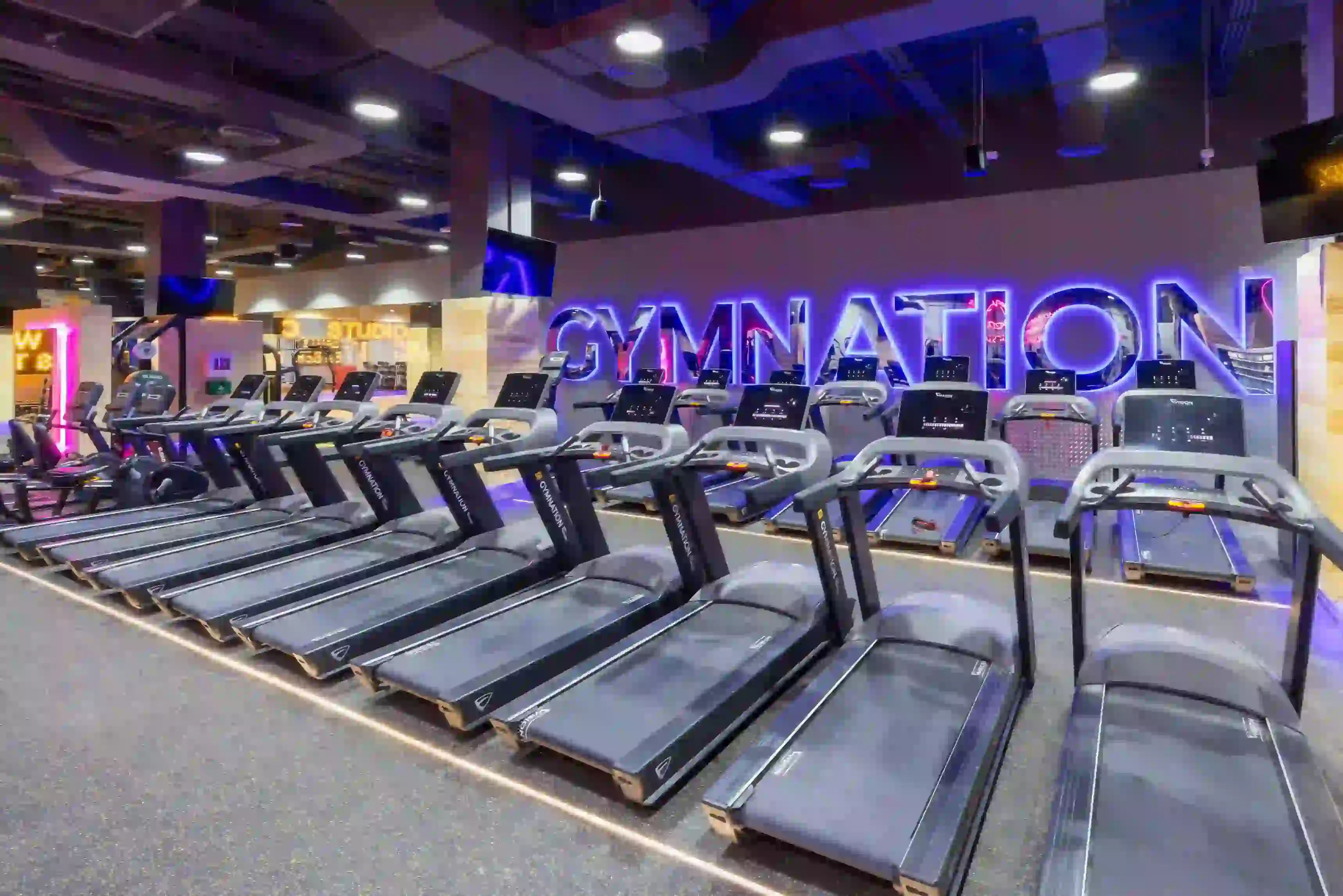
Structured indoor cycling sessions, such as RPM style classes, allow you to mimic climbs, sprints and race efforts in a controlled environment with clear intervals and music driven motivation.
You can explore this type of training through LES MILLS RPM classes available at GymNation.
From national policy to your weekly routine
All the strategy in the world only matters if it changes what people actually do week to week. Whether you live in a major city or a smaller town, you can apply the same principles behind India’s cycling push to your own training.
1. Start with realistic frequency
Aim for 3 cycling sessions per week, 20 to 45 minutes each. That might mean short commutes, recovery spins or weekend rides.
2. Mix intensities across the week
-
One easy, conversational ride to build base endurance.
-
One moderate ride where you sit just outside your comfort zone.
-
One session of intervals or hill efforts to challenge your heart and lungs.
If you train indoors, interval work is where studio cycling really shines, thanks to pre planned profiles and coaching cues. Group sessions on the main fitness classes page can add that structure and social push many riders find helpful.
3. Pair cycling with simple strength work
Two short strength sessions a week focusing on legs, hips and core will make you more stable and powerful on the bike, and help protect against overuse injuries.
4. Protect your recovery
Cycling may be low impact, but sufficient sleep, hydration and nutrition are still non negotiable if you want to progress.
Source: ddnews.gov.in
The opinions shared in the blog articles are solely those of the respective authors and may not represent the perspectives of GymNation or any member of the GymNation team.
Top 5 FAQs about Mandaviya’s cycling statement and India’s plans


What exactly did Dr Mansukh Mandaviya say about cycling?
At the UCI Class 2.2 Pune Grand Tour trophy unveiling, he said that “cycling must be promoted not only as a fitness activity but also as a competitive sport and a cultural movement capable of producing Olympic champions,” linking it to India’s wider sporting ambitions.
What is the UCI Class 2.2 Pune Grand Tour?
It is an international road cycling event on the UCI calendar. Hosting a Class 2.2 race gives India experience with global level competition, offers Indian riders exposure to international fields and showcases the country’s capacity to stage high quality cycling events.
How does this fit into India’s long term sports strategy?
Dr Mandaviya highlighted a 10 year roadmap and a longer strategy up to 2036, with the goal of placing India among the top 10 sporting nations by 2036 and the top 5 by 2047. Growing cycling both as fitness and as a performance sport is one piece of that wider plan.
Why is cycling so strongly promoted for fitness?
Cycling improves cardiovascular health, supports weight management, boosts mental wellbeing and provides a low impact option for people who cannot tolerate high impact sports. It can also double as sustainable transport, reducing pollution and congestion.
What can an everyday person do to support this cycling movement?
You can start by including regular rides in your week, using a bike for short errands, joining local rides or clubs and supporting events in your city. If outdoor riding is difficult, indoor cycling or RPM style classes at a local gym offer many of the same fitness benefits in a safe, structured environment.
GET YOUR FREE TRIAL TODAY