















































Dubai Fitness Secrets: Max Strength With Minimal Workouts

SIGN UP FOR YOUR FREE DAY PASS TODAY!
 WHATSAPP
 EMAIL
EMAIL
 SHARE VIA
Popular fitness YouTuber Will Tennyson is hitting some of the best numbers of his lifting life while training out of Dubai.
 Poll
PollHow long is your ideal workout?
In a recent video on his new, stripped-back YouTube channel, he walks through the exact upper–lower routine that took his incline chest press to 150 kg for 6 reps and left him feeling “the strongest I’ve ever been.”
The surprising part is not the weight on the bar. It is how simple the structure is:
-
Five lifting days per week
-
Only two heavy work sets for big compound lifts
-
Long rest periods
-
Mostly machine-based training
-
Relentless tracking and great sleep
This is less about a “Dubai magic program” and more about getting the basics absolutely nailed. Here is how his system works and how you can adapt the same principles in your own training, whether you lift at home, in a local facility or at a GymNation gym in the UAE.
1. The Dubai experiment: what actually changed
For three weeks in Dubai, Tennyson removed distractions. No late nights, no “detrimental activities,” and a focus on training, eating and sleeping.
That environment gave him:
-
Consistent session times
-
High quality sleep most nights
-
Stable access to the same machines and setup
Research supports this kind of approach. Upper–lower splits that hit each muscle group at least twice per week are strongly linked with better strength and muscle gains compared with once-weekly training.
Tennyson went further, effectively training many muscles three times per week.
The lesson: the environment matters as much as the set and rep scheme.
2. The weekly structure: simple upper–lower done well
Tennyson’s routine is a five-day upper–lower split:
-
Day 1: Upper
-
Day 2: Lower
-
Day 3: Upper
-
Day 4: Lower
-
Day 5: Upper
-
Days 6–7: Rest days with light cardio and core
Each muscle is trained about three times weekly. Volume per session is moderate, which keeps fatigue in check so he can bring real intensity to every main lift.
This fits well with evidence that 2–3 quality hits per muscle group per week tends to outperform marathon once-per-week sessions.
3. Two heavy work sets: why less can be enough
The biggest shock for many viewers is that major compound movements get only two working sets. That is not a typo.
For example, on his heavy chest press day he loads:
-
Week one: 140 kg for his top sets
-
Week two: 150 kg for 6 reps, which is a personal best effort
His reasoning:
-
When the weight is genuinely heavy, performance usually drops off sharply by set three.
-
If he did a third set, he doubts it would beat the first two, so it would just add fatigue without extra adaptation.
The catch is that those two sets are not “feelers.” Warm-ups happen beforehand. When the first work set starts, he is mentally and physically ready to give near-maximal effort from rep one.
For isolation moves, he increases to three sets because the nervous system stress is lower and recovery is quicker.
4. Rest as a performance tool, not a stopwatch
Between those heavy sets, Tennyson is in no hurry.
He takes as long as he needs until:
-
Heart rate has dropped
-
Breathing is under control
-
He feels ready to match or beat his previous performance
There is no arbitrary 60–90 second timer. For big compound lifts, especially near-maximal work, this makes sense. Longer rest periods are known to support better strength output and higher quality reps, particularly when sets are close to failure.
The key is honesty. Long rest only works if you use it to lift harder, not to scroll your phone.
5. Machines first: chasing output, not style points
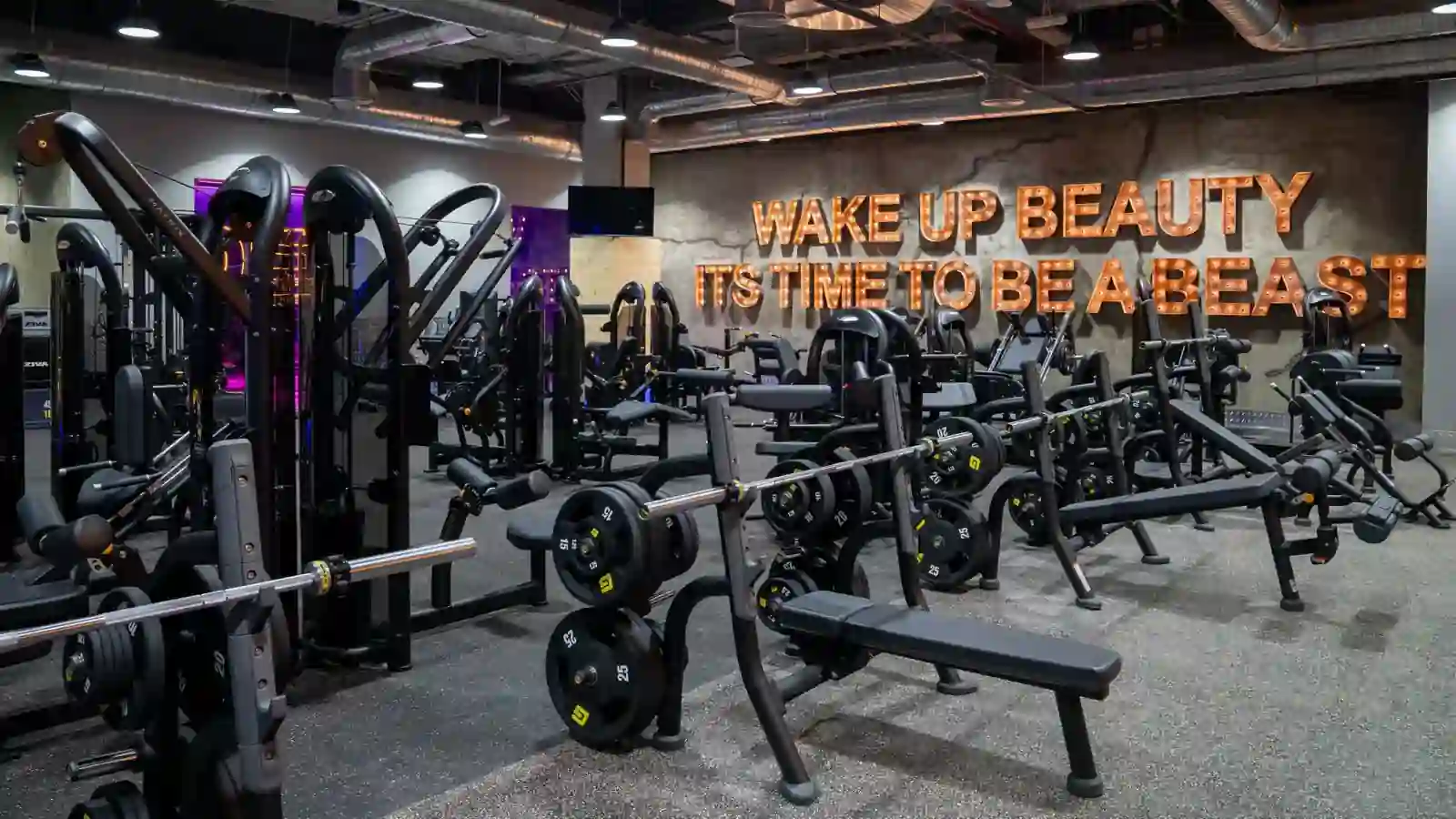
Another “controversial” piece of his system is how machine-focused it is. Tennyson favours the Smith machine, chest press machines and other fixed-path equipment over free weights whenever heavy work is involved.
His logic:
-
Machines provide stability and remove the need to balance the load.
-
That lets him channel more effort into pure force production.
-
It also lowers injury risk when pushing near the limit.
Evidence backs the idea that machines and free weights both build strength and muscle. Free weights recruit more stabilisers and may better support overall athleticism, while machines offer consistency, safety and easier progressive overload.
Tennyson leans into the strengths of machines for this phase of training: heavy, repeatable efforts on the same setups, week after week.
6. Progressive overload and tracking: the non-negotiable
The real “secret” is not the split. It is relentless tracking and progressive overload.
Before every session he checks last week’s numbers and writes down exactly what needs to improve. For example:
-
On lateral raises he moved from 68 kg total to just over 70 kg using small 2.3 kg jumps, hitting 9 reps because he knew the precise target.
Progressive overload – steadily increasing weight, reps or difficulty over time – is widely recognised as the primary driver of strength and muscle gains.
Without it, even a good plan stalls.
If you want to apply this yourself:
-
Log every working set.
-
Aim to beat at least one number (weight, reps or control) each week.
-
Stick with the same key exercises so your comparisons are meaningful.
7. Sleep, lifestyle and the Dubai effect
One of the clearest trends Tennyson noticed was how closely his performance tracked with sleep quality.
-
On nights with just over 6 hours of sleep, his incline press suffered.
-
He believes that with 8 hours, he likely would have squeezed out one or two more reps on heavy sets.
He is also brutally honest about lifestyle. A single “alcohol, drug-fuelled three-day bender,” as he calls it, could erase weeks of progress, which keeps him disciplined during serious training blocks.
This lines up with broader research showing that chronic sleep restriction and high lifestyle stress blunt strength, recovery and body composition improvements.
8. Isolation work, soreness and what “enough” feels like
After the big lifts, Tennyson moves to isolation exercises like pec deck flyes, cable curls and triceps work. Here he typically uses:
-
Three sets
-
Slightly shorter rest
-
A focus on quality contractions rather than ego loading
Because he avoids brutal high-volume “destroy a muscle” sessions, he reports minimal soreness after upper body days and could technically train the same areas again the next day.
Many lifters are conditioned to chase soreness as proof of a good workout. This approach instead chases:
-
Stable performance
-
Frequent high-quality sessions
-
Steady progress over weeks and months
Muscle damage and soreness are not mandatory for growth, especially when frequency and progressive overload are already dialled in.
9. Cardio and core: low-intensity, separate from lifting
Tennyson trains five days per week and reserves his “rest days” for low-intensity work:
-
30 to 40 minutes of walking
-
Two to three core exercises done when he is mentally fresh
He deliberately avoids tacking core work onto the end of long lifting sessions, when form and focus tend to drop. Instead he treats it as its own short, crisp session at home.
This style of walking is classic LISS cardio (low intensity steady state). LISS at an easy pace has been shown to improve endurance, support fat loss and aid recovery without interfering with strength training.
The Dubai twist: peak summer heat has pushed his daily step count down to around 2,000 steps, far below the 15,000 he was averaging earlier in the year while travelling. It highlights how environment can quietly change energy expenditure even when training stays consistent.
10. Should you copy this exact plan?
Even Tennyson is clear that his current upper–lower structure is not for everyone. Some lifters prefer a push–pull–legs or full-body layout, or simply enjoy higher pump-focused volume.
What is worth borrowing are the principles behind his Dubai block:
-
Train each muscle 2–3 times per week with manageable session volume.
-
Limit heavy compound work to a few all-out sets instead of endless junk volume.
-
Rest long enough between heavy sets to repeat high performance.
-
Use machines where they help you push harder and safer, especially when tired or training alone.
-
Track everything so you are progressing deliberately, not guessing.
-
Protect sleep and recovery, and be honest about how nightlife or stress might be holding you back.
-
Use easy walking and short core sessions as low-stress support work.
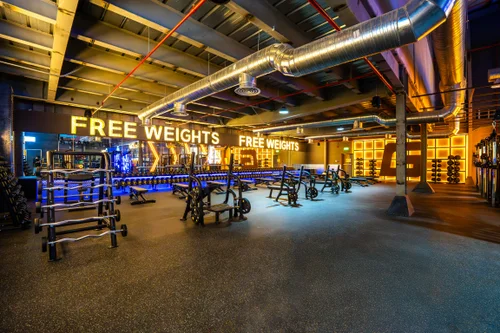
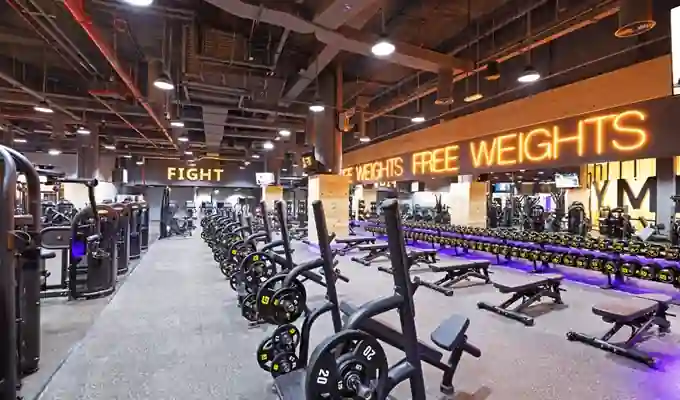
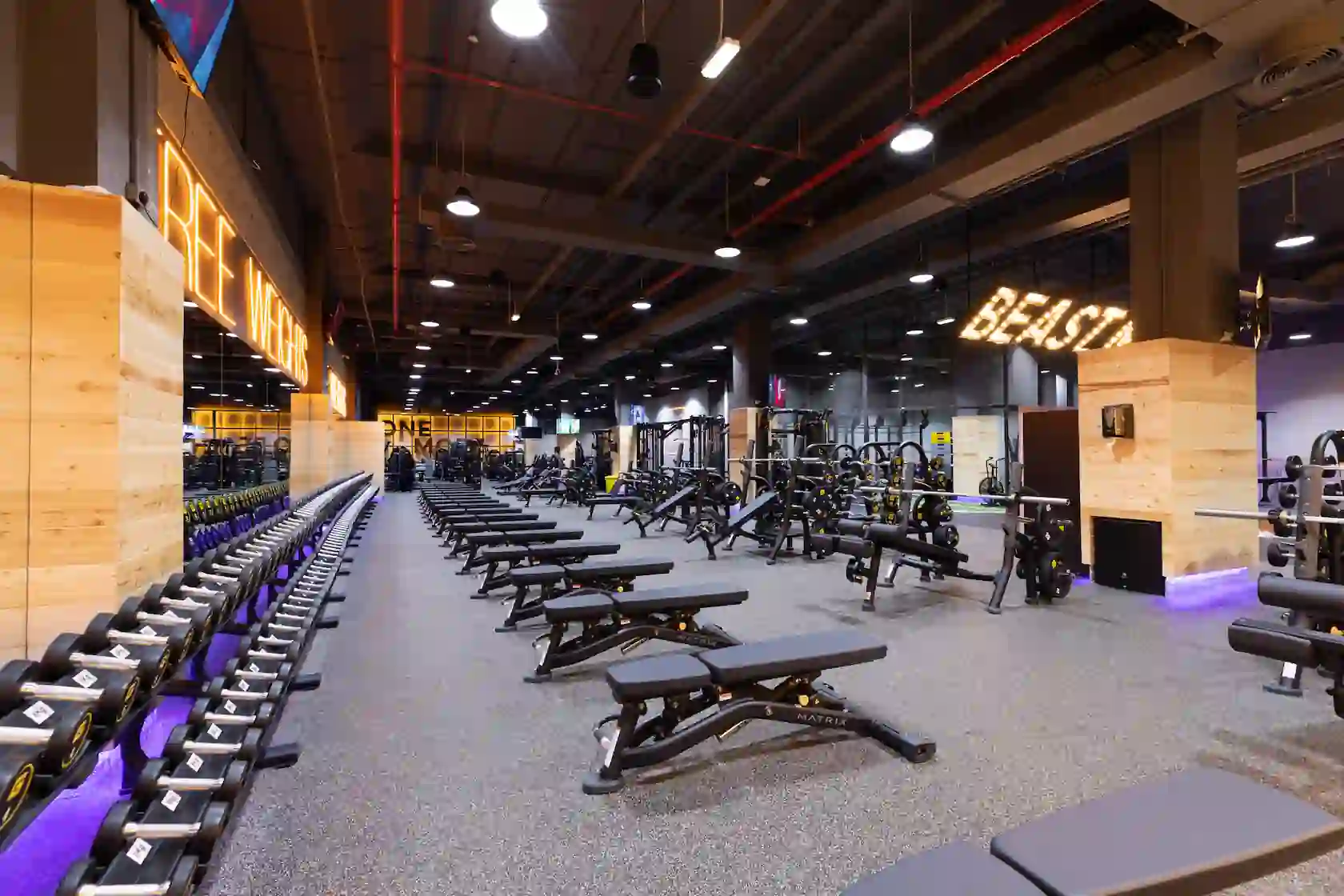
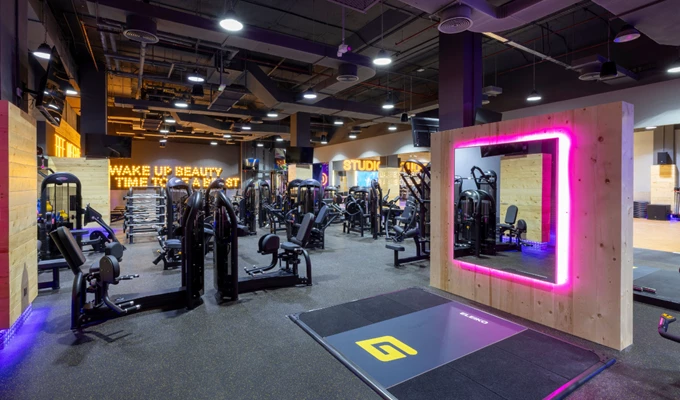
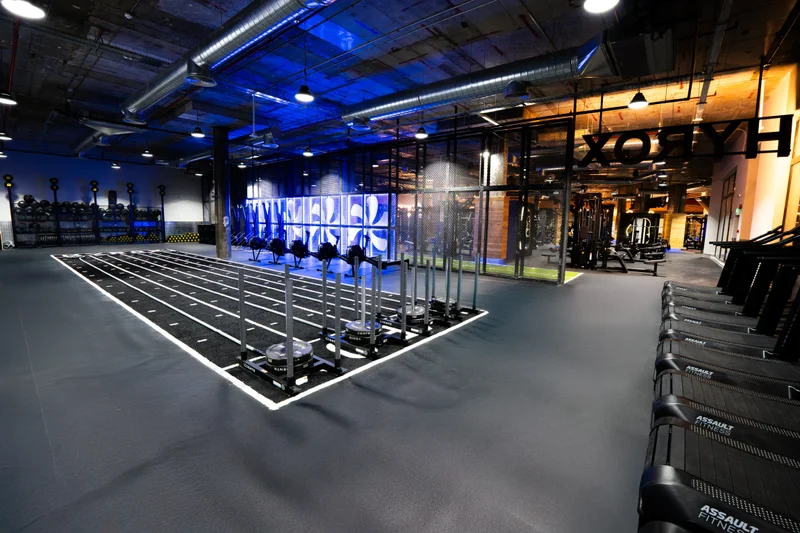
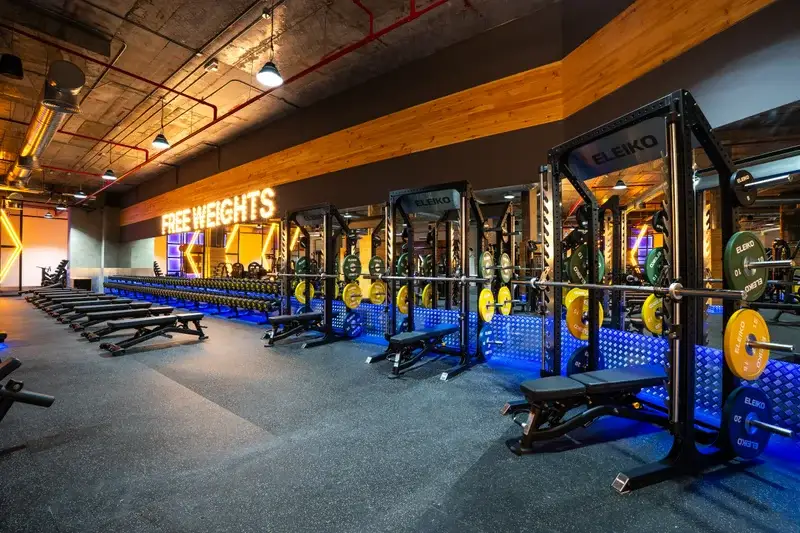
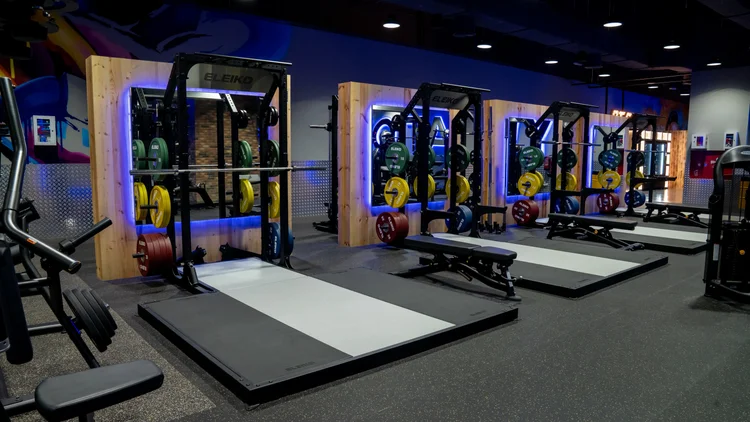
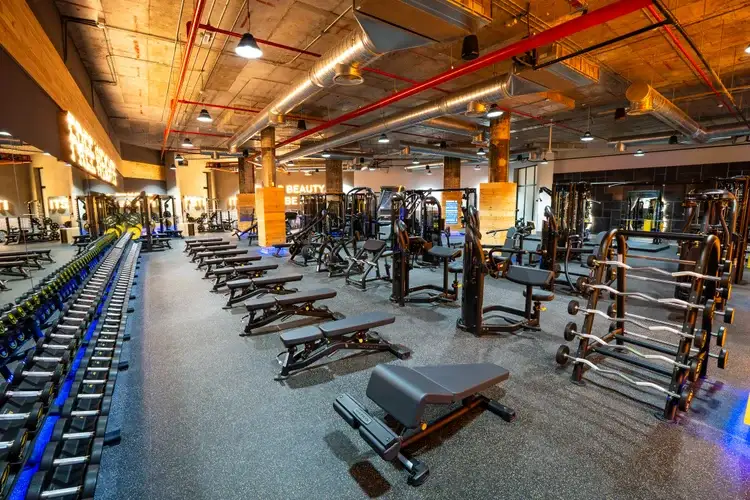
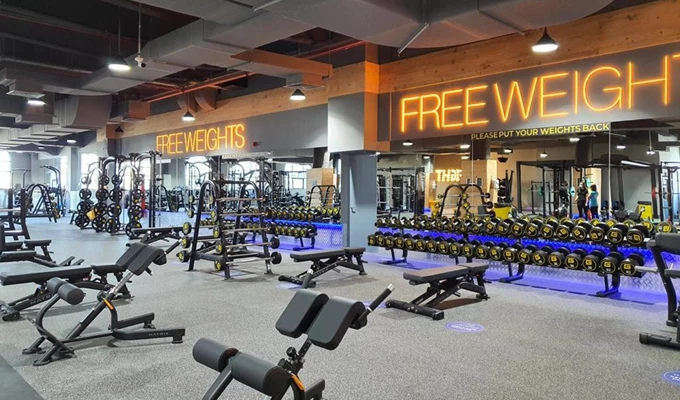
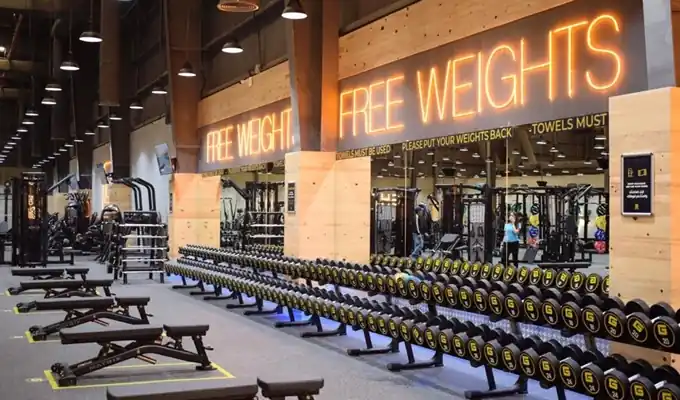
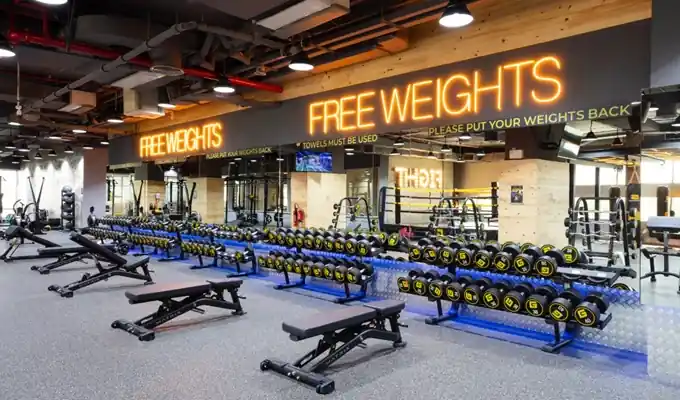
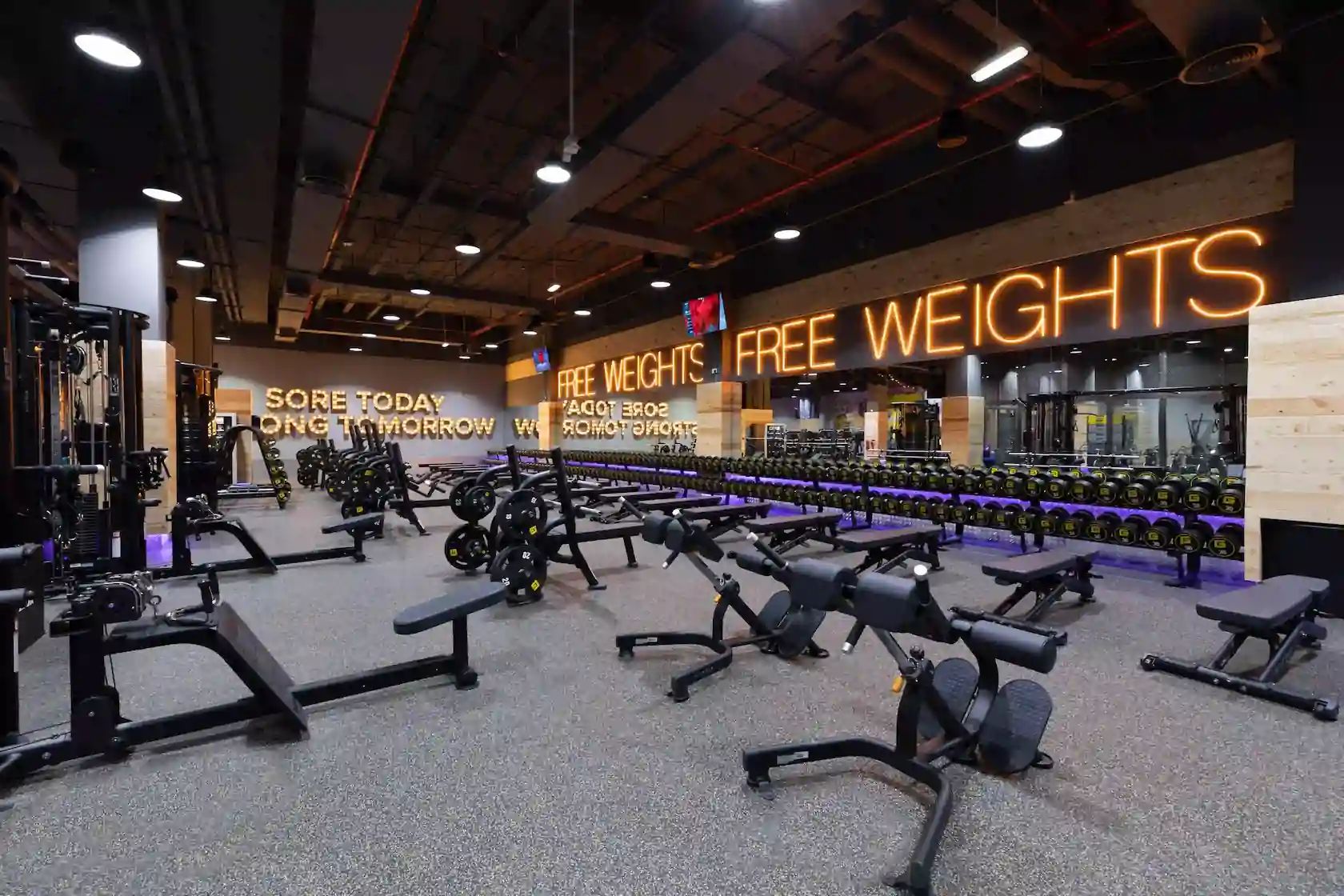
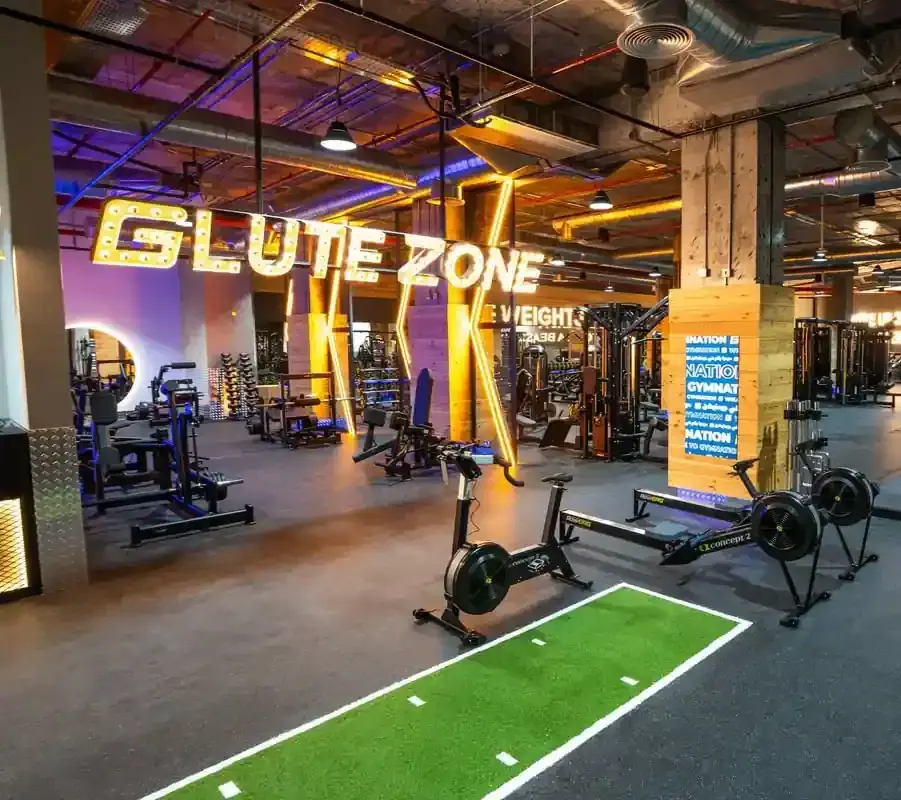
If you train at a facility like GymNation gyms across the UAE, you have access to both quality machines and free weights. You can apply the same ideas to your own split, whether that is upper–lower, push–pull–legs or a customised plan shaped by a coach or group class schedule.
Source: boxlifemagazine.com
The opinions shared in the blog articles are solely those of the respective authors and may not represent the perspectives of GymNation or any member of the GymNation team.
Top 5 FAQs about minimal-workout strength plans


Can two work sets per exercise really build strength and muscle?
Yes, if those sets are truly hard, close to technical failure, and supported by progressive overload. Evidence suggests that total weekly quality sets per muscle matter more than marathon sessions in a single day. An upper–lower split that hits muscles 2–3 times per week can deliver excellent gains with only a few all-out sets per lift.
Is an upper–lower split better than push–pull–legs?
Neither is universally “best.” Upper–lower splits shine for people who can train 4–5 days per week and want a balance of strength and size, with each muscle hit at least twice weekly. Push–pull–legs can work very well too, especially at higher training frequencies. The right choice is the one you can perform consistently while recovering properly.
Are machines as good as free weights for strength?
Both work. Free weights usually recruit more stabiliser muscles and can better mimic real-world movement, while machines provide stability, safety and a consistent path that often makes heavy loading and tracking easier. Many successful lifters combine the two, using machines for near-limit strength sets and free weights for overall athletic development
Do I need to feel sore after every workout for it to be effective?
No. Soreness is a sign that muscles were stressed in a new or intense way, not a requirement for progress. Regular moderate soreness can be normal, but constant severe soreness often signals too much volume or poor recovery. Strength and muscle gain are better judged by steady improvements in performance and body composition, not pain levels.
How should I structure cardio when my main goal is strength?
Keep cardio low to moderate intensity and place most of it away from heavy lifting sessions. Walking 30–40 minutes on non-lifting days is a simple way to improve heart health, aid recovery and support fat loss without draining your strength. Longer, easy walks and LISS-style efforts are especially useful for lifters who already push hard with weights.
GET YOUR FREE TRIAL TODAY