
















































Dubai just broke a Guinness World Record with Lagree: what it means for your training

SIGN UP FOR YOUR FREE DAY PASS TODAY!
 WHATSAPP
 EMAIL
EMAIL
 SHARE VIA
Dubai turned a Sunday workout into a headline moment by hosting the largest Lagree Fitness class on record, with 253 people training on Microformers beneath the DIFC Gate, while Guinness World Records officials verified the attempt on-site.
The session wasn’t just about numbers. It highlighted why Lagree has become a go-to for people who want strength, endurance, and a serious burn without the joint-heavy impact of many high-intensity formats.
 Poll
PollWhat do you value most in your gym experience?
What happened at DIFC
-
253 participants trained together under the DIFC Gate on Microformers.
-
Sebastien Lagree, the creator of the Lagree Method, led two back-to-back 45-minute sessions.
-
The event was organised through a partnership between Longevity Wellness Hub, DIFC, and Lagree Fitness.
-
The atmosphere leaned into community: music, synchronized movement, and a shared “finish-line” energy.
What is Lagree, really?
Lagree is often described as “Pilates-inspired,” but it’s better understood as high-intensity, low-impact strength endurance training.
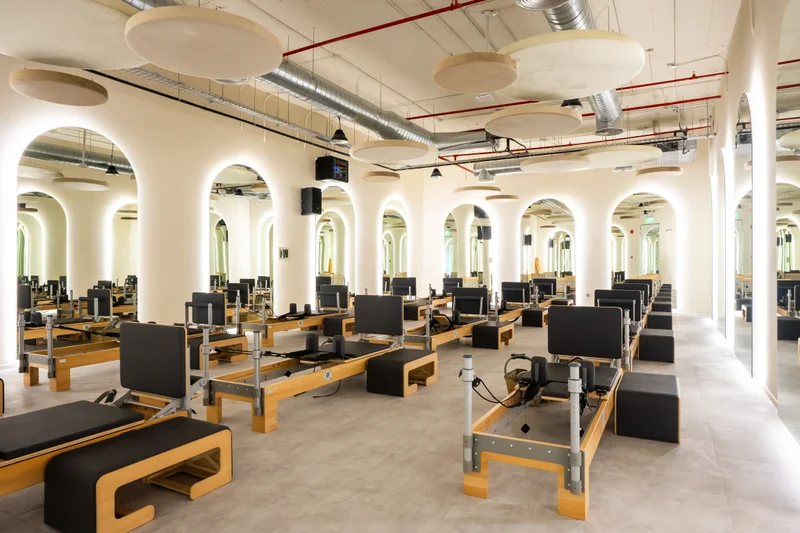
You’ll move through slow, controlled patterns that keep muscles under tension for longer. That’s why it can feel deceptively tough even when the movements look simple. The Microformer adds resistance and instability, forcing your core, glutes, and shoulders to work hard to stay organised.
Why it feels effective (and why people stick with it)
Lagree is built around three things that create results without needing long workouts:
-
Time under tension (slow tempo, constant control)
-
Full-body integration (you’re rarely isolating one muscle)
-
Low-impact intensity (high effort, lower joint stress)
If you like the “shaky legs” feeling after a session, this is usually why.
Who Lagree suits best
Lagree is a strong fit if you want:
-
Better core strength and posture control
-
More lower-body endurance (glutes, quads, hamstrings)
-
A training style that challenges you without pounding your joints
-
A structured class environment that keeps you consistent
It can also pair well with running, cycling, and gym strength work because it trains control and resilience under fatigue.
How to start without burning out
Lagree is intense, so the smart move is to ramp up gradually.
A simple starter plan
-
Week 1–2: 1 session/week
-
Week 3–4: 2 sessions/week
-
After that: 2–3 sessions/week, depending on recovery
On your non-Lagree days, keep movement easy: walking, light cycling, mobility.
If you want a similar “control + core” focus in a different format, Reformer Pilates classes are another excellent option for building strength and stability.
Key safety tips (especially if you’re new)
Most problems happen when people chase intensity and lose form. Keep these cues in mind:
-
Prioritise range you can control, not range you can survive
-
Keep ribs and pelvis stacked to protect the lower back
-
Scale springs/resistance early. You should feel challenged, not crushed
-
Treat soreness as feedback. If you’re wrecked for days, you did too much
If you have ongoing joint pain or are returning from injury, start with lighter intensity and build up.
Source: gulfnews.com
The opinions shared in the blog articles are solely those of the respective authors and may not represent the perspectives of GymNation or any member of the GymNation team.
Top 5 FAQs about Dubai just broke a Guinness World Record with Lagree


Is Lagree the same as Pilates?
No. It’s Pilates-inspired, but typically higher intensity and more strength-endurance focused, using equipment like the Microformer.
Is Lagree good for beginners?
Yes, if you scale resistance and pace your first few sessions. It’s demanding, so starting conservatively matters.
How often should I do Lagree each week?
Most people do best with 2 sessions/week for progress, then adjust up or down based on recovery.
Will Lagree build muscle?
It can improve muscle endurance, tone, and strength, especially in the core and lower body. For bigger strength gains, pair it with progressive resistance training.
Is Lagree “low impact” even though it’s hard?
Generally, yes. The intensity comes from controlled resistance and time under tension rather than jumping or pounding.
GET YOUR FREE TRIAL TODAY