










































Fitness Trends for 2026: Smarter Training, Stronger Communities, Better Recovery

SIGN UP FOR YOUR FREE DAY PASS TODAY!
 WHATSAPP
 EMAIL
EMAIL
 SHARE VIA
As 2026 approaches, the “new year, new me” mindset is still here, but the way people actually train is changing.
 Poll
PollWhat's your go-to workout time?
Across the Gulf, the shift is less about chasing intensity for its own sake and more about building habits that last: training with other people, moving more often, using tech to guide decisions, and treating recovery like part of the plan.
Here are the movement trends expected to shape fitness in 2026, and how to use them without overcomplicating your routine.
1) Community-first fitness becomes the default
Running clubs did not grow just because running is effective. They grew because they make training social, consistent, and easy to stick with.
The scale is already obvious in major participation events:
-
Dubai Run recorded 307,000 runners and was reported as a 307% increase since 2019.
-
Riyadh Marathon hit 40,000+ participants, with coverage noting a sharp year-on-year jump.
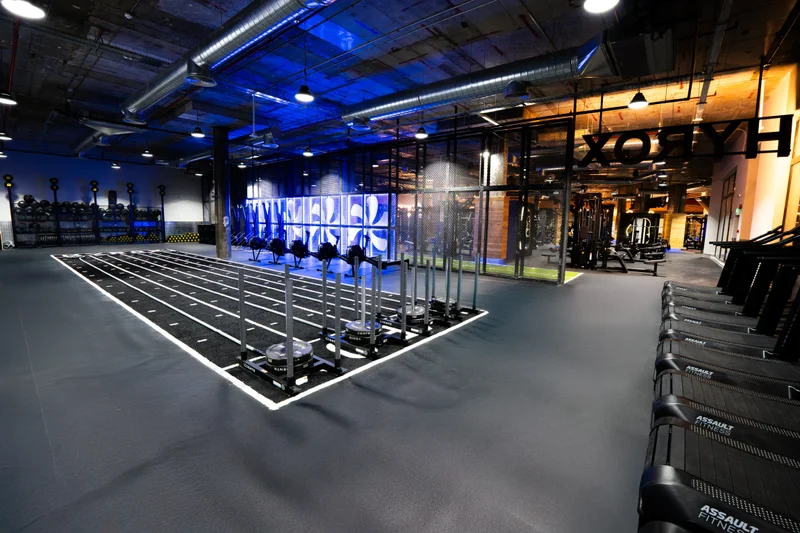
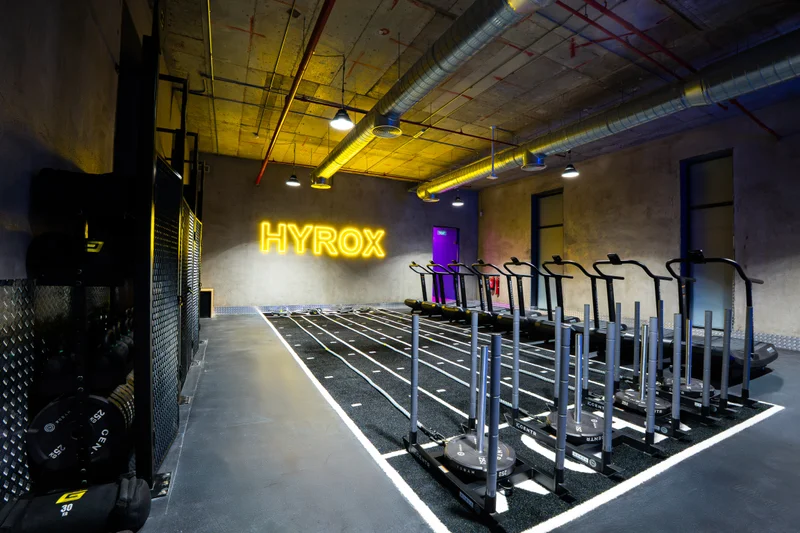
Even performance-driven formats like HYROX keep expanding, but many people are choosing to train and compete together, not in isolation.
How to use this trend: pick one weekly “community session” you can repeat. It could be a run club, a regular class time, or a training partner appointment.
If you want a format that naturally builds community while improving strength and conditioning together, try a session like CrossHiit Classes as your weekly anchor.
2) Fitness becomes an everyday activity, not a 60-minute appointment
In 2026, more people will stop treating fitness as something that only “counts” if it happens in a full gym session. Social sports and casual movement are becoming the entry point, because they’re easier to repeat.
That includes padel, football, basketball, walking meetups, and any activity that makes consistency feel normal rather than forced.
How to use this trend: set a weekly target that fits real life:
-
2 structured workouts (strength or conditioning)
-
2–3 lighter movement days (sports, long walk, easy cycle)
-
1 deliberate recovery session
This structure keeps progress moving without relying on perfect weeks.
3) Slower movement trends rise: walking yoga, mobility, and walking-based training
High-intensity training is not disappearing, but “slower” methods are gaining ground because they support longevity, stress management, and recovery.
PureGym’s annual fitness report highlighted a surge in search interest for low-impact trends, including walking yoga (+2,414%) and “Japanese walking” style interval walking.
If you want a practical version of this without getting lost in trends:
-
Add 10 minutes of mobility after workouts
-
Take one brisk walk weekly that you treat like training
-
Use breath-led movement on rest days
If you want a simple starting point for mobility and breathwork, Yoga classes fit perfectly here.
4) Tech-enabled training gets more useful (when you use it properly)
Wearables and fitness apps are now part of how many people manage training load, sleep, and stress.
ACSM’s 2026 trends coverage notes that mobile exercise apps continue to grow, citing that in 2024 more than 345 million people used fitness apps, generating 850+ million downloads worldwide.
The opportunity in 2026 is not more data. It’s better decisions:
-
Train hard when recovery is solid
-
Choose lighter sessions when sleep and stress are poor
-
Use tracking to spot patterns, not to obsess over daily numbers
5) Gyms and sports spaces evolve into “third places”
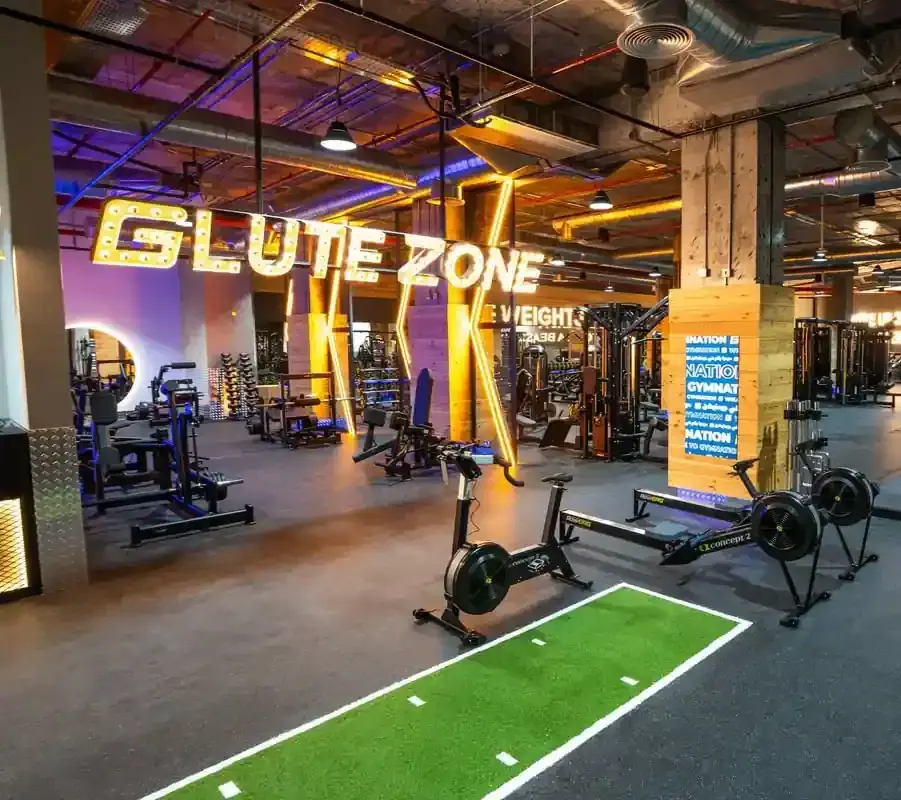
Fitness venues are becoming lifestyle hubs: somewhere between home and work where people train, socialize, and decompress. This matches the broader community trend. People want environments that make showing up easier and more enjoyable, not just rows of machines.
How to use this trend: choose training options you would still do on a low-motivation day. That is the real test of sustainability.
6) Recovery becomes part of performance, not an afterthought
Recovery is moving from “nice to have” to a real metric people track and plan. member data lists recovery activities like meditation, stretching, breathwork, ice baths, and massage therapy among the most commonly logged.
One important note: some recovery trends (especially cold exposure) are popular, but the benefits are not universal and the evidence can be mixed depending on the claim being made.
Use recovery tools as supports, not miracles.
A simple recovery target for 2026
-
Sleep consistency first
-
1 mobility or yoga session per week
-
5–10 minutes of easy movement on rest days (walk + light stretching)
Source: thegulftalk.com
The opinions shared in the blog articles are solely those of the respective authors and may not represent the perspectives of GymNation or any member of the GymNation team.
Top 5 FAQs


What are the biggest fitness trends for 2026?
Community-based training, more daily movement, growth in low-impact walking and mobility trends, expanded use of wearables/apps, and recovery-led routines.
Are running clubs actually effective for fitness?
What is walking yoga?
Do fitness trackers and apps really help?
What recovery habits matter most?
GET YOUR FREE TRIAL TODAY