













































Hatta Festival 2025 Brings Fitness and Nature Together: How to Get the Most From Outdoor Pilates

SIGN UP FOR YOUR FREE DAY PASS TODAY!
 WHATSAPP
 EMAIL
EMAIL
 SHARE VIA
Hatta Festival 2025 is leaning into a simple idea that works: when movement feels like an experience, people show up.
 Poll
PollWhat's your go-to workout time?
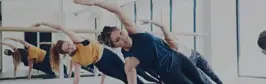
This year’s programme included outdoor Pilates sessions in scenic locations, giving visitors a chance to train for strength, flexibility, and balance while surrounded by the Hatta mountains.
According to , Brand Dubai partnered with Dubai-based fitness studio GIGI to run outdoor Pilates sessions on December 14 at Al Khattem Dam and December 26 at the Hatta Sustainable Waterfalls, led by certified trainers.
The wider Hatta Festival 2025 launched on December 5 and continues with family-friendly activities such as workshops, competitions, and entertainment.
Why outdoor Pilates works so well
Pilates is built around controlled strength, core stability, mobility, and posture. Research reviews suggest Pilates can support improvements in posture and may help with outcomes like flexibility, strength, mobility, and balance, depending on the programme and population.
Add an outdoor setting and you get a different kind of session: fewer distractions, more body awareness, and a pace that encourages consistency rather than burnout.
A smart way to “take the festival feeling” into your weekly routine
You don’t need mountain views to keep the benefits. You need a repeatable structure.
Try this simple weekly setup:
-
2 strength days (full-body or upper/lower split)
-
1 Pilates or mobility day
-
1–2 easy cardio days (walk, cycle, light jog)
-
At least 1 full rest day
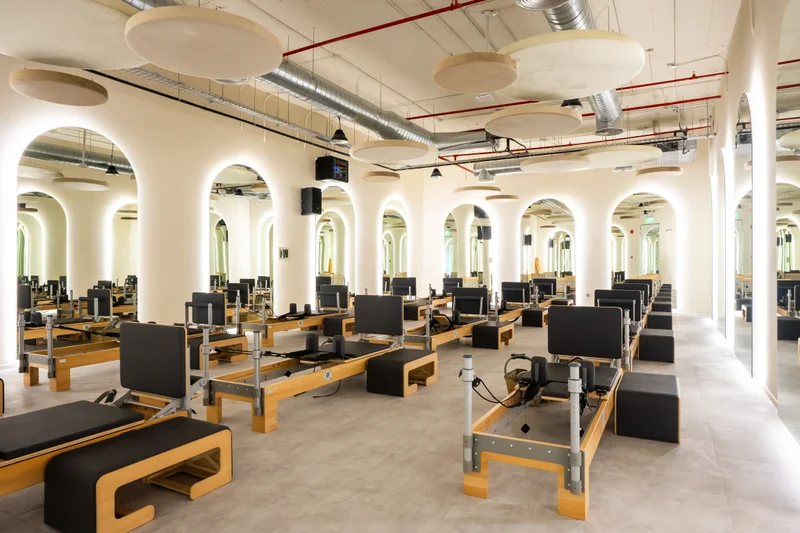
If you want Pilates-style training with coaching and progression, start with Mat Pilates classes or build more intensity with Reformer Pilates.
A 15-minute Pilates-inspired outdoor session
Use this when you’re short on time, travelling, or you want a calm but effective workout.
-
Breathing + rib control (1 minute)
Slow inhale through the nose, long exhale. Keep ribs down and neck relaxed. -
Glute bridge (2 sets x 10–12)
Pause 1 second at the top, keep the lower back neutral. -
Dead bug (2 sets x 6–10 per side)
Move slow enough that your lower back stays steady. -
Side plank (knees bent if needed) (2 sets x 20–30 seconds per side)
Think “long line” from head to hips. -
Squat to stand (slow) (2 sets x 6–8)
Use this as mobility plus control. Don’t rush the bottom position.
Outdoor training tips that keep it safe and enjoyable
-
Choose stable ground: uneven surfaces add challenge fast, especially for balance work.
-
Warm up longer than usual: outdoor sessions often start “cold,” even when it feels mild.
-
Hydrate early: don’t wait until you feel behind.
-
Scale impact: if your joints feel irritated, swap jumps for step-backs and holds.
Turn “wellbeing outdoors” into a habit, not a one-off
If you enjoyed the slower, more mindful vibe of outdoor Pilates, balance it with one weekly session that supports breathing and mobility. Yoga classes are a strong complement when you want recovery and range of motion without losing the training rhythm.
Source: gulfnews.com
The opinions shared in the blog articles are solely those of the respective authors and may not represent the perspectives of GymNation or any member of the GymNation team.
Top 5 FAQs


What is Hatta Festival 2025?
Where were the outdoor Pilates sessions held?
What are the benefits of Pilates?
Is outdoor exercise better than indoor exercise?
It depends on your preference and consistency. Some research explores potential added psychological benefits outdoors, but the best option is the one you’ll do regularly.
How often should I do Pilates each week?
A realistic starting point is 1–3 sessions per week, paired with strength training and light cardio, then adjust based on recovery and goals.
GET YOUR FREE TRIAL TODAY