













































How to Build a Home Gym Your Whole Family Actually Wants to Use

SIGN UP FOR YOUR FREE DAY PASS TODAY!
 WHATSAPP
 EMAIL
EMAIL
 SHARE VIA
A lot of people dream about a garage or spare-room gym that feels like a private sanctuary. The reality, especially if you have kids, is that locking yourself away to lift can feel more selfish than satisfying.
That was the dilemma facing Men’s Health editor-in-chief Richard Dorment. He wanted serious strength training at home, but he also wanted his wife and three kids to feel welcome in the space.
The turning point came when his 12-year-old daughter asked how she could build muscle. Instead of creating a solo iron paradise, he decided to design a family gym built for everyone in the house.
Working with Men’s Health fitness director Eb Samuel, he turned one room into a shared training zone focused on strength, smart tech coaching and a motivating vibe.
This guide breaks down the key ideas so you can apply the same blueprint to your own home gym, whatever your budget or floor plan.
1. Start with a family-first brief
Before you think about racks and dumbbells, get clear on who the gym is really for. In Dorment’s case, the goal was:
-
A space his wife, three kids and he could all share.
-
Training that prioritised strength work over indoor cardio, since he prefers to run and ride outside.
-
Equipment that teaches good movement patterns to beginners instead of just helping experienced lifters chase PRs.
Ask yourself:
-
Who needs to feel comfortable training here?
-
How old are they and what’s their experience level?
-
What do they actually enjoy: heavy lifting, guided workouts, or short circuits?
The clearer your answers, the easier it is to choose the right home gym equipment and skip the expensive gadgets you will never use.
2. Anchor the room with one versatile strength hub
Dorment was wary of “28-in-1” machines that promise to replace an entire gym and end up doing nothing particularly well. His solution was a single, high-quality strength setup that acts as the anchor of the room: the Ares 2.0 from REP Fitness.
What the Ares 2.0 does
The Ares 2.0 packs several commercial-gym staples into one footprint:
-
A full free-weight rack for squats, presses and other barbell basics.
-
A sturdy pull-up bar.
-
A dual-cable system for rows, face pulls, presses and rotational work.
The cables glide smoothly, which makes it easier for kids and newer lifters to learn good technique without the jerky feel of cheaper stacks.
The safety systems on the rack are intuitive, so his teenage son can squat with light loads without dad hovering over every rep.
Takeaway for your home:
You don’t need this exact rack, but you will benefit from a single, rock-solid strength station that:
-
Lets you push, pull, squat and hinge with barbells and cables.
-
Feels stable enough that beginners are not afraid to use it.
-
Can grow with the family as everyone gets stronger.
3. Use smart tech to coach kids and beginners
Adults can usually follow a written program. Kids and newer lifters often need more structure, feedback and novelty to stay engaged. To solve that, Dorment added a Tonal 2.0 on one wall as the “movement teacher” of the gym.
Why Tonal 2.0 works in a family gym
-
Digital weight that scales up: The new generation offers up to 250 pounds of resistance (up from 200), so it still challenges strong adults.
-
Smart View camera: Tracks form so you can see if your squat or row is drifting off, and get cues to fix it.
-
Huge workout library: His kids learn basic pushing and pulling patterns from Tonal’s coaching videos, while he uses dedicated programs to refine his squat mechanics and work on Pilates on lighter days.
For a family, this ticks several boxes at once: it’s guided, engaging, and it nudges everyone toward solid technique instead of “just lifting heavier.”
If Tonal isn’t in your budget, look for:
-
A smart trainer or app that offers structured programs for different levels.
-
Clear visual demos, so kids can copy movement patterns safely.
-
Built-in progression, so beginners can see they are improving.
4. Round out the space with simple, reliable tools
Once the big strength pieces were in place, Dorment only needed a handful of extras to cover most training needs:
-
REP Fitness dumbbells and kettlebells, both adjustable and traditional, for presses, rows, carries and single-leg work.
-
A TRX suspension system for bodyweight rows, flyes, core moves and low-impact options for the kids.
-
Black bumper plates and a Nighthawk adjustable bench from REP to support barbell work at different angles.
-
Medicine balls for throws, slams and warm-up games that make strength training feel less intimidating for younger family members.
You can assemble your own version with:
-
A small set of dumbbells that match your current strength levels.
-
At least one adjustable bench.
-
A suspension trainer to maximise a small footprint.
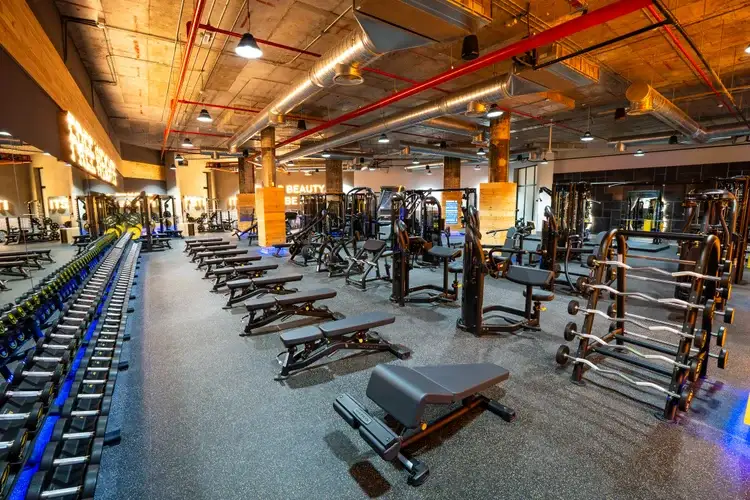
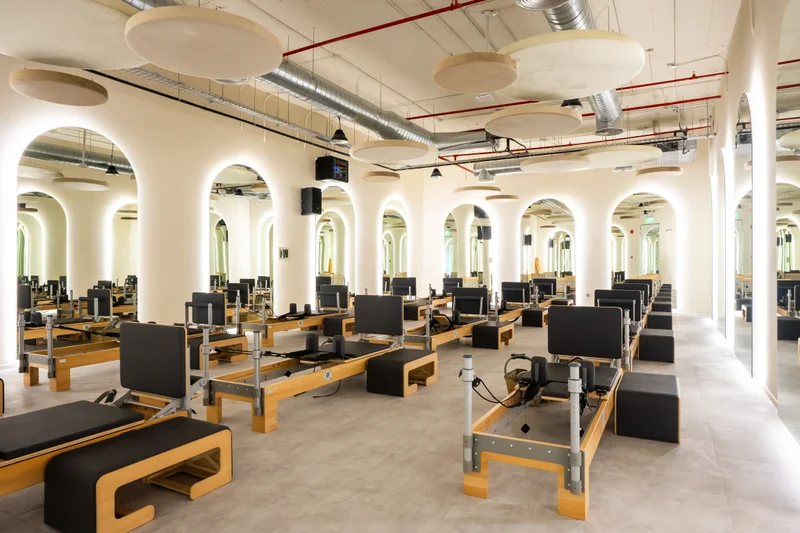
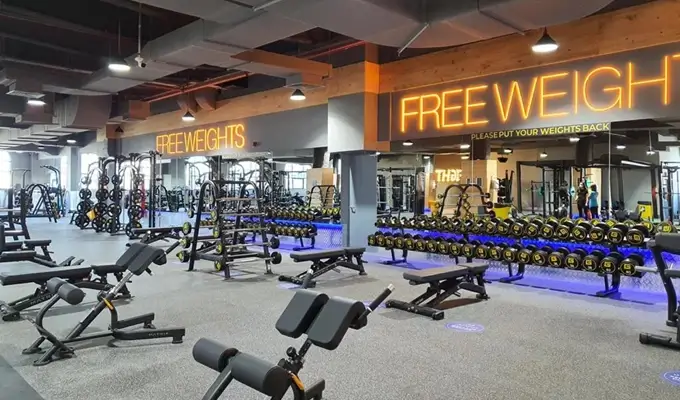
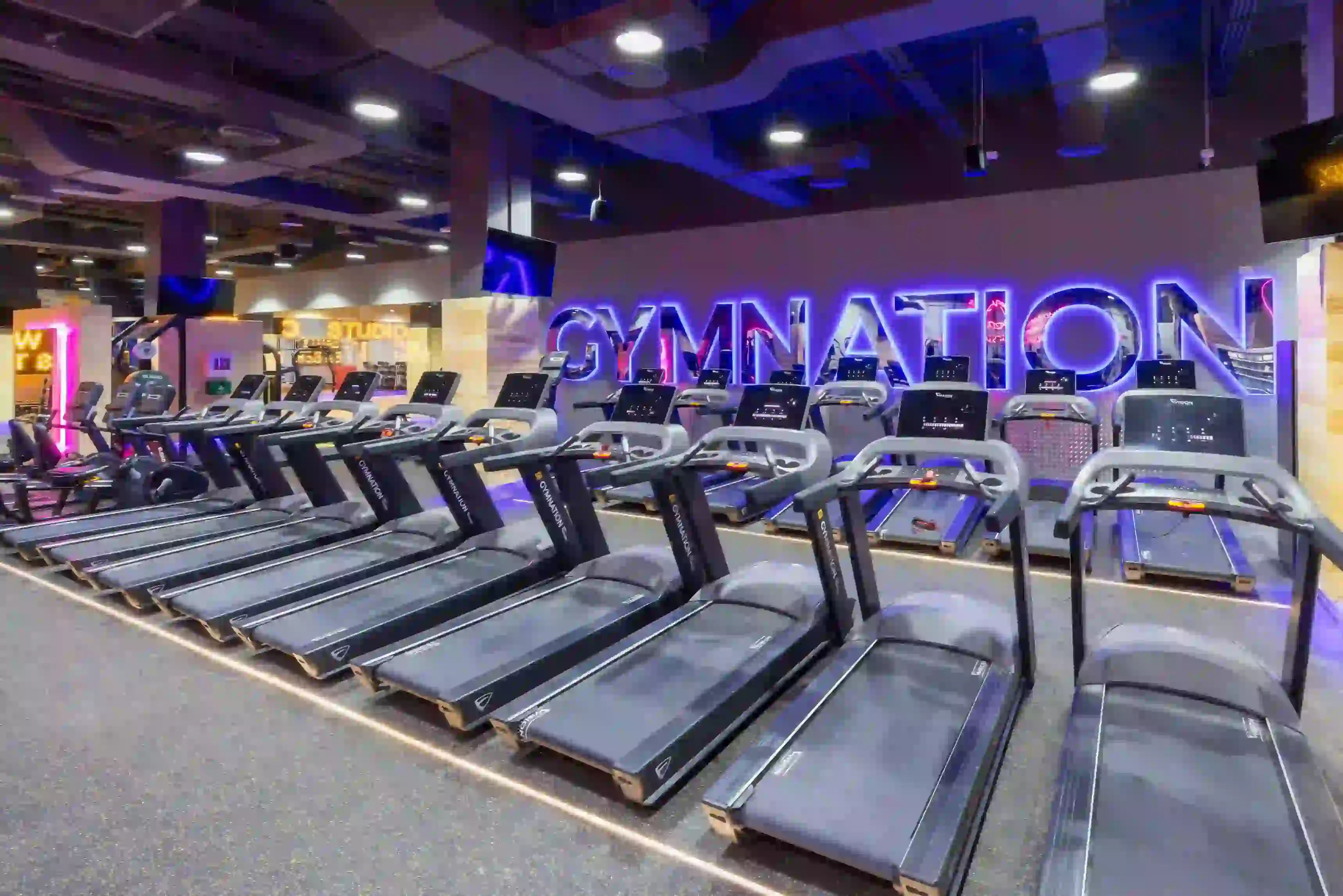
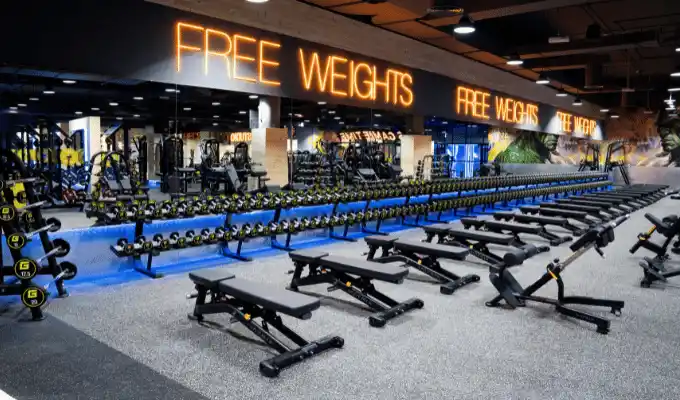
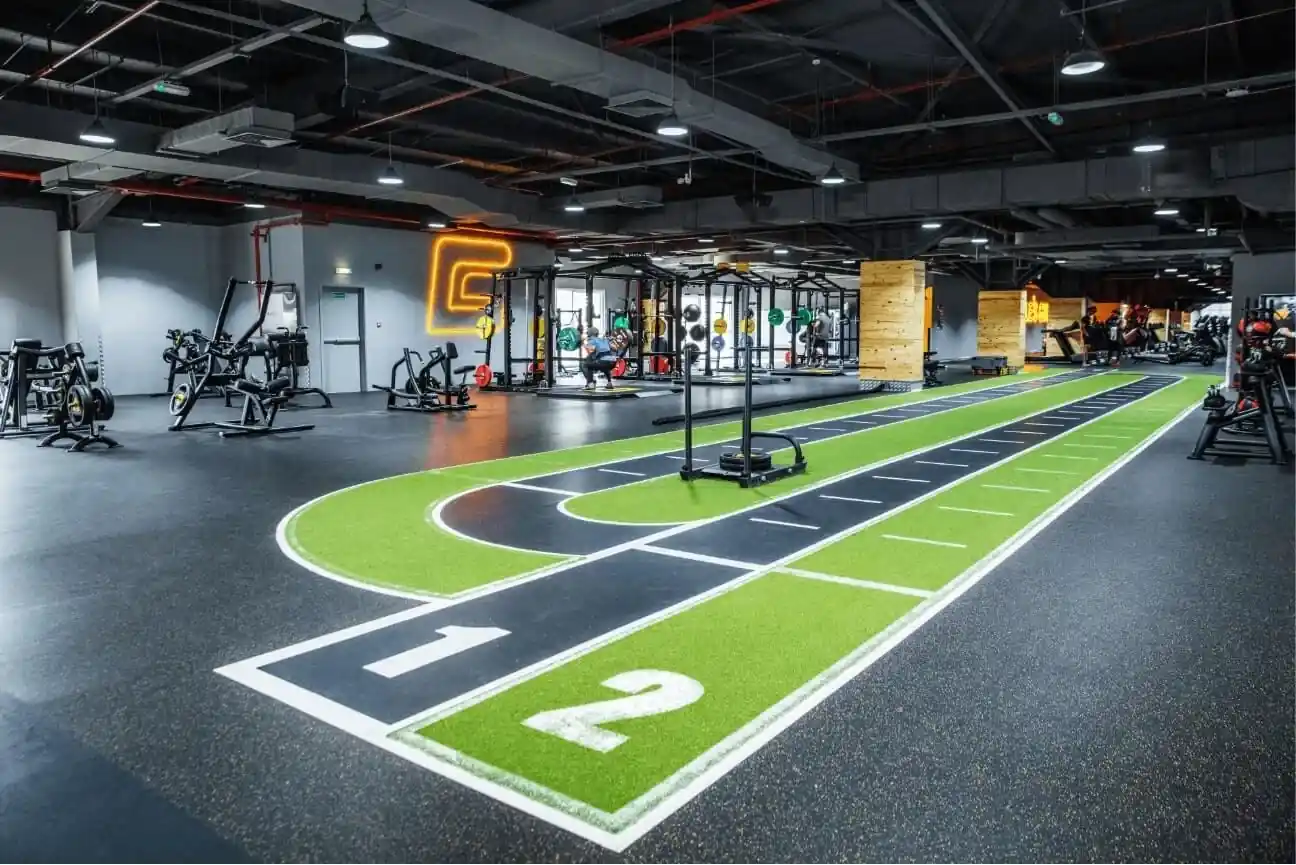
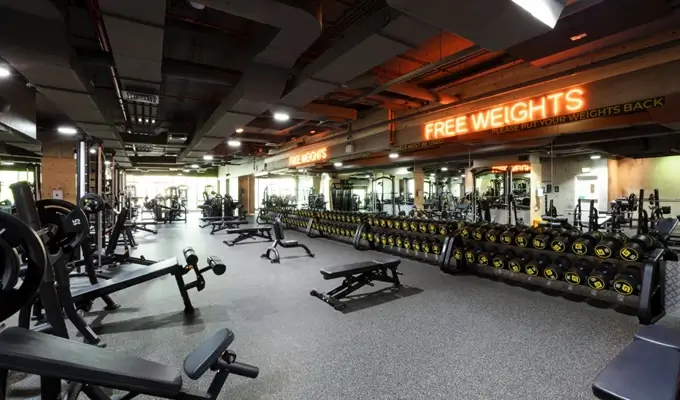
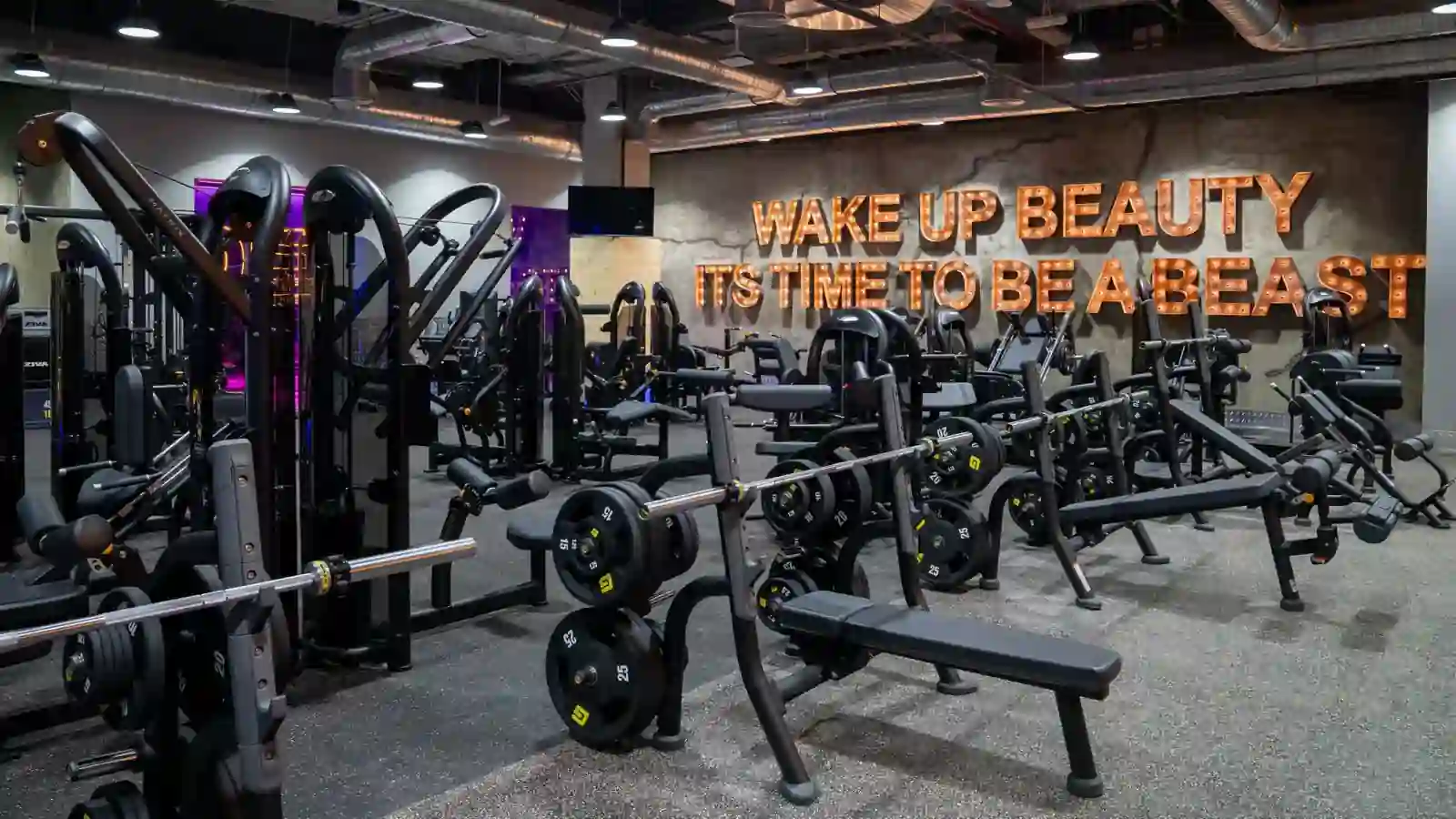
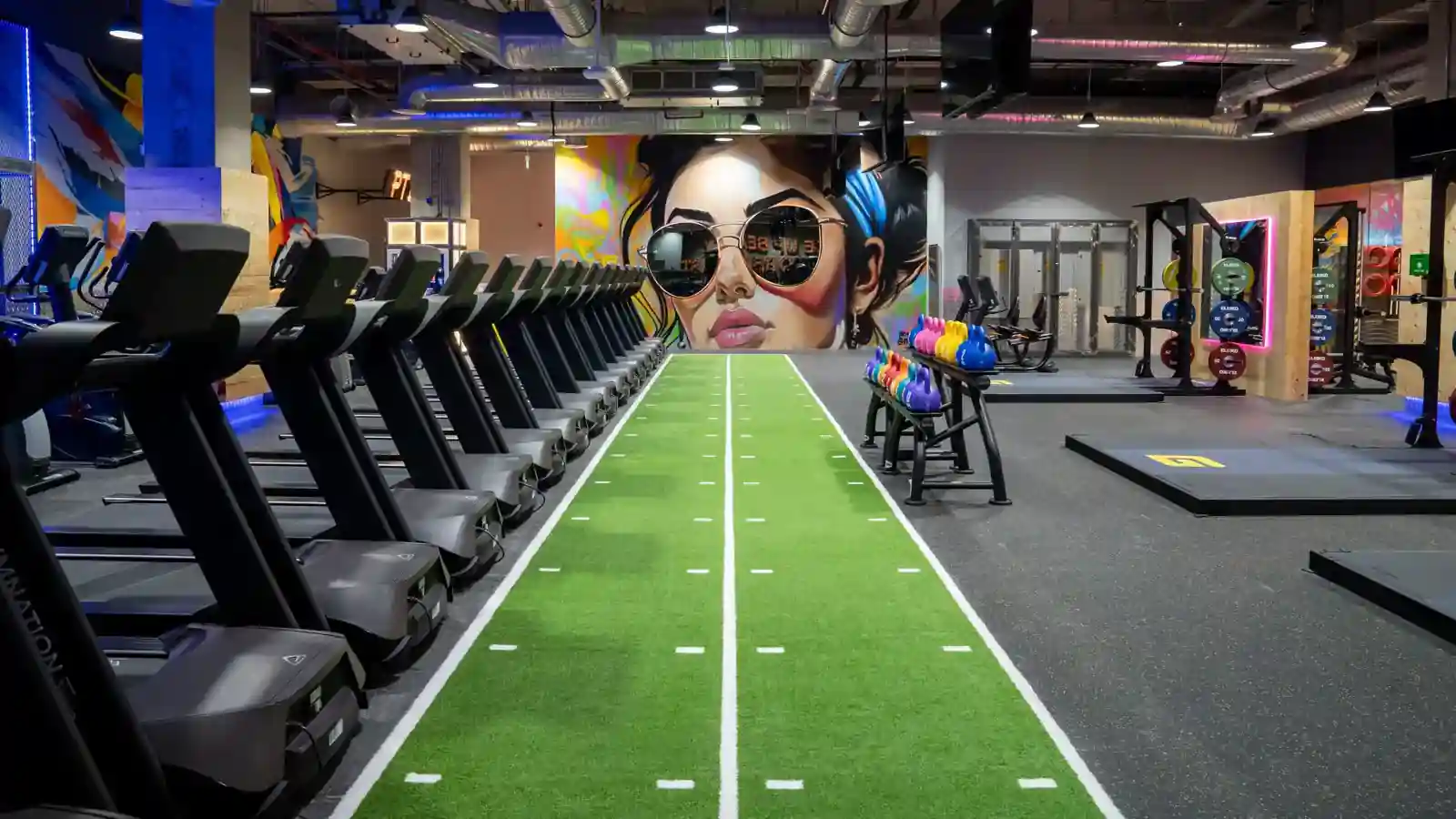
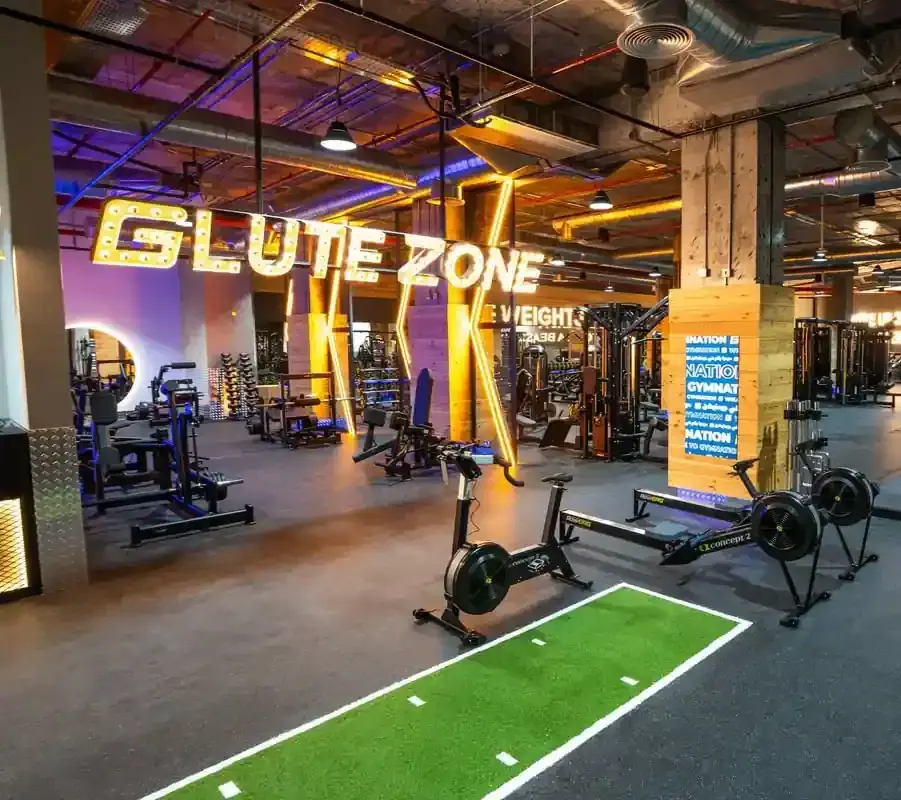
If you like training around others or want access to heavier loads and specialty machines, combine your home setup with sessions at a full facility such as GymNation gyms across the UAE. That way the home gym handles everyday consistency, and the club handles bigger strength goals.
5. Design a vibe people want to walk into
Function is only half the job. If the room feels like a basement storage closet, no one will choose it over the sofa. Dorment turned his gym into a genuinely energising environment with a few smart design choices.
Statement walls and colour
The standout feature is “Ali-Water” wallpaper from Flavor Paper, built around Andy Warhol’s portrait of Muhammad Ali, one of his heroes. The bold pattern alternates with solid cobalt-blue walls, so the space feels like stepping into focused energy instead of a gray box.
Sound and storage
-
A Sonos Era 300 speaker pumps out the family playlist on weekend sessions, which keeps energy high and makes the gym feel more like a shared hangout than a silent lab.
-
A modular storage system from REP Fitness keeps plates, dumbbells and accessories organised, which matters for safety and for keeping the room visually calm.
Think about:
-
One bold visual anchor (art, wallpaper or a mural) that means something to your family.
-
A sound system that makes it easy to cue up playlists without fiddling with cables.
-
Closed or modular storage so gear has a clear home and the floor stays clear.
6. How the family actually uses the gym
On a typical weekend, some mix of the family drifts into the room. Someone fires up a shared playlist, another starts a Tonal session, someone else warms up with med balls or TRX rows.
Sometimes they train together. Sometimes they do entirely different programs in the same space. Either way, they are in the room, moving, talking and learning that lifting is normal, not something dad disappears to do alone. That is the real win of a family home gym.
7. How to adapt this blueprint for your own home gym
You do not need the exact same brands, square footage or budget to copy the principles behind this setup. Use these steps as a checklist:
-
Define the mission
-
Who will use the space, and what are their main goals?
-
Are you building a strength-first gym, a conditioning zone, or both?
-
-
Choose one primary strength station
-
A power rack with cables, a compact multi-trainer or even a half rack with a pull-up bar can be the backbone of the room.
-
-
Layer in coaching for newer lifters
-
If you have kids or beginners, consider a smart trainer, subscription app or remote coaching to guide them through form and progression.
-
-
Keep the accessory list short and useful
-
Dumbbells, kettlebells, a bench, suspension trainer and med balls cover a huge amount of training without clutter.
-
-
Invest in atmosphere
-
Paint, art, lighting, music and storage will decide whether people want to be there.
-
-
Blend home training with a gym membership
-
Use your home gym for flexibility on busy days, then hit a full facility like GymNation membership options for heavy lifts, machines and group classes that push you further.
-
Source: menshealth.com
The opinions shared in the blog articles are solely those of the respective authors and may not represent the perspectives of GymNation or any member of the GymNation team.
Top 5 FAQs about building a family home gym


How big does a family home gym need to be?
You can build a functional family home gym in a single spare room or a section of a garage. Prioritise one main strength station, a bench and a small storage wall, then add tools like a TRX and adjustable dumbbells that work in tight spaces. The key is clear floor space and safe walkways, not a huge footprint.
Is heavy strength training safe for kids and teenagers?
When movements are taught correctly, loads are progressed gradually and an adult supervises, resistance training is considered safe and beneficial for kids and teens. Focus on learning patterns such as squats, hinges, pushes and pulls with lighter resistance first, then slowly increase difficulty. Smart systems with built-in coaching can help reinforce good technique, but they never replace supervision.
Do I need expensive machines like Ares or Tonal to copy this setup?
No. Those systems are premium examples of a bigger idea: anchor the room with one versatile strength hub and add some kind of coaching support for newer lifters. You can replicate the concept with a half rack, cable attachment, basic barbell set and a budget-friendly app or online program.
How do I keep a family gym from turning into a cluttered storage room?
Plan storage from day one. Use a rack, shelving or a modular system for plates, dumbbells and kettlebells. Keep med balls and bands in dedicated bins. Limit yourself to equipment that fits your training plan instead of buying every trending gadget. A clean, organised room feels more inviting and safer for kids.
How often should a family aim to use the home gym?
Aim for consistency, not perfection. Many families do well with two to four sessions per week per person, even if those sessions are only 20–30 minutes. Adults might follow structured strength programs, while kids dip into shorter, coached sessions. You can top this up with gym-based training, classes and outdoor cardio to keep things fun and sustainable.
GET YOUR FREE TRIAL TODAY