














































How to Choose the Best Gym Shoes for Your Training Style

SIGN UP FOR YOUR FREE DAY PASS TODAY!
 WHATSAPP
 EMAIL
EMAIL
 SHARE VIA
The difference between a “fine” session and a strong one often starts at the ground. If your shoes are too soft, too unstable, or just the wrong shape for your foot, you leak power and your technique gets harder to repeat.
 Poll
PollWhat's your go-to workout time?
Men’s Health experts Dr. Pat Davidson and Ebenezer Samuel (C.S.C.S.) break it down simply: pick shoes based on the lifts you do most, then test the shoe like equipment, not fashion.
Start with one rule: stability beats cushioning for lifting
Running shoes are built to absorb impact. Heavy lifting is about producing force into the floor. For strength work, a firm, non-squishy base usually wins because it helps you feel planted and consistent rep to rep.
Match your shoe to the lift
If you want to squat better, consider a raised heel
For squats and Olympic-style lifts, Davidson calls heel elevation a useful “hack” because it helps you reach positions with a more upright torso and stable base. Weightlifting shoes do this with a built-in heel wedge and solid construction, often with straps for a tighter lockdown.
When this helps most:
-
You struggle to stay upright in squats
-
Your ankles feel like the limiting factor at depth
-
You want a very stable platform under load
If you deadlift heavy, go flatter and closer to the floor
For deadlifts and hinge-focused training, Samuel’s cue is about driving the heel into the ground and creating force. That typically means a flatter, minimal, firm sole so you are not losing leverage to compression.
Options many lifters use:
-
Flat cross-trainers with a firm sole
-
Minimalist shoes (Samuel mentions Vivobarefoot)
-
Barefoot (only if allowed and safe for your gym environment)
There’s also some research comparing deadlifts barefoot vs. with shoes and its effects on balance and postural control, which supports the idea that footwear can meaningfully change how you move under load.
HIIT and mixed training need lateral support
If your training includes jumps, quick direction changes, sled work, and circuits, you want a shoe that feels stable side-to-side, grips well, and still has enough comfort for repeated impact. A “do-everything” trainer will not feel like a pure lifting shoe, but it should not feel like a pillow either.
When does footwear not matter much?
For upper-body focused work like bench pressing or many machines, Samuel and Davidson don’t see a specific shoe giving a meaningful performance boost. Prioritize comfort and stability.
Two quick tests to avoid “junk” shoes
Davidson’s go-to checks are practical and fast:
-
Crush test (heel): Squeeze the heel with your fingers. If it collapses easily, it may not offer the support you need for heavy training.
-
Bend test (sole): Bend the shoe. Ideally, it flexes mainly at the ball of the foot, not folding like a soft taco through the middle.
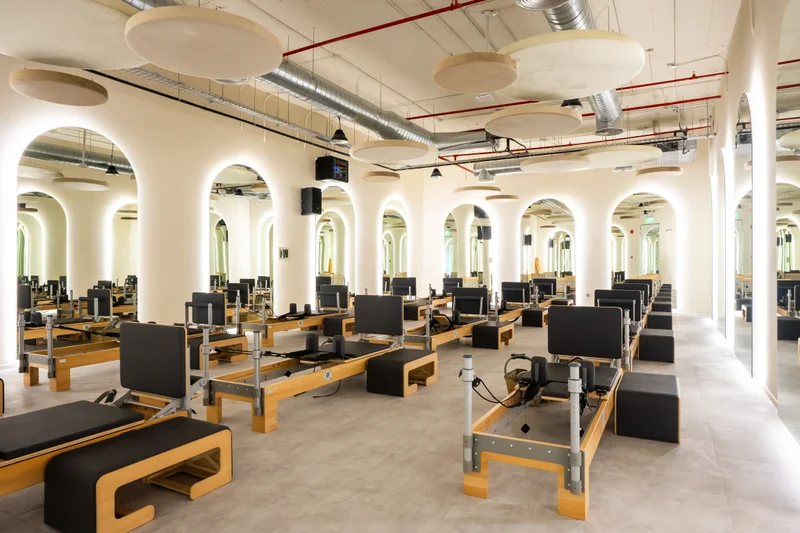
For a low-impact way to build strength, posture, and control, Mat Pilates classes are another strong fit alongside core work.
Fit matters more than most people admit
Foot shape narrows your choices. Davidson mentions needing a wider toe box and prefers certain models for that reason, while Samuel likes the Nike Free Metcon for stability and a solid heel. Use that as the bigger lesson: if your toes cannot spread comfortably, your “stable base” is already compromised.
Simple fit checklist:
-
Toes can wiggle freely
-
Heel feels locked in without painful pressure
-
No side-to-side sliding on lateral movements
Source: menshealth.com
The opinions shared in the blog articles are solely those of the respective authors and may not represent the perspectives of GymNation or any member of the GymNation team.
Top 5 FAQs


What are the best gym shoes for squats?
If ankle mobility or upright positioning is a challenge, a raised-heel weightlifting shoe can help you squat more comfortably and consistently.
What are the best gym shoes for deadlifts?
Are running shoes bad for lifting?
They are not “bad,” but thick, soft cushioning can reduce stability for heavy lifting. For strength days, firmer shoes usually feel better under load.
Should I lift barefoot?
Some people like the ground feel, but gym rules and safety matter. If barefoot lifting is allowed, do it in a controlled area and watch for slipping or foot exposure risks.
How do I know if a shoe is stable enough?
GET YOUR FREE TRIAL TODAY