

























































Malaysia’s Favourite Exercises: Why Walking, Running, and Strength Training Lead the Way

SIGN UP FOR YOUR FREE DAY PASS TODAY!
 WHATSAPP
 EMAIL
EMAIL
 SHARE VIA
Walking is still the most common way Malaysians stay active, and running sits right behind it. That is not surprising. Both are simple, low-cost, and easy to fit into a busy day.
What is changing is what comes next. Strength training is climbing quickly, especially among women, and more people are mixing cardio with resistance work instead of choosing just one style of training.
This article breaks down what the latest wearable data suggests, and how you can use it to build a healthier, more balanced routine.
 Poll
PollWhat do you value most in your gym experience?
What Malaysians chose most often in 2025
According to the 2025 Garmin Connect Data Report, daily walking and running were Malaysia’s two most popular logged activities last year, based on millions of wearable-tracked sessions globally.
Globally, the top five activities by total volume were:
-
Outdoor running
-
Walking
-
Cycling
-
Strength training
-
Indoor cardio workouts (machines, dance-based sessions, HIIT-style workouts)
The bigger takeaway is the shift toward variety. People are not only chasing steps or distance. They are spreading effort across cardio, strength, and social forms of exercise.
The rise of strength training in Asia
In the Asia region, strength training grew 27% and moved ahead of cycling for the first time, pushing resistance work into the top three.
Globally, strength training also continued to grow strongly year-on-year.
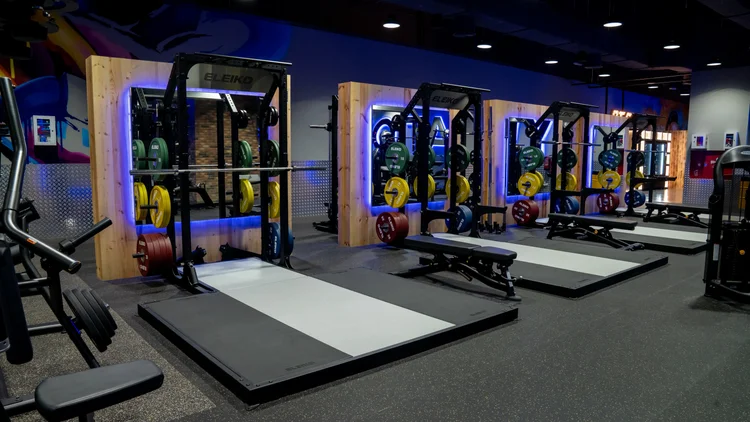
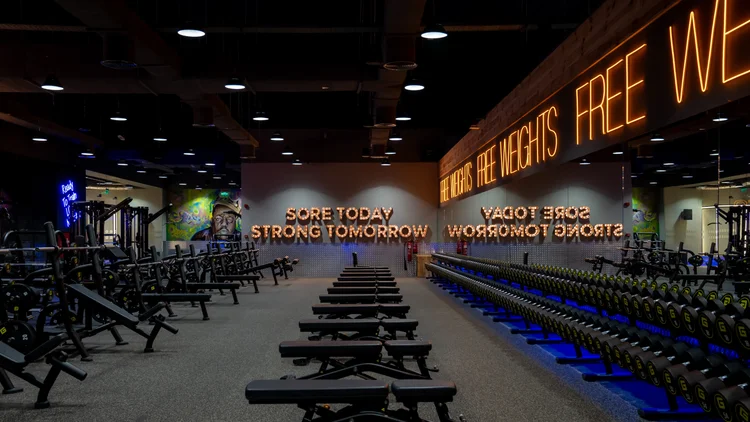
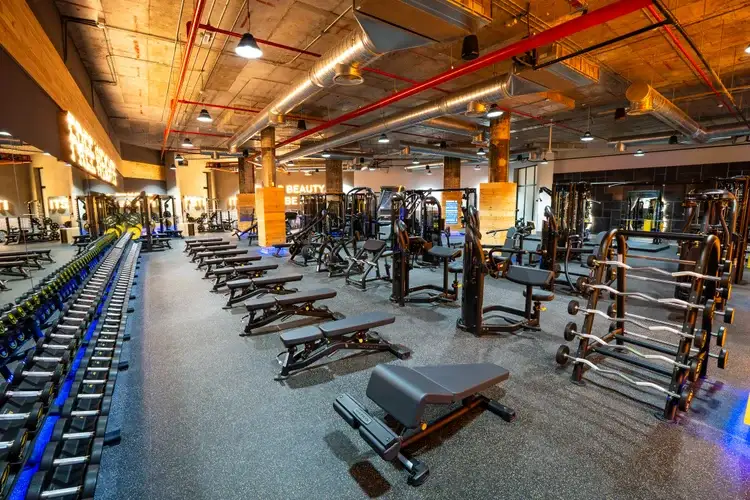
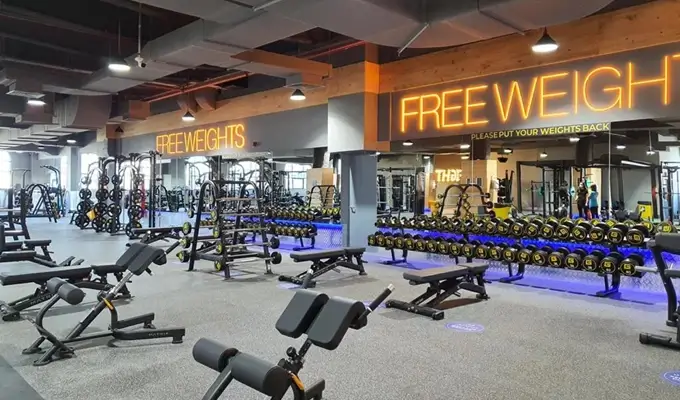
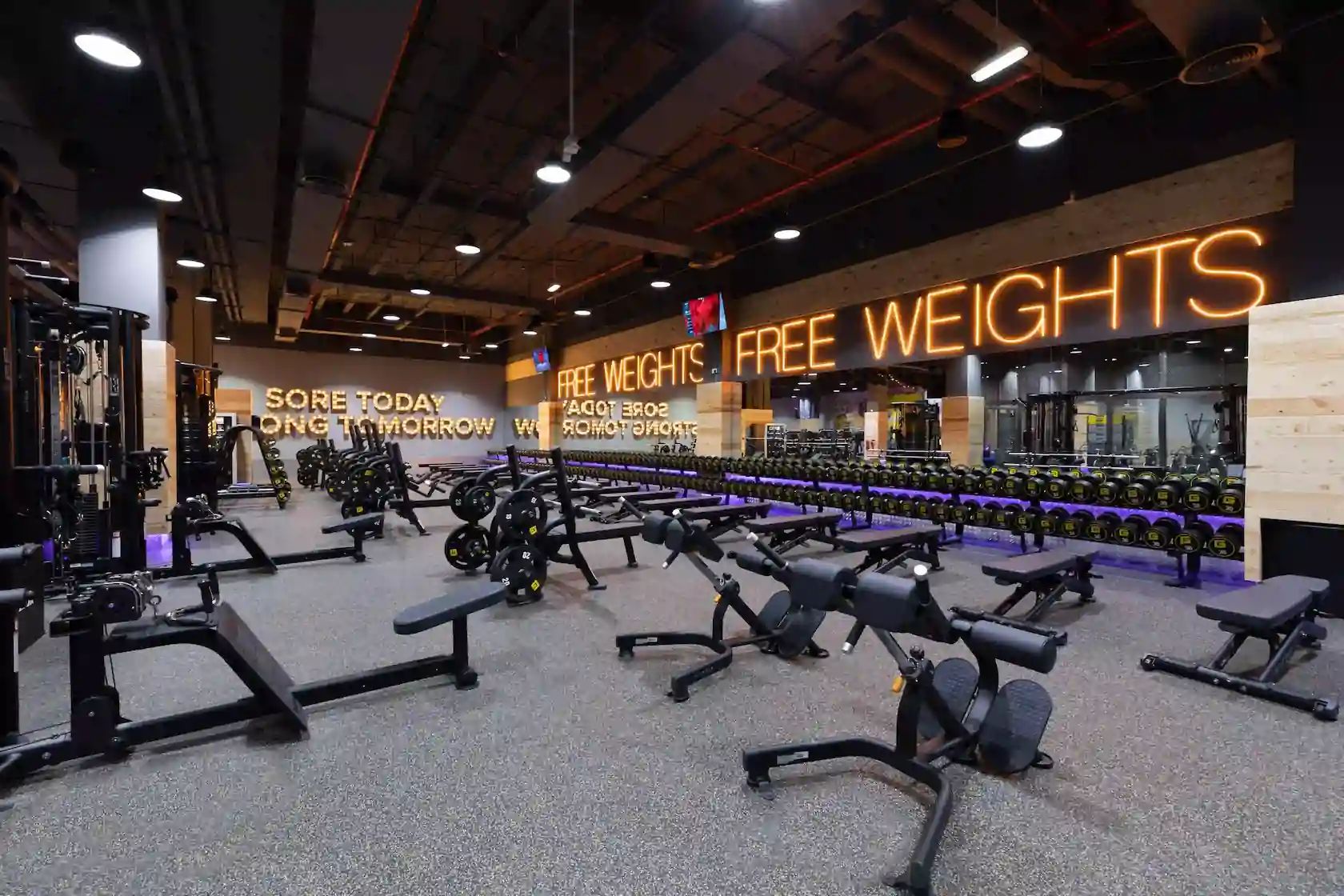
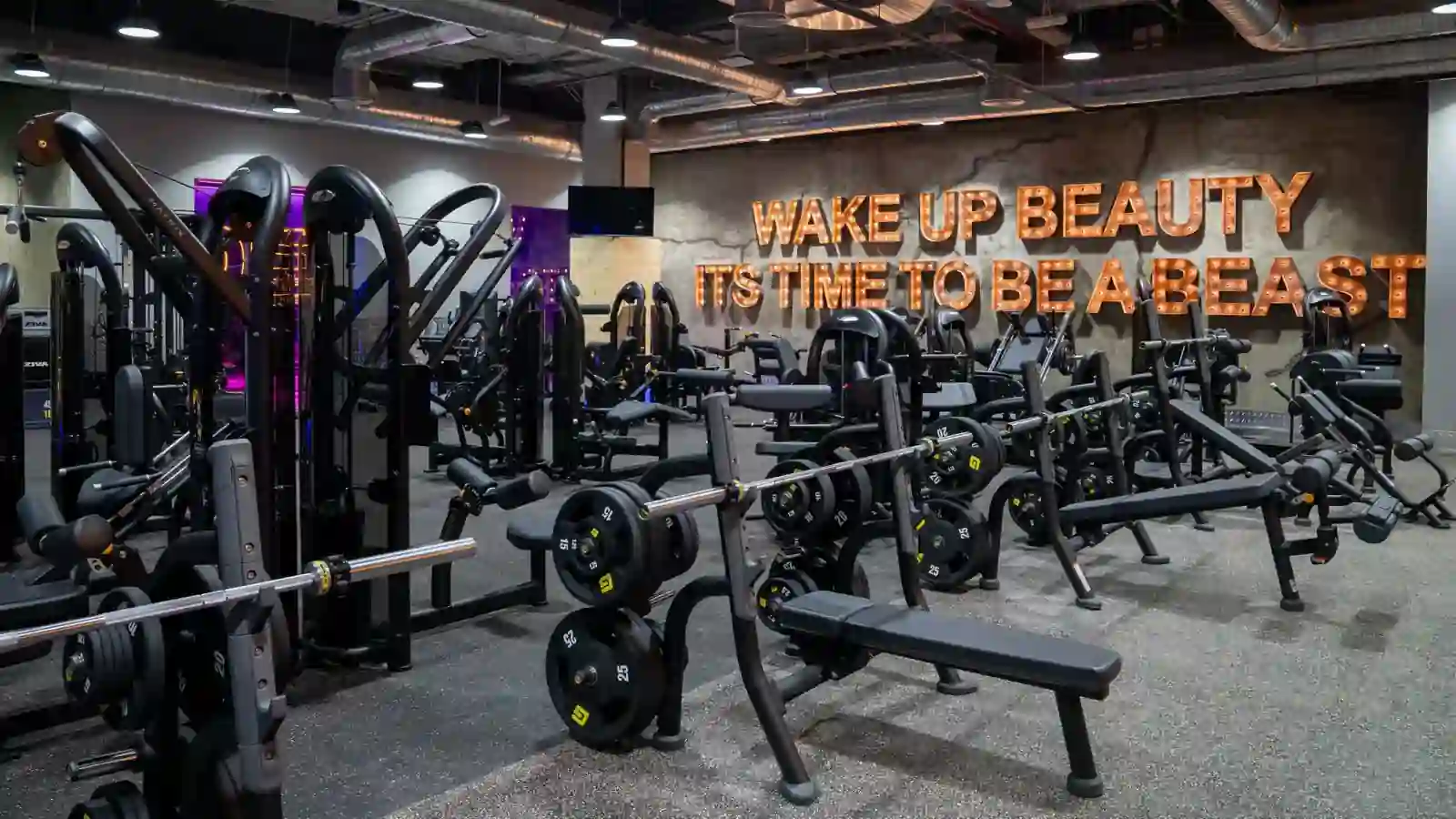
If your routine has been mostly walking or running, this is the nudge to add at least 2 strength sessions a week. Stronger muscles help you move better, support joints, and make cardio feel easier over time.
If you want a coached, progressive approach, Strength Development classes can be a practical starting point.
What workout duration patterns tell us
The same dataset suggests clear differences in how people train:
-
Many recorded runs land in the 30–45 minute range.
-
Walks are often 15–30 minutes.
-
Cycling sessions skew longer, with many lasting an hour or more.
Translation: walking and running tend to be “daily habit” workouts, while cycling often becomes a longer session people plan around.
Step counts: is 10,000 really the goal?
The 10,000-step target is popular, but research suggests meaningful health benefits show up well before that.
A major 2025 review reported clinically meaningful improvements around 7,000 steps per day, with some outcomes showing a plateau after that point.
A simple, realistic approach:
-
Aim for 7,000 to 8,000 steps/day if you are building consistency.
-
If you are 60+, 6,000 to 8,000 can be a strong target range, depending on your fitness and mobility.
How to turn walking into running without hating it
If you want to “level up” from walking, the smartest move is not sprinting. It is short jog segments added to your normal walk.
Try this 3 times per week:
-
Warm up with 5–10 minutes of easy walking
-
Alternate:
-
Brisk walk 2–3 minutes
-
Very slow jog 20–40 seconds (or 100–200 steps)
-
-
Repeat for 15–25 minutes
-
Cool down with 5 minutes easy walking
Your slow jog can be slower than a brisk walk at first. That is normal. Keep it comfortable, then build time jogging gradually.
Why Pilates keeps showing up in the data
Pilates growth is another signal that people want training that improves control, posture, and core strength, not just calorie burn.
If running feels “heavy” on your body, Pilates-style training can help you move with better alignment and stability.
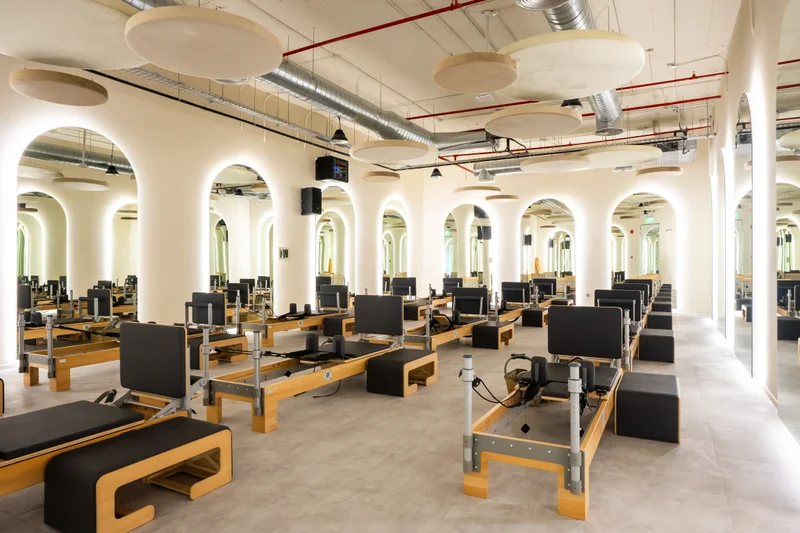
A simple add-on is Mat Pilates classes.
Exercise preferences shift with age
The report also highlights that different age groups tend to gravitate toward different training styles:
-
18–29: more running (outdoors and track)
-
30–39: more indoor training, including strength and treadmill work
-
40–49: more trail running
-
50–59: more indoor cycling, lap swimming, mountain biking
-
60–69: more outdoor cycling, plus walking and hiking
-
70+: more golf-style low-impact movement
The pattern makes sense: as responsibilities, recovery needs, and joint tolerance change, people choose activities they can sustain.
Stress and training consistency
One interesting note from the Garmin data: women reported slightly lower stress than men. That may not match what many broader stress studies often show, but it still supports a practical point: consistent exercise is one of the strongest lifestyle levers for improving how you feel day to day.
The simplest “balanced week” you can copy
If you want a routine that matches the direction the data is pointing, use this template:
-
2 to 4 days: walking or running (15–45 minutes)
-
2 days: strength training (full body)
-
1 day: mobility or Pilates-style work
-
Optional: 1 short HIIT session if recovery is good
You do not need extreme workouts. You need repeatable ones.
Source: thestar.com.my
The opinions shared in the blog articles are solely those of the respective authors and may not represent the perspectives of GymNation or any member of the GymNation team.
Top 5 FAQs about Malaysia’s Favourite Exercises


What is the best exercise for most Malaysians to start with?
Walking. It is low-impact, easy to repeat, and builds a base for almost any other training.
How many steps a day should I aim for?
A practical target is 7,000–8,000 steps for many adults, with strong benefits shown around 7,000.
How often should I strength train if I mainly walk or run?
Start with 2 full-body sessions per week. That is enough to improve strength and support better cardio performance.
How do I start jogging if I can only walk right now?
Use walk-jog intervals: brisk walk for a few minutes, then a very short, slow jog. Build gradually.
Is Pilates worth adding if my goal is fitness and health?
Yes. It can improve core control, posture, and movement quality, which supports better training long term.
GET YOUR FREE TRIAL TODAY