






































NapTime Hits the Streets: When Rest Became the Main Event

SIGN UP FOR YOUR FREE DAY PASS TODAY!
 WHATSAPP
 EMAIL
EMAIL
 SHARE VIA
GymNation has taken its NapTime concept beyond the studio with a “sleeping billboard” installation in Dubai.
The format is exactly what it sounds like: a full-size bed built into a billboard structure, complete with duvet and pillows, with people invited to take a real nap in public.
It’s playful, but the message is direct: recovery is part of training, not a reward you earn after burning out.
 Poll
PollWhat's your go-to workout time?
What NapTime is (and what it is not)
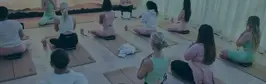
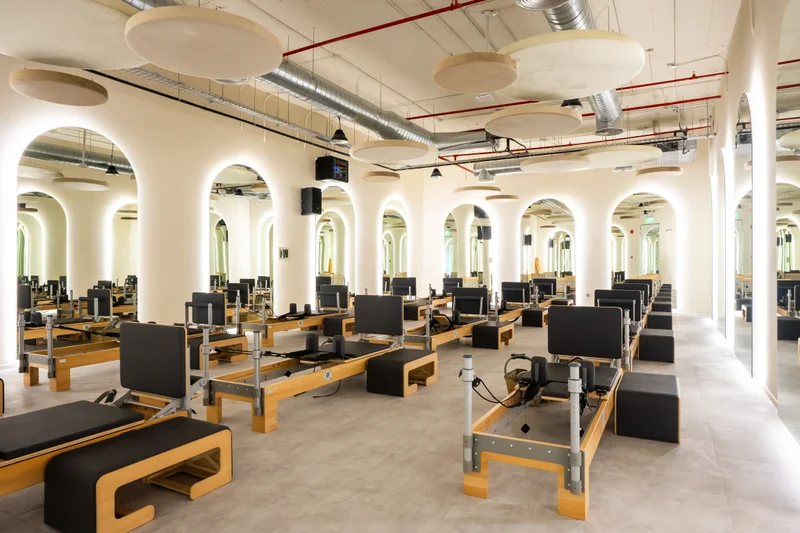
NapTime was introduced as a gym class designed to help people fall asleep, built around downshifting rather than pushing harder. The session blends gentle yoga stretching, breathwork, meditation, and live handpan music before guiding participants into a curated nap environment.
A key detail is the phone-free setup. Participants place their phones into a secure box before the session starts, creating a clear boundary between constant stimulation and genuine rest.
Why recovery and sleep now sit at the centre of fitness
If you train consistently, adaptation happens during recovery. Sleep is one of the biggest levers because it supports physical restoration and decision-making, and poor sleep can drag performance and increase risk over time. Public health guidance commonly recommends at least 7 hours of sleep per night for adults.
That’s why the wider industry conversation has shifted toward sleep optimisation, nervous system regulation, and recovery routines that match the intensity of modern life.
The “switch off” skills that make rest actually work
You do not need a perfect nightly routine to get value from recovery. You need repeatable habits that tell your body it’s safe to slow down.
Practical starting points:
-
Create a short buffer between screens and sleep. Even 30 minutes helps many people reduce bedtime stimulation.
-
Use slow, controlled breathing as a simple way to calm the system. Research reviews link slow breathing techniques with measurable shifts in autonomic activity and heart rate variability.
-
Keep “easy days” easy. A recovery session should leave you feeling better, not more depleted.
If you want coached sessions that build these skills, Breathing Yoga classes are a strong match for breath-led downshifting.
For an even calmer option, Sound Healing classes can support deliberate relaxation as part of a balanced training week.
What the campaign says about GymNation’s direction
Demand for NapTime has climbed since launch, with sessions filling up and additional classes being added to meet interest, including at GymNation Downtown.
The headline takeaway is bigger than one activation: in a fitness culture that often glorifies intensity, the brand is making a simple point visible at street level. Sometimes the smartest move is to recover.
Source: campaignme.com
The opinions shared in the blog articles are solely those of the respective authors and may not represent the perspectives of GymNation or any member of the GymNation team.
Top 5 FAQs about NapTime Hits the Streets


What is the NapTime sleep class?
NapTime is a GymNation class designed to help people fall asleep by combining gentle stretching, breathwork, meditation, live music, and a guided nap setup.
What is the “sleeping billboard” campaign?
It’s an outdoor installation in Dubai featuring a real bed built into a billboard, inviting people to demonstrate intentional rest in public.
Why is the class phone-free?
Phones are stored in a secure box before the session to reduce stimulation and help participants properly switch off.
Is recovery training, or just time off?
Recovery is part of training. Sleep and intentional rest support how your body adapts to workouts and how you perform day to day.
What are simple ways to improve sleep quality?
Start with consistent sleep and wake times, reduce late-night screen exposure, and use calming practices like slow breathing to help the body settle.
GET YOUR FREE TRIAL TODAY