
















































Saudi Arabia’s Fitness Sector Is Accelerating: What’s Driving the Boom

SIGN UP FOR YOUR FREE DAY PASS TODAY!
 WHATSAPP
 EMAIL
EMAIL
 SHARE VIA
Saudi Arabia’s health and fitness club market is moving quickly, and the shift is bigger than “more gyms opening.”
The sector is being reshaped by rising health awareness, government-backed quality-of-life goals, and sustained private investment.
At the same time, clubs are evolving from simple workout spaces into lifestyle destinations built around inclusivity, digital tools, and varied training experiences.
 Poll
PollWhat's your go-to workout time?
The headline trend: strong growth and a bigger market ahead
Recent industry reporting cited in Australasian Leisure Management notes the Saudi health and fitness club market was valued at more than US$1.26 billion in 2025, with forecasts projecting roughly 9 to 11% CAGR across the next decade. Some analyses estimate the sector could reach around US$2.8 to 3.0 billion by 2032 to 2034.
What’s behind the numbers is a clear behavioural change: more Saudis are prioritising wellbeing, supported by urban lifestyles and growing interest in structured fitness experiences.
Vision 2030 is shaping demand and participation
A major driver is Saudi Vision 2030’s Quality of Life Programme, which aims to increase physical activity, reduce lifestyle-related disease, and improve community health outcomes.
The programme is linked to investment in sports and wellness infrastructure, awareness campaigns, and partnerships that support fitness participation.
The report also highlights a major demand signal: greater inclusivity, including support for women-focused facilities and women’s access to high-quality health club experiences, a segment showing strong growth.
The product is changing: tech-led gyms and boutique studios
Saudi fitness is not just scaling, it’s diversifying.
Operators are increasingly blending in:
-
Smart equipment and connected training experiences
-
Mobile apps, digital coaching, and personalised wellness programming
-
Virtual classes and real-time performance tracking
-
AI-led recommendations to improve engagement and retention
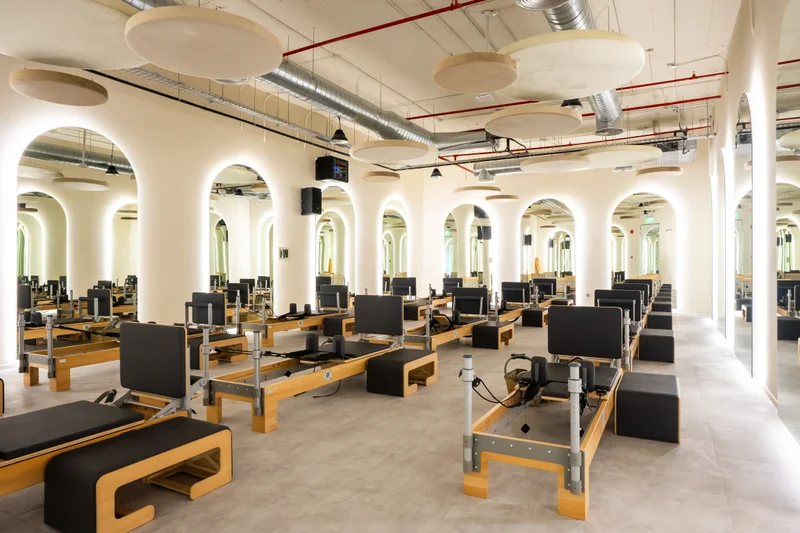
On top of that, boutique and premium formats are expanding, including Pilates, spin, reformer training, yoga, and personal conditioning, reflecting demand for more targeted training options rather than one-size-fits-all gym floors.
Major brands are expanding across key cities
The report points to growing demand across major markets like Riyadh, Jeddah, and Dammam, where membership growth is supported by urban density and lifestyle trends.
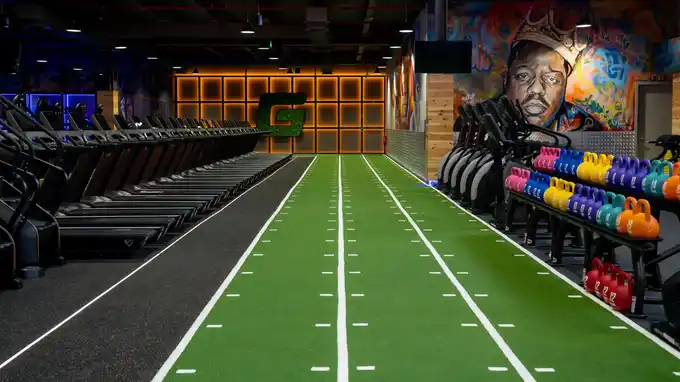
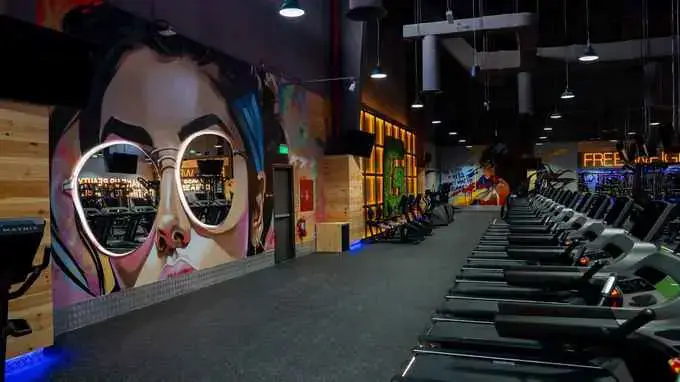
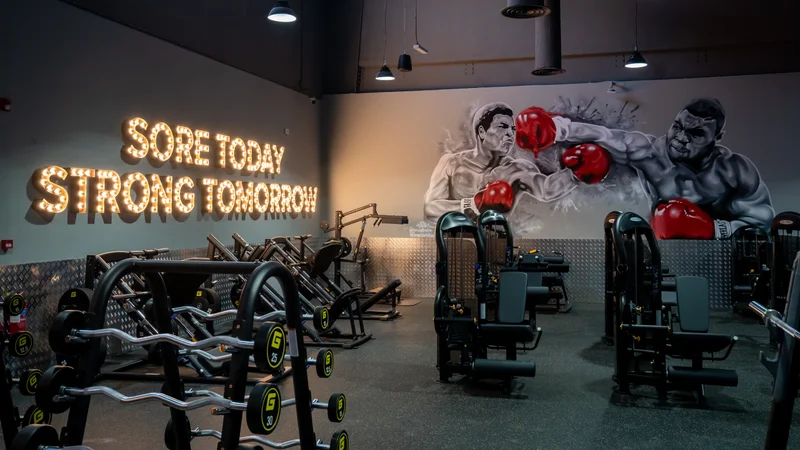
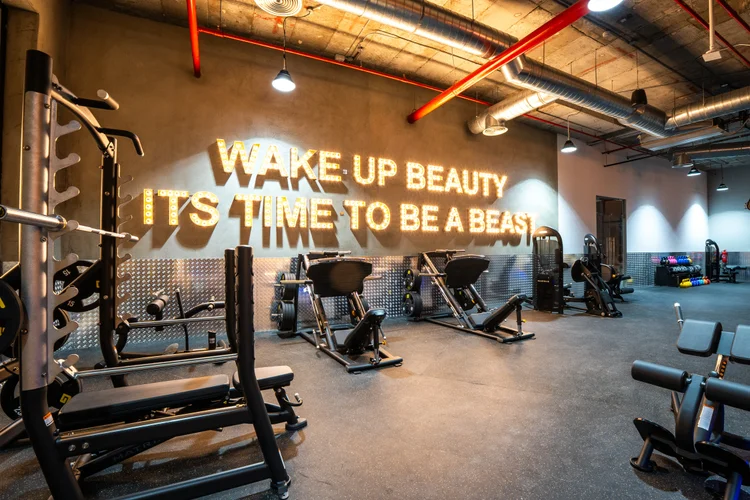
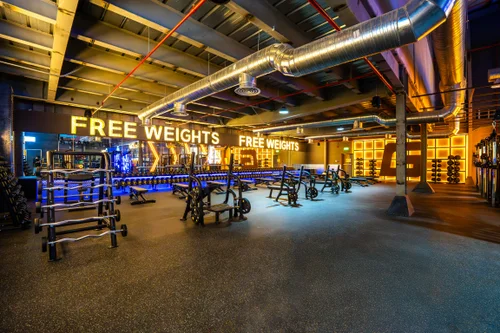
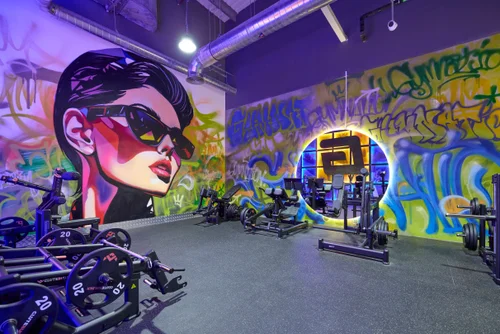
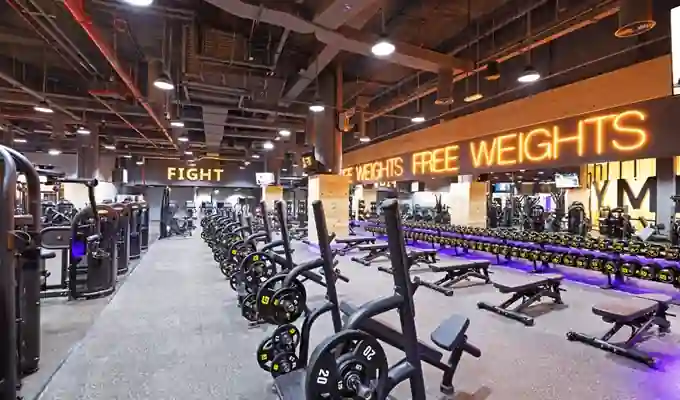
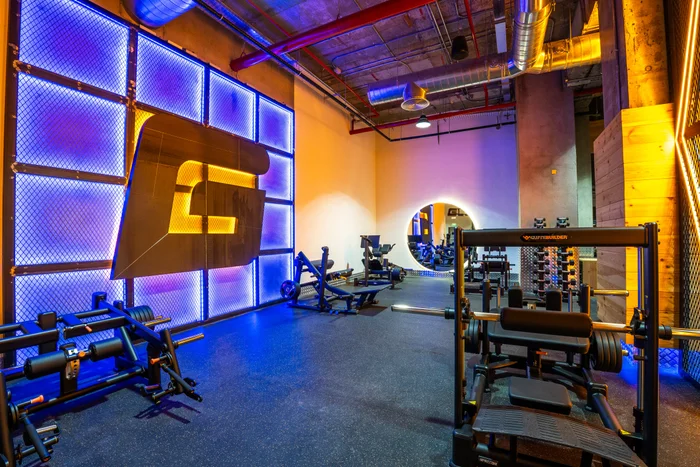
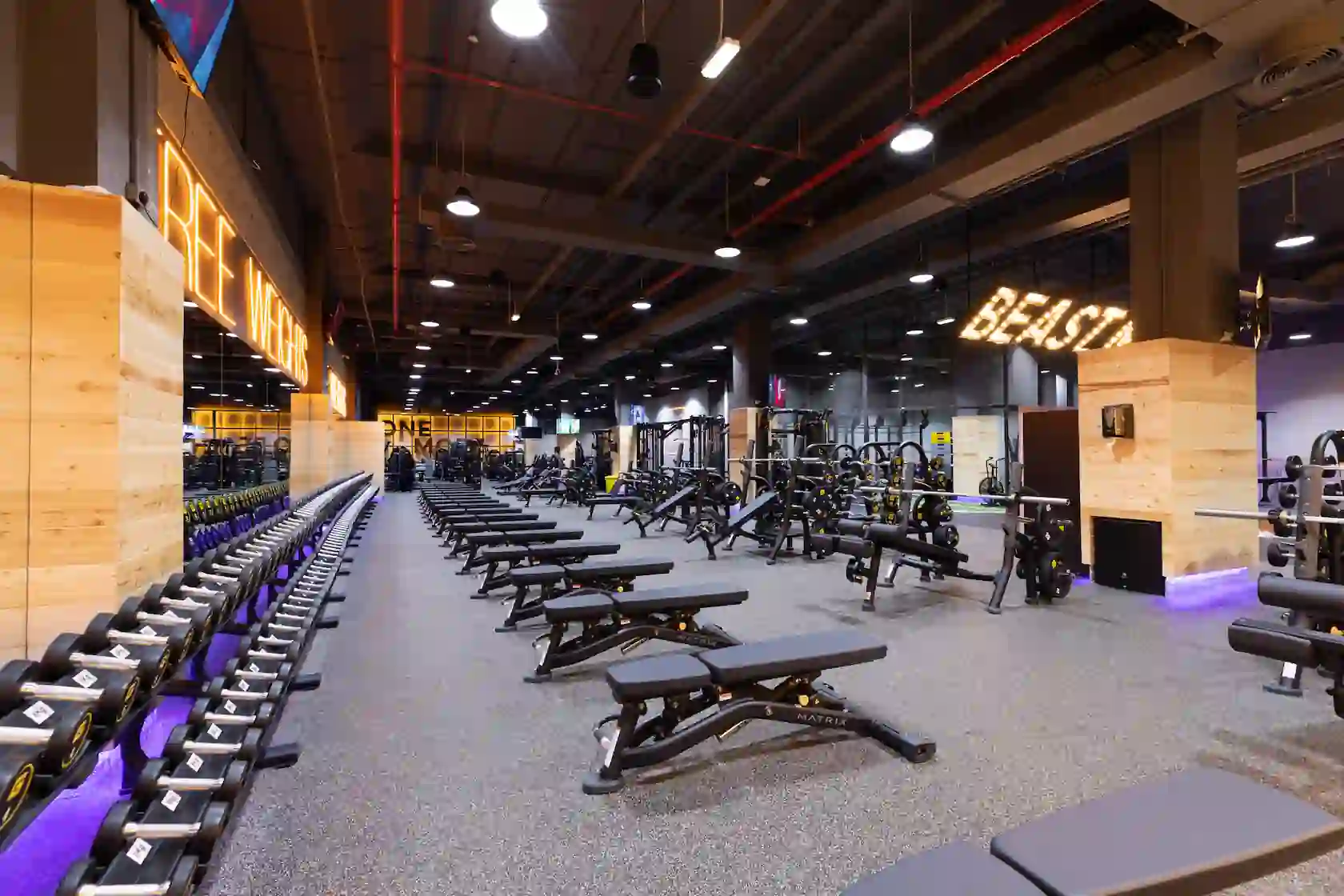
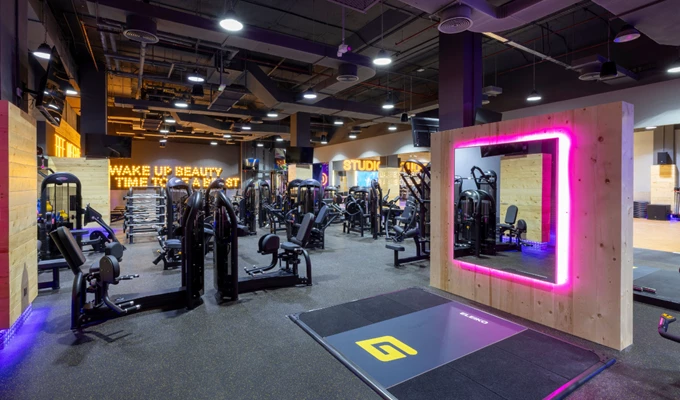
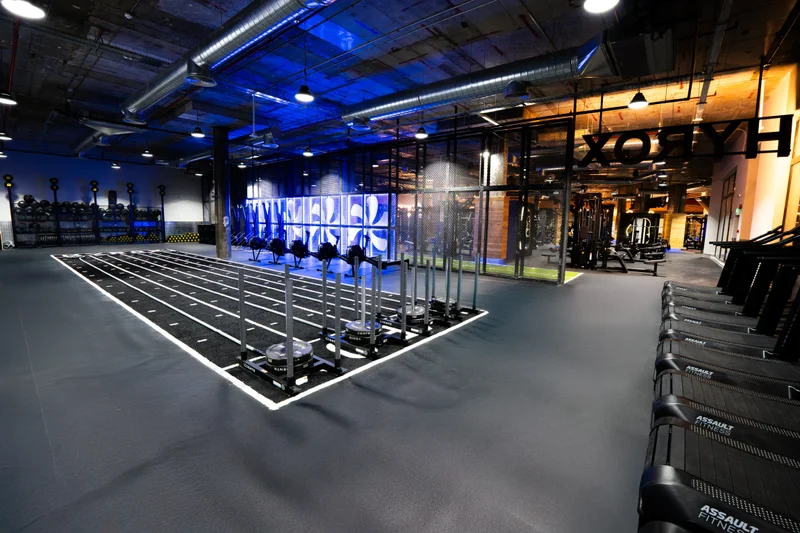
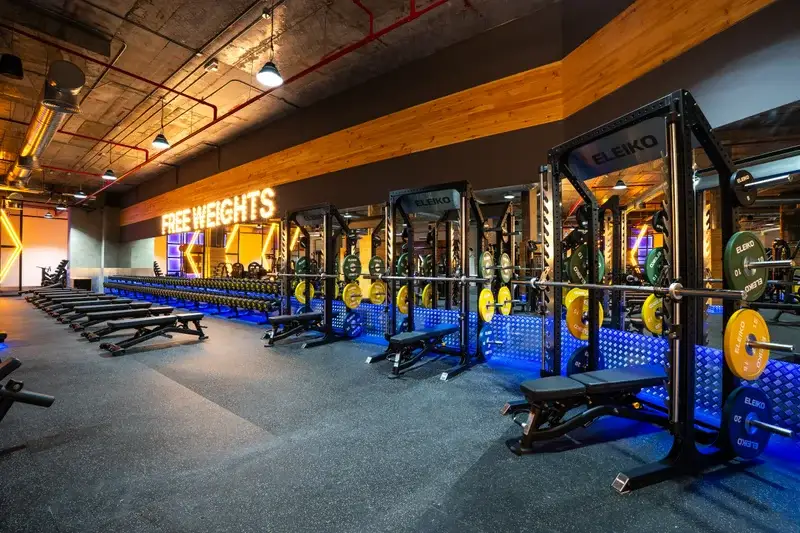
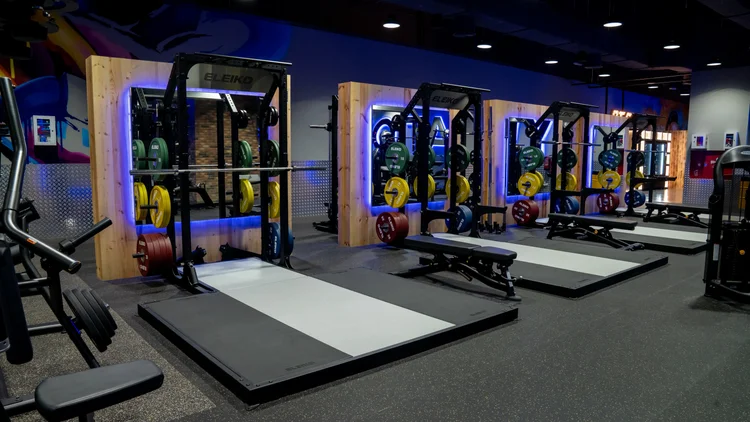
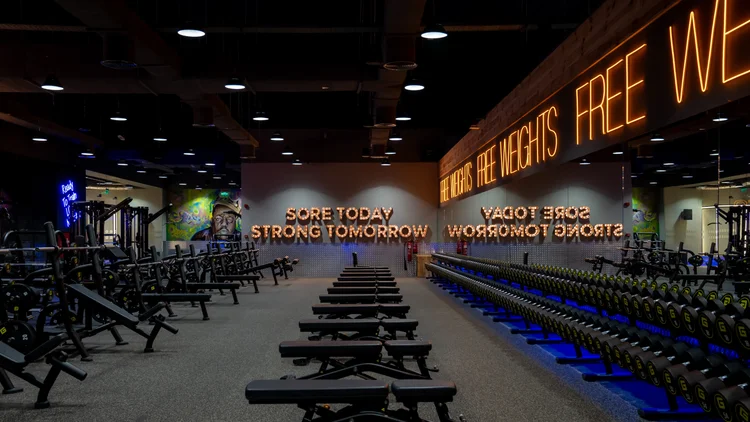
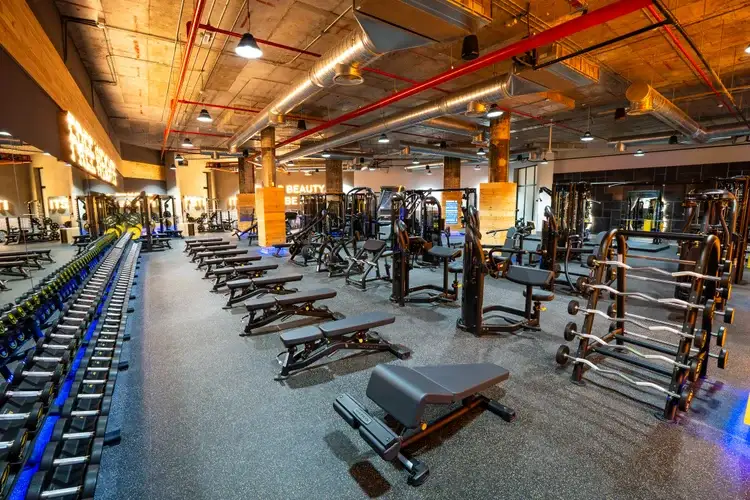
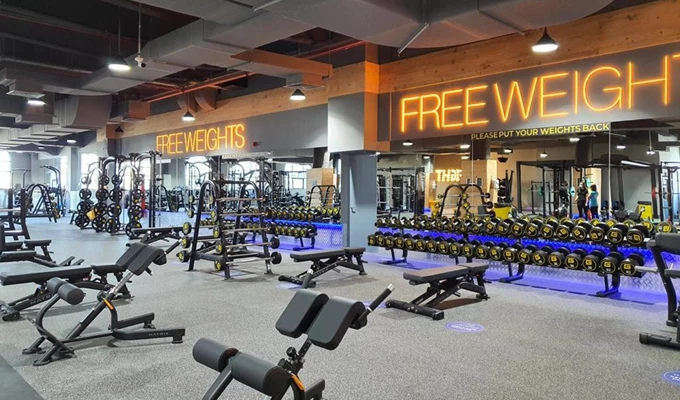
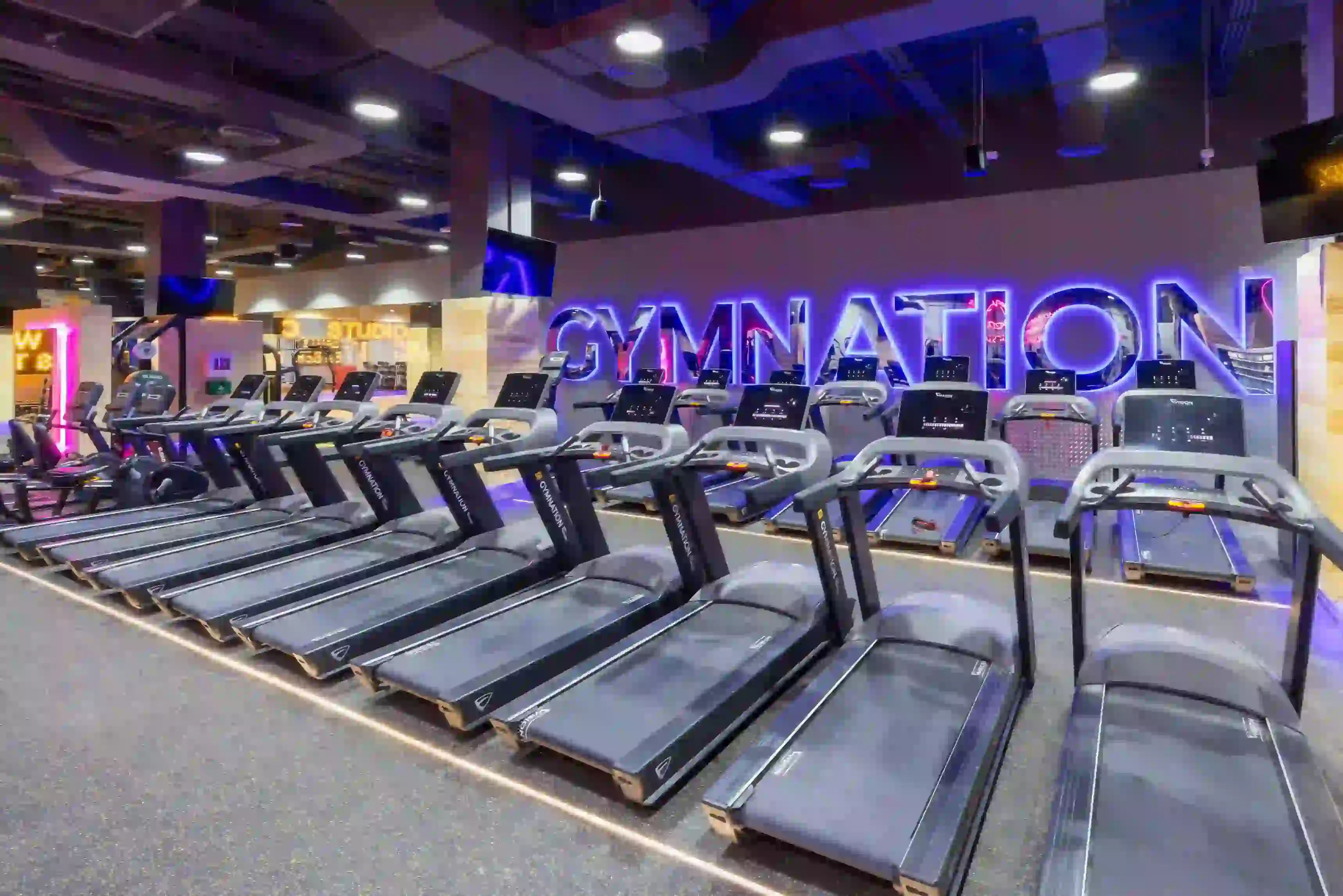
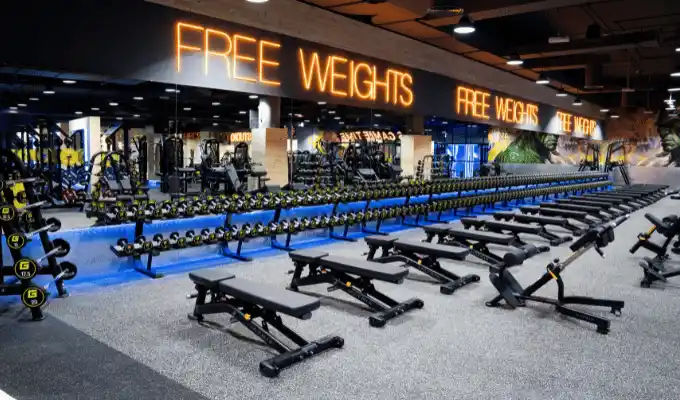
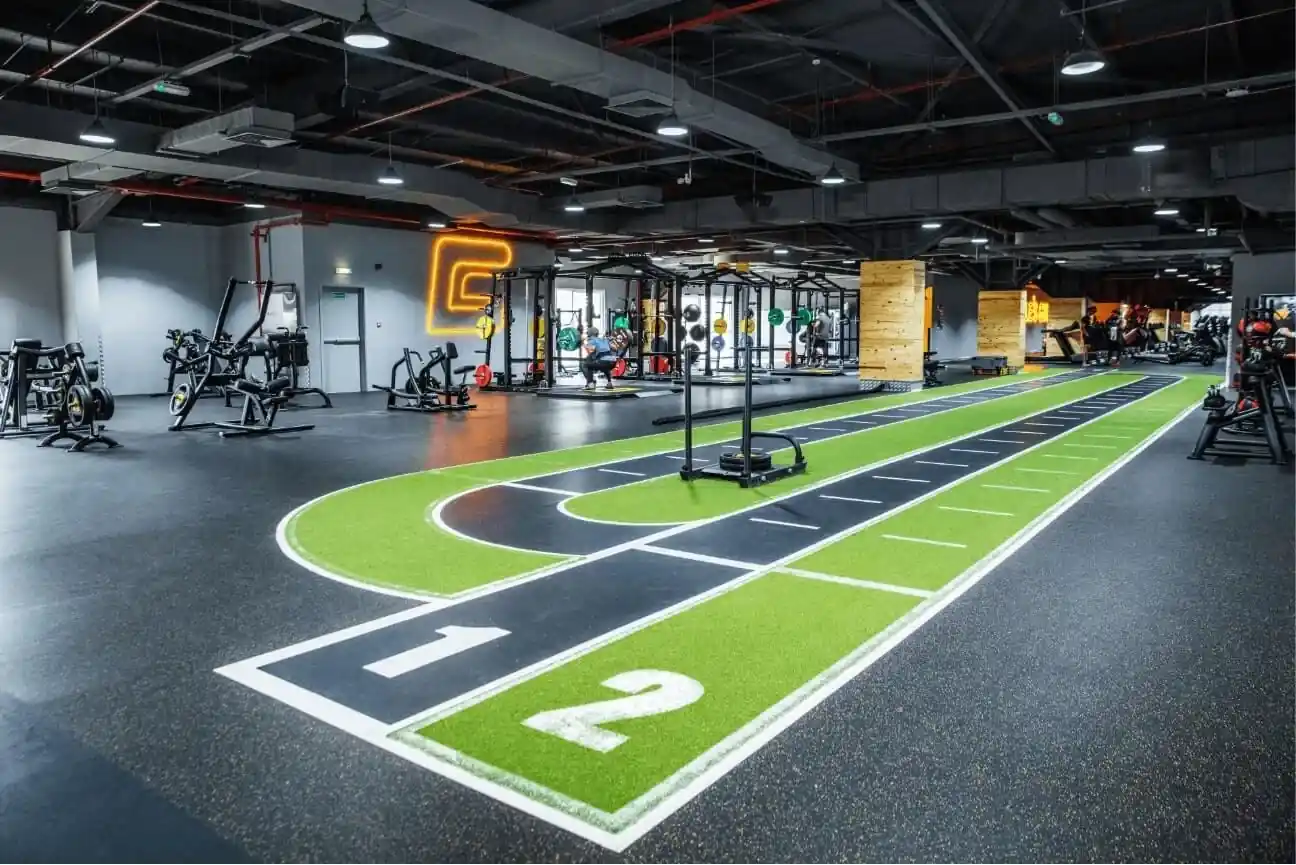
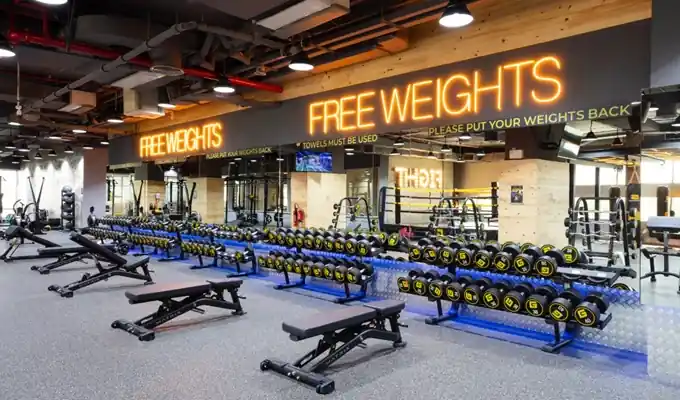
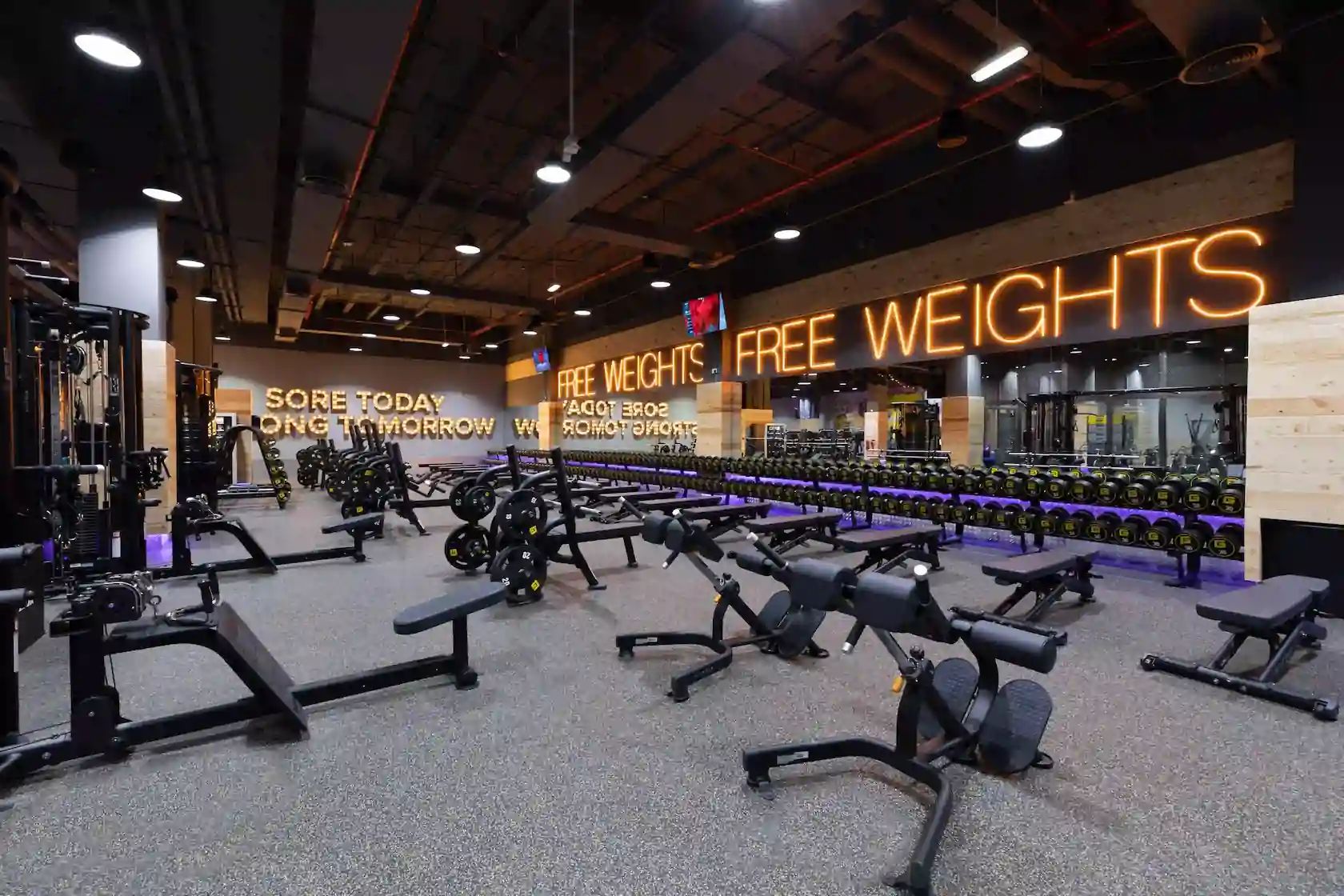
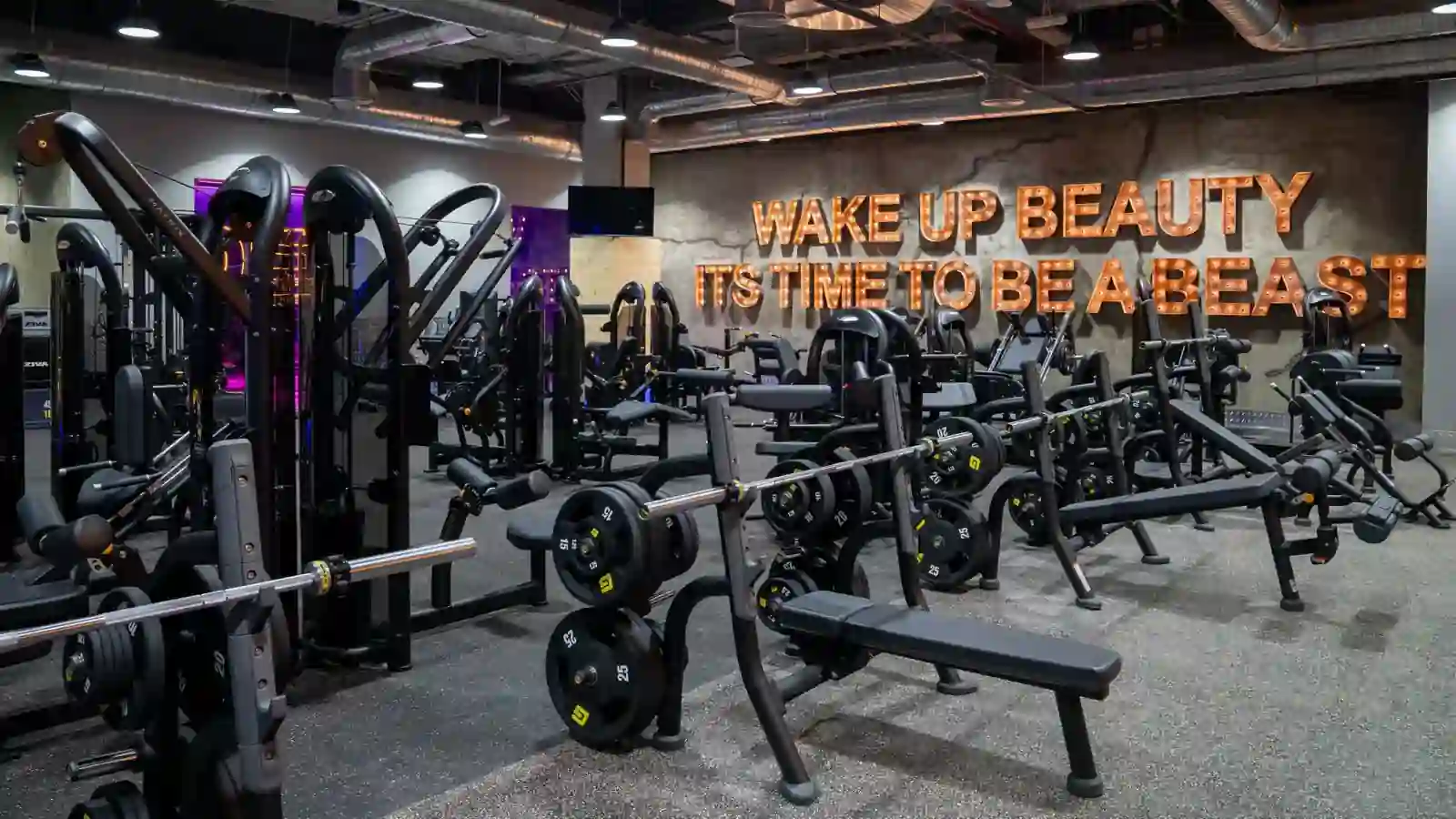
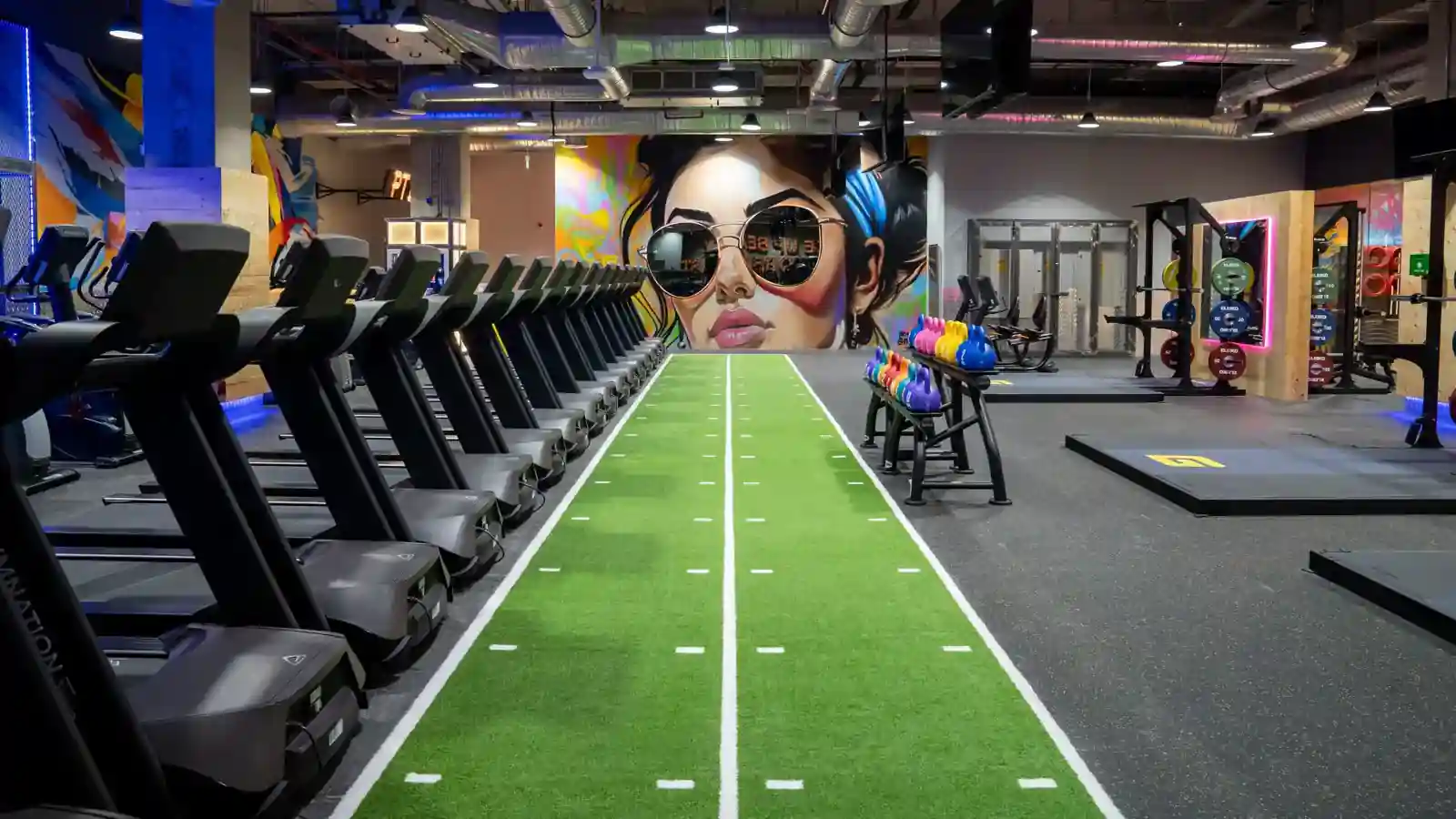
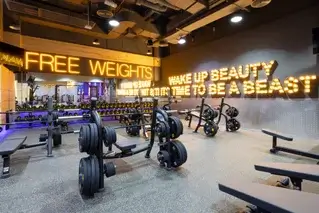
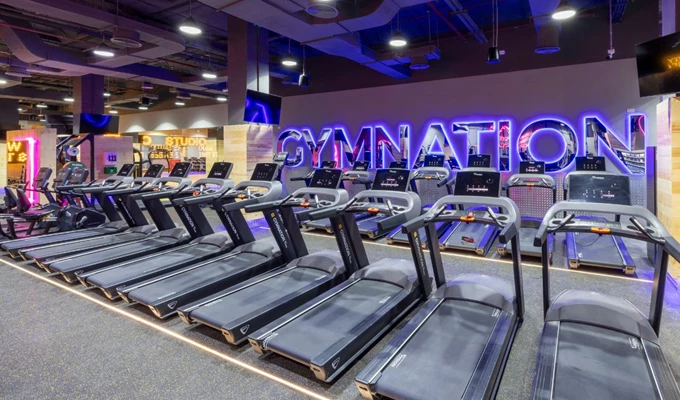
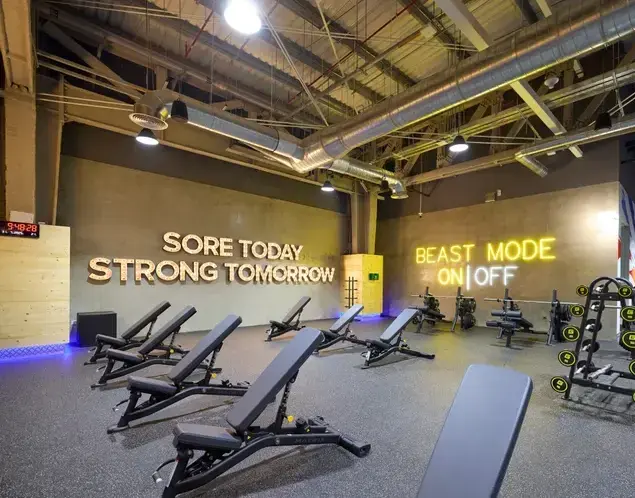
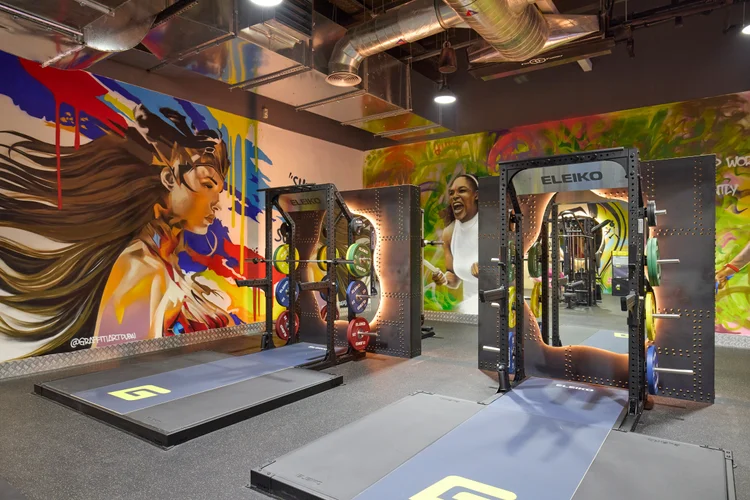
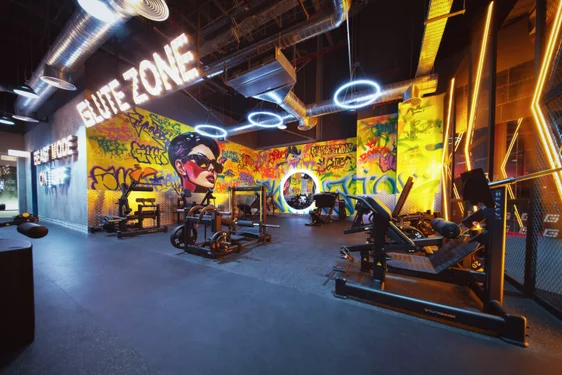
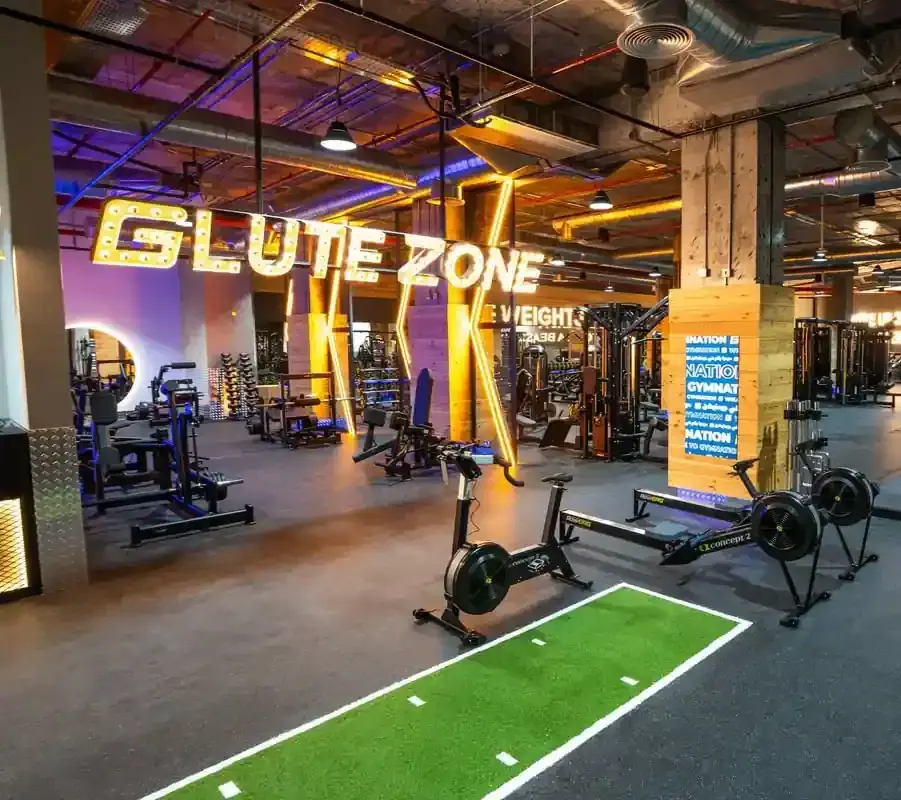
One standout example cited is GymNation, described as Saudi Arabia’s fastest-growing fitness brand, including the launch of its largest and most advanced facility in Qurtubah, Riyadh, spanning 7,200 square metres.
That flagship includes specialised spaces tailored to different goals and lifestyles, and it also marks a significant shift in offering design, including:
-
The largest ladies-only Reformer Pilates studio in Saudi Arabia, plus a private Reformer Pilates room
-
GymNation’s first male spin studio, alongside a dedicated ladies-only spin zone
If you’re looking for locations across the capital, explore GymNation gyms in Riyadh.
For a broader view of available clubs, see Gyms in KSA.
Wellness tourism and hospitality are pulling fitness into new spaces
Another development is how fitness is intersecting with hospitality. The report notes that hotels and resorts are increasingly adding high-end fitness amenities to attract wellness-oriented guests, including features like body scanning, infrared therapy, spa services, and dedicated movement studios.
This creates a new kind of “fitness ecosystem” where training, recovery, and travel experiences start to overlap.
The challenge: growth brings pressure on operators
Rapid expansion is not friction-free. The report flags ongoing hurdles such as:
-
High facility costs in prime urban locations
-
Competitive pressure as more brands enter the market
-
The need for continuous innovation to keep members engaged
At the same time, opportunities remain strong in corporate wellness, community-based offerings, and expansion into underserved regions outside major metro areas.
What this means for members
For everyday gym-goers, a growing sector usually translates into better choice and better experiences:
-
More specialised training spaces (strength, performance, Pilates, spin, recovery)
-
Better coaching options and class variety
-
More tech support for tracking progress
-
More inclusive facilities designed for different needs
The key is to choose a club that matches how you actually train, not how you think you “should” train.
Source: ausleisure.com.au
The opinions shared in the blog articles are solely those of the respective authors and may not represent the perspectives of GymNation or any member of the GymNation team.
Top 5 FAQs Saudi Arabia’s Fitness Sector


Why is the Saudi fitness market growing so fast?
Growth is being driven by rising health awareness, government-backed quality-of-life initiatives, and private sector investment.
What role does Vision 2030 play in fitness growth?
The Vision 2030 Quality of Life Programme aims to increase physical activity and improve community health outcomes, supporting broader investment and participation.
What fitness trends are expanding in Saudi Arabia right now?
Tech-enabled gyms, digital coaching, and boutique formats like Pilates, reformer training, spin, yoga, and personal conditioning are expanding.
Which cities are seeing the most gym demand?
The report highlights growing demand in major cities including Riyadh, Jeddah, and Dammam.
What challenges do gym operators face in Saudi Arabia?
Key challenges include high urban facility costs, increased competition, and the need for ongoing innovation to retain members.
GET YOUR FREE TRIAL TODAY