




















































Simple Fitness Over Intense Workouts: A Smarter Way to Stay Fit

SIGN UP FOR YOUR FREE DAY PASS TODAY!
 WHATSAPP
 EMAIL
EMAIL
 SHARE VIA
Not everyone needs brutal sessions to stay in shape. In a recent feature, actor Triptii Dimri described how she moved away from exhausting workouts and built a routine that protects her energy during long shoot days. Her approach is simple: train to feel good and stay consistent, not to feel wrecked.
This mindset is useful for anyone juggling work, family, and unpredictable schedules.
 Poll
PollWhat's your go-to workout time?
The core idea behind Triptii Dimri’s routine
According to the feature, Triptii stopped overtraining because it drained her energy and affected how she felt during demanding workdays. Instead, she prioritizes balance and steadier daily energy.
Her routine focuses on:
-
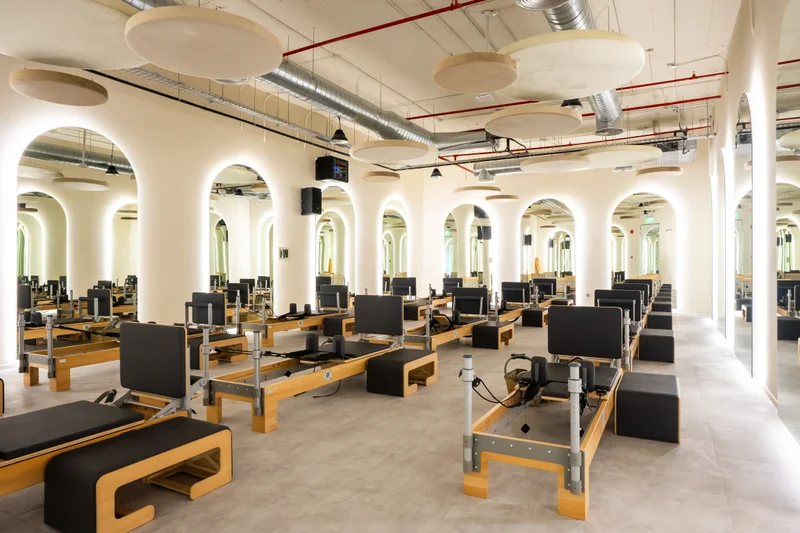
Pilates to support posture, flexibility, and core strength without excessive strain
-
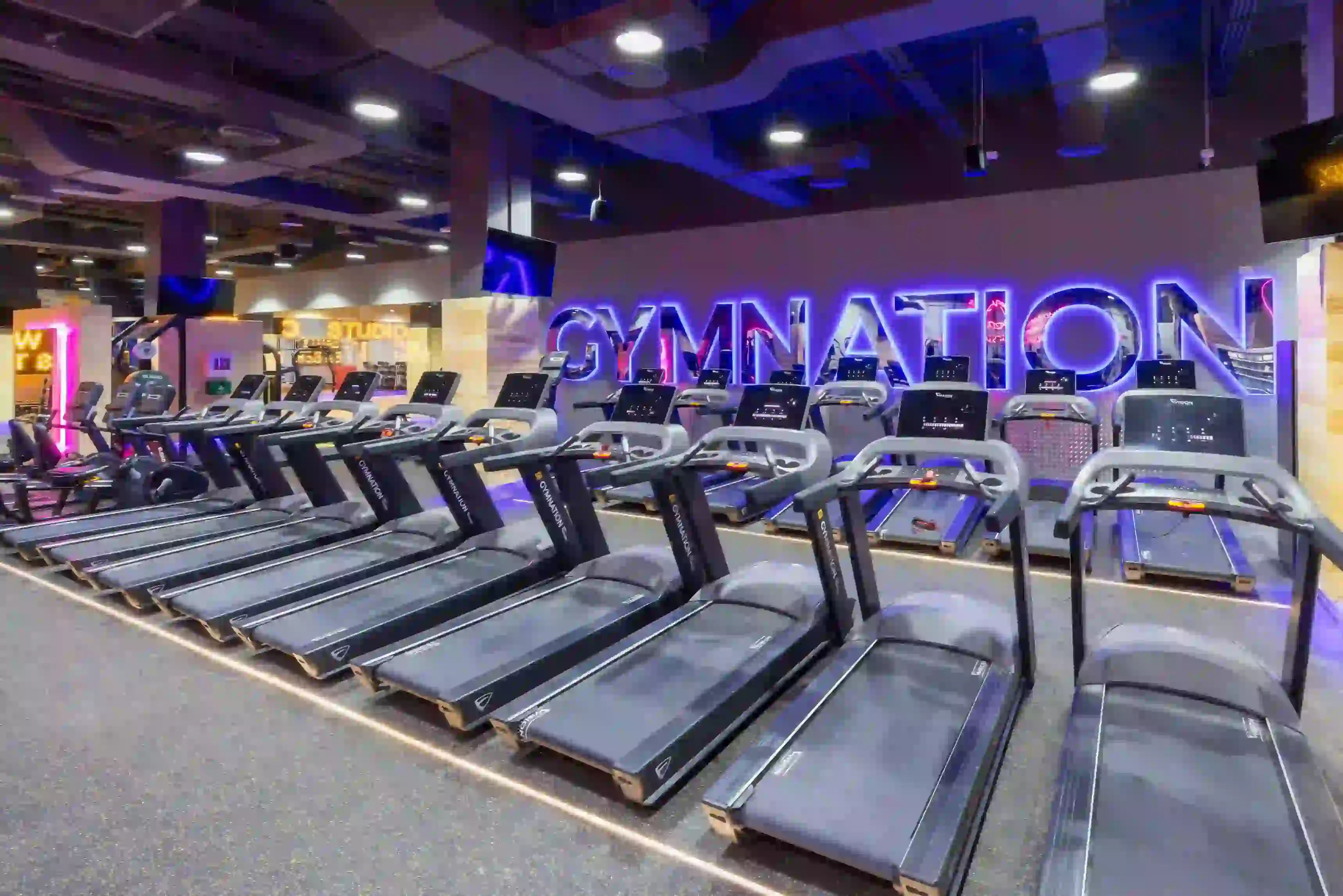
Light cardio for consistency and stamina, without burnout
-
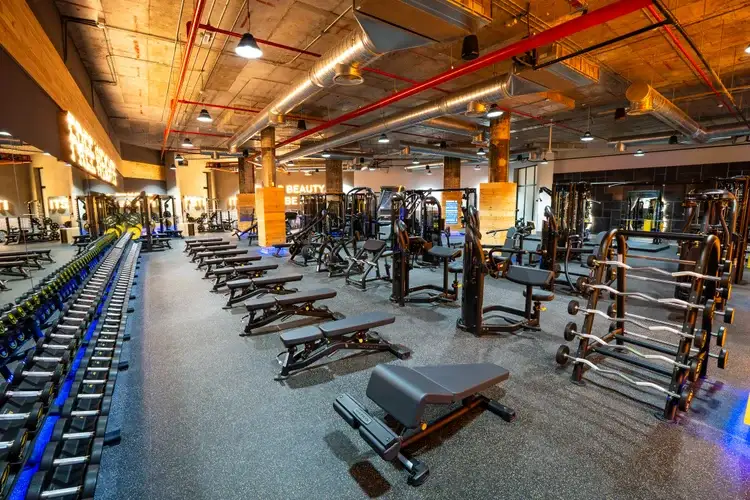
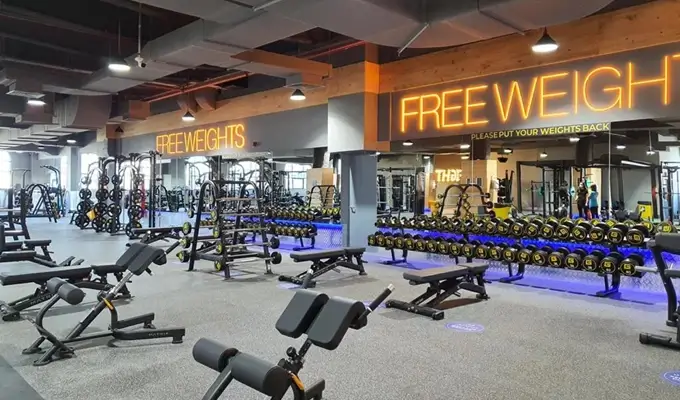
Strength training with manageable weights to maintain tone while staying relaxed and injury-aware
Why “less intense” can deliver better results
High intensity is not automatically better. For many people, intense training becomes a cycle:
-
go too hard
-
feel depleted
-
skip sessions
-
restart aggressively
A sustainable routine flips that:
-
You recover faster
-
You show up more often
-
You build fitness gradually without constant setbacks
How to build a smart routine like this
Use these rules to keep it simple and effective:
1) Choose 2–3 “repeatable” workouts
Pick sessions you can realistically do even on busy weeks:
-
Pilates or mobility work
-
A brisk walk or easy cardio
-
A short strength session with moderate weights
If Pilates is your anchor, try Reformer Pilates as a structured way to build full-body strength and control.
2) Keep strength training simple
Forget complicated splits if your schedule is tight. Aim for full-body basics:
-
Squat pattern (goblet squat, leg press)
-
Hinge pattern (RDL, hip hinge)
-
Push (chest press, push-ups)
-
Pull (rows, lat pulldown)
-
Core (anti-rotation, carries)
3) Let cardio support your life, not ruin it
“Light cardio” works because it’s easy to repeat. Think:
-
20–40 minutes easy incline walk
-
Cycling at a conversational pace
-
Short intervals only when you feel fresh
4) Track food in a low-stress way
If your goal is body composition, keep it practical. Use a simple calculator to estimate needs and adjust from there.
A realistic weekly template
-
2 days: Pilates (reformer or mat)
-
2 days: strength training (45 minutes, full body)
-
2–4 days: light cardio (20–40 minutes)
-
Daily: 5–10 minutes mobility (especially hips, ankles, thoracic spine)
The biggest takeaway
Triptii’s message is clear: fitness should support how you feel, not punish you. If intense workouts keep derailing your consistency, a simpler plan can be the upgrade.
Source: economictimes.indiatimes.com
The opinions shared in the blog articles are solely those of the respective authors and may not represent the perspectives of GymNation or any member of the GymNation team.
Top 5 FAQs about Simple Fitness Over Intense Workouts


Do I need intense workouts to see results?
Not always. Many people get better results from a routine they can repeat consistently, even if intensity is moderate.
What’s a good “smart fitness” mix?
A balanced mix of Pilates or mobility, light cardio, and simple strength training covers most goals.
How many days a week should I strength train?
A strong starting point is 2–3 days per week, full-body sessions, with manageable loads.
Is Pilates enough on its own?
Pilates is excellent for core strength, posture, and control. For broader strength and body composition goals, it pairs well with strength training and cardio.
What’s the easiest way to avoid burnout?
Keep workouts repeatable, avoid max-effort training most days, and increase volume gradually instead of all at once.
GET YOUR FREE TRIAL TODAY