




































































The 5 Hybrid Training Habits That Keep a 71-Year-Old HYROX Athlete Winning

SIGN UP FOR YOUR FREE DAY PASS TODAY!
 WHATSAPP
 EMAIL
EMAIL
 SHARE VIA
Hybrid training is having a moment, but for some athletes it is not a trend. It is the reason they can keep competing, recovering well, and getting stronger decade after decade.
 Poll
PollWhat's your go-to workout time?
One Australian athlete has lived that reality across a long timeline of sport: competitive netball and basketball, years of cycle travel across Europe and Asia, then decades of endurance and strength events including triathlons, marathons, long-distance rides, and bodybuilding and weightlifting competitions.
Now her focus is HYROX, a format that blends running with functional workout stations. At 71, she has competed in four races, took first place in her most recent event, qualified for the 2026 World Championships in Stockholm, and is ranked fourth in the HYROX world ranking.
Here are the five habits from her approach that matter most, rewritten into practical takeaways you can apply at any age.
1) Build fitness with hybrid training, not random workouts
Her training week is simple in concept and effective in execution: strength work, HYROX-specific conditioning, and longer easy cardio.
That hybrid base is what keeps performance moving forward:
-
Strength training supports power, durability, and better output under fatigue.
-
Conditioning prepares you for repeated hard efforts and fast recovery.
-
Easy aerobic work builds capacity without draining you.
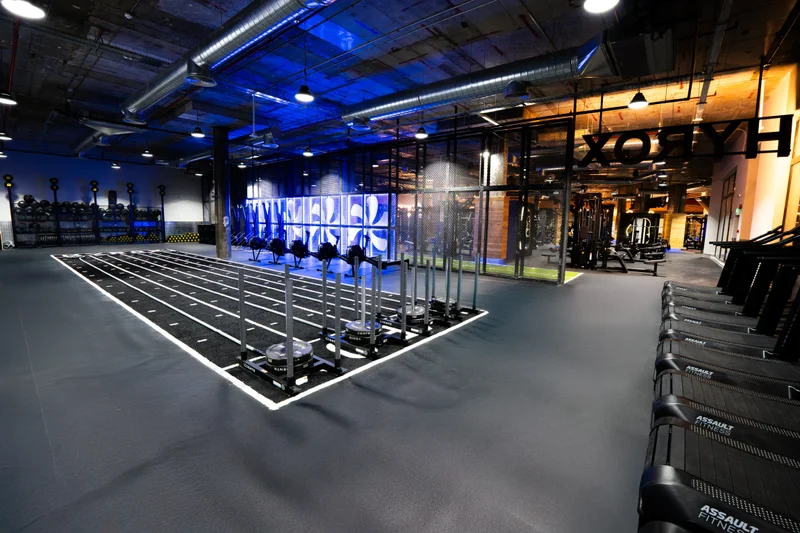
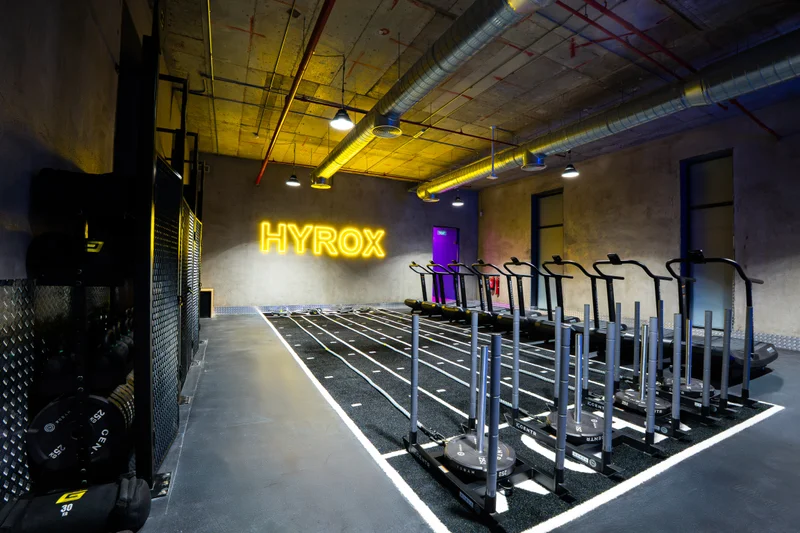
If you want structure that mirrors the sport, start with HYROX-specific coaching and sessions through HYROX classes.
2) Train technique like it is part of your strength
HYROX stations punish sloppy movement. In her training, form is non-negotiable whether she is lifting alone or training with a group.
That mindset is useful even if you never compete:
-
Better technique lets you train harder without accumulating avoidable aches.
-
Clean reps keep progress consistent because you can repeat quality sessions.
-
Good movement is a skill, and skills hold up as you age.
3) Eat for performance, then make room for real life
Her nutrition is built around whole foods and a balanced plate: colourful fruit and veg, lean proteins, complex carbs, and healthy fats. But she does not restrict, count macros, or treat food like a set of rules.
The principle to copy is simple:
-
Make most meals supportive of training.
-
Keep flexibility so consistency becomes easy.
-
Listen to appetite, recovery, and energy, then adjust.
This is how you avoid the cycle of “perfect diet” followed by burnout.
4) Make mobility daily, not occasional
With high training volume, she finishes every session with at least 10 minutes of stretching and mobility, working through back, legs, shoulders, chest, and arms.
Daily mobility pays off in three ways:
-
You keep range of motion for stronger, more efficient movement.
-
You recover better between hard sessions.
-
You stay confident in your body, which matters when training gets demanding.
If you like guided strength that also reinforces control and quality movement, Strength Development classes can fit well alongside hybrid conditioning.
5) Treat setbacks as a training variable, not a stop sign
Injuries and illness are part of a long athletic career. Before a recent HYROX race in Chicago, she tweaked her hamstring. Instead of pulling out, she scaled back training, worked with a physio, and adjusted expectations on race day.
That response is the real habit:
-
Reduce load, keep movement.
-
Rebuild confidence gradually.
-
Measure success by execution, not ego.
The goal is not avoiding adversity. The goal is staying in the game.
The real reason this works
Her long-term consistency comes from treating fitness as a lifestyle and building a community around it. The gym is not just where she trains. It is where she connects, stays mentally sharp, and keeps momentum.
That is the mindset behind lifelong fitness:
Train for progress, recover like it matters, and enjoy the process enough to repeat it.
Source: womenshealthmag.com
The opinions shared in the blog articles are solely those of the respective authors and may not represent the perspectives of GymNation or any member of the GymNation team.
Top 5 FAQs


What is HYROX?
HYROX is a fitness competition format that combines running with functional workout stations performed in a set order.
What is hybrid training?
Hybrid training blends strength training and cardio in a planned way so you improve overall performance, not just one fitness quality.
How many days a week should I do hybrid training?
A common starting point is 3–5 days per week, balancing strength sessions with conditioning days and at least one easier recovery day.
Do I need to follow a strict diet to improve performance?
No. Consistency matters more than perfection. Build most meals around whole foods, then allow flexibility so you can sustain the plan.
Is daily stretching necessary?
Not everyone needs long sessions daily, but regular mobility and stretching can help you maintain range of motion, recover better, and train with better form.
GET YOUR FREE TRIAL TODAY