



























































The Fast and the Fitness: How to Keep Gym Goals in Ramadan

SIGN UP FOR YOUR FREE DAY PASS TODAY!
 WHATSAPP
 EMAIL
EMAIL
 SHARE VIA
Ramadan is a month of spirituality, reflection, and discipline. If you’re fasting, your training needs to respect the reality of long daylight hours without food or water, but that doesn’t mean fitness has to stop.
With the right timing, smarter workout choices, and better recovery, you can maintain momentum and protect your energy.
The guidance below is based on coaching tips shared by F45 coach Marwa Ait Hemmou, focused on balance, low-impact movement, and practical nutrition and hydration strategies.
 Poll
PollWhat's your go-to workout time?
Start with the goal: balance, not burnout
During Ramadan, the best training plan is the one you can repeat consistently. Think in terms of:
-
Maintaining strength and muscle
-
Keeping daily movement and mobility
-
Supporting energy, sleep, and recovery
If your usual routine feels too demanding, adjust volume and intensity instead of forcing the same output.
The best times to work out during Ramadan
1) One hour before iftar
Training shortly before iftar is useful because you can refuel immediately after. Keep it controlled and focused: strength work, light circuits, or low-impact conditioning.
2) After iftar (post-dinner)
If you prefer higher intensity, train 1 to 2 hours after eating to avoid discomfort. This window is often best for heavier lifting or harder sessions because you’ve already had fluids and food.
What workouts make the most sense while fasting
When energy is lower, your best option is training that stimulates your body without draining it.
Good Ramadan-friendly choices include:
-
Walking
-
Yoga
-
Pilates
-
Bodyweight strength work
-
Light weight training
A simple rule: aim to finish sessions feeling better than when you started, not wrecked.
If you want a recovery-focused session that still builds strength and control, Yoga classes are a strong option during Ramadan weeks.
Nutrition that supports training during Ramadan
Suhoor: build a slow-release meal
Prioritize foods that digest slowly and keep you steady through the day:
-
Slow carbs: oats, whole grains, sweet potato
-
Protein: eggs, yogurt, cottage cheese
-
Healthy fats: avocado, nuts
Iftar: refuel, then build a balanced plate
Start simple, then eat a proper meal:
-
Break fast with water and dates
-
Then lean protein + complex carbs + vegetables
-
Limit heavy fried or very salty foods if they make you sluggish
Snacks (between iftar and suhoor)
Choose foods that add nutrients, not just calories:
-
Nuts, seeds, fruit
Hydration: make it a plan, not a reminder
Hydration becomes a nightly job during Ramadan. Aim for 8 to 10 cups of water between iftar and suhoor, and include water-rich foods like cucumber, watermelon, and oranges.
Recovery: the multiplier most people ignore
Training is only one piece. Sleep and recovery decide whether you maintain performance.
-
Aim for 7 to 8 hours of sleep total each day (even if split).
-
If you’re consistently exhausted, reduce training volume and prioritize rest.
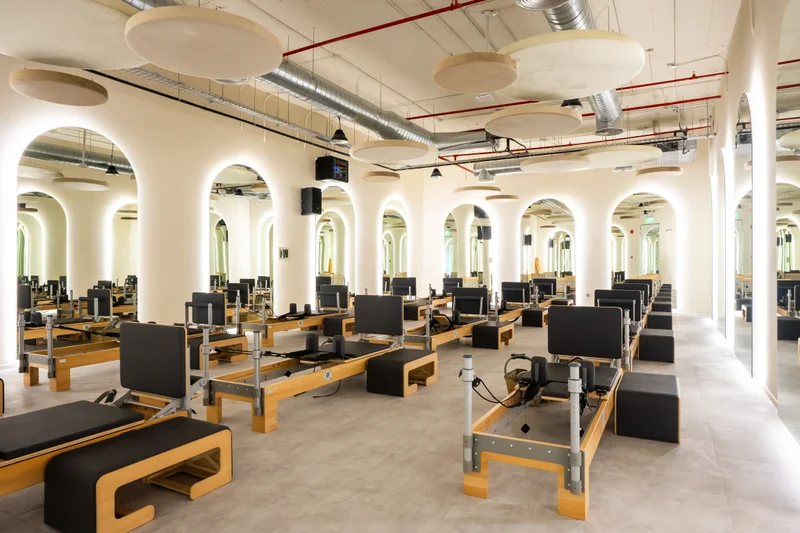
A controlled, joint-friendly strength option that can complement fasting weeks is Reformer Pilates.
Listen to your body, and adjust early
If you feel unusually fatigued, dizzy, dehydrated, or your workouts keep getting worse, scale back. Ramadan is about discipline, but your health comes first.
A simple Ramadan training template
Use this as a practical baseline:
-
2–3 strength sessions per week (short, focused, leave 1–2 reps in reserve)
-
2–4 low-intensity sessions (walking, yoga, Pilates, mobility)
-
1 full rest day weekly
-
Hard sessions go after iftar. Easier sessions can go pre-iftar.
Source: whatson.ae
The opinions shared in the blog articles are solely those of the respective authors and may not represent the perspectives of GymNation or any member of the GymNation team.
Top 5 FAQs about The Fast and the Fitness


Is it safe to work out while fasting in Ramadan?
For most people, yes, with smart adjustments. Choose suitable timing, reduce intensity when needed, and prioritize hydration and sleep.
What is the best time to train during Ramadan?
Either about an hour before iftar (so you can refuel right after), or 1–2 hours after iftar for harder workouts.
Should I avoid heavy lifting during Ramadan?
Not necessarily. Many people lift well after iftar. If you train pre-iftar, keep it lighter and more controlled.
What should I eat at suhoor to support training?
Focus on slow-digesting carbs, quality protein, and healthy fats to stay fuller and steadier through the day.
How much water should I drink between iftar and suhoor?
A helpful target is 8–10 cups, plus hydrating foods with meals.
GET YOUR FREE TRIAL TODAY