Staying strong and mobile in your seventies is absolutely possible, but you cannot train like you did at 25 and expect your joints to thank you.
Strength, balance and mobility all decline with age, especially if you sit a lot, yet research is clear that the right resistance and mobility work can slow that decline and even reverse some of it.
A personal trainer speaking to Tom’s Guide shared one of his go-to movements for his 72-year-old dad. It is a single dumbbell exercise that combines a weighted prisoner squat with a good morning to challenge full-body mobility and strength in one shot.
Used well, it can help older adults improve:
-
Hip, knee and ankle mobility
-
Thoracic (upper back) mobility and posture
-
Strength in the core, back, glutes and legs
Let’s break down how it works, how to do it safely and how to plug it into a realistic routine if you are 60, 70 or beyond.
Why mobility and strength matter more after 60
As we age, several things happen at once:
-
We naturally lose muscle mass and strength (sarcopenia), which raises the risk of frailty and falls.
-
Joints get stiffer, especially in the hips, spine and ankles, which limits daily movement.
-
Long periods of sitting accelerate loss of mobility and independence.
The good news:
That is why a single exercise that hits mobility and strength together is so valuable, especially for someone in their seventies who still wants to lift, garden, travel and play with grandchildren.
What is the weighted prisoner squat + good morning combo?
In the Tom’s Guide piece, the trainer describes an exercise that:
-
Uses one light dumbbell for load and balance
-
Starts in a prisoner squat position (hands behind the head)
-
Moves into a good morning pattern from the bottom of the squat
This blend:
-
Tests mobility at the thoracic spine, hips, knees and ankles
-
Builds strength in the core, back, glutes, quads and hamstrings
-
Challenges posture because the prisoner hand position forces the torso to stay more upright
The weight adds resistance but also acts as a counterbalance, which can actually help many people sit into the squat with better control when the load is light and the technique is good.
It is essentially a functional, full-body pattern rather than an isolated bodybuilding move.
How to perform the exercise safely
If you are 60+, have any medical conditions, or are new to strength training, speak with a healthcare professional before trying new movements. When you are cleared to train, start with bodyweight only and move slowly.
Setup
-
Stand with your feet roughly shoulder-width apart, toes slightly turned out.
-
Clasp your hands lightly behind your head in a prisoner position. Keep your elbows roughly in line with your ears, not pulled forward.
-
Brace your core gently, stand tall and keep your chest lifted.
If using a dumbbell (after you are confident with bodyweight):
Step 1: The prisoner squat
-
Sit your hips down and slightly back, like lowering into a chair.
-
Keep your chest facing forward and your elbows from collapsing in front of you.
-
Keep your heels flat. Stop before pain, but aim for a comfortable depth.
-
Drive through the whole foot to stand back up to the start.
This part of the movement builds strength in the quads, glutes and core, while also training ankle and hip mobility.
Step 2: The good morning
From the top or from a comfortable partial squat position:
-
Keep a soft bend in the knees.
-
Hinge from the hips by sending your hips back while keeping your spine neutral.
-
Let your chest tip forward slightly while you keep your back long and your core engaged.
-
When you feel a stretch in the hamstrings, pause, then drive the hips forward to return to standing.
This pattern loads the posterior chain (hamstrings, glutes and muscles along the spine).
You can perform the squat and good morning as a linked sequence in each rep, or as two distinct phases, depending on what your coach recommends.
Common mistakes and what they tell you
The trainer notes several form issues that show up quickly with this move. They are not just “bad technique.” They are feedback about where you are tight or weak.
1. Knees caving inward
If your knees fall toward each other as you squat, that can signal:
Think about “pushing the floor apart” with your feet and keeping knees in line with your toes.
2. Heels lifting off the floor
Heels coming up during the squat usually mean limited mobility at the:
In this case, you may need:
3. Elbows drifting forward and chest collapsing
If your elbows drift forward and your chest drops as you squat, your upper body is struggling to maintain position in the prisoner stance.
That can point to:
The trainer suggests adding full-body mobility sessions and posture work that focus on opening the shoulders and chest while strengthening the upper back.
Sets, reps and how often to do it
In the article, the trainer recommends:
For older adults, that aligns well with general guidance for resistance training: moderate loads, controlled tempo and enough effort to challenge the muscles without chasing exhaustion.
A simple way to start:
-
Perform the movement 1–3 times per week on non-consecutive days.
-
Allow at least one full rest day between sessions.
-
Stop each set when you feel you could do only 1–2 more good reps.
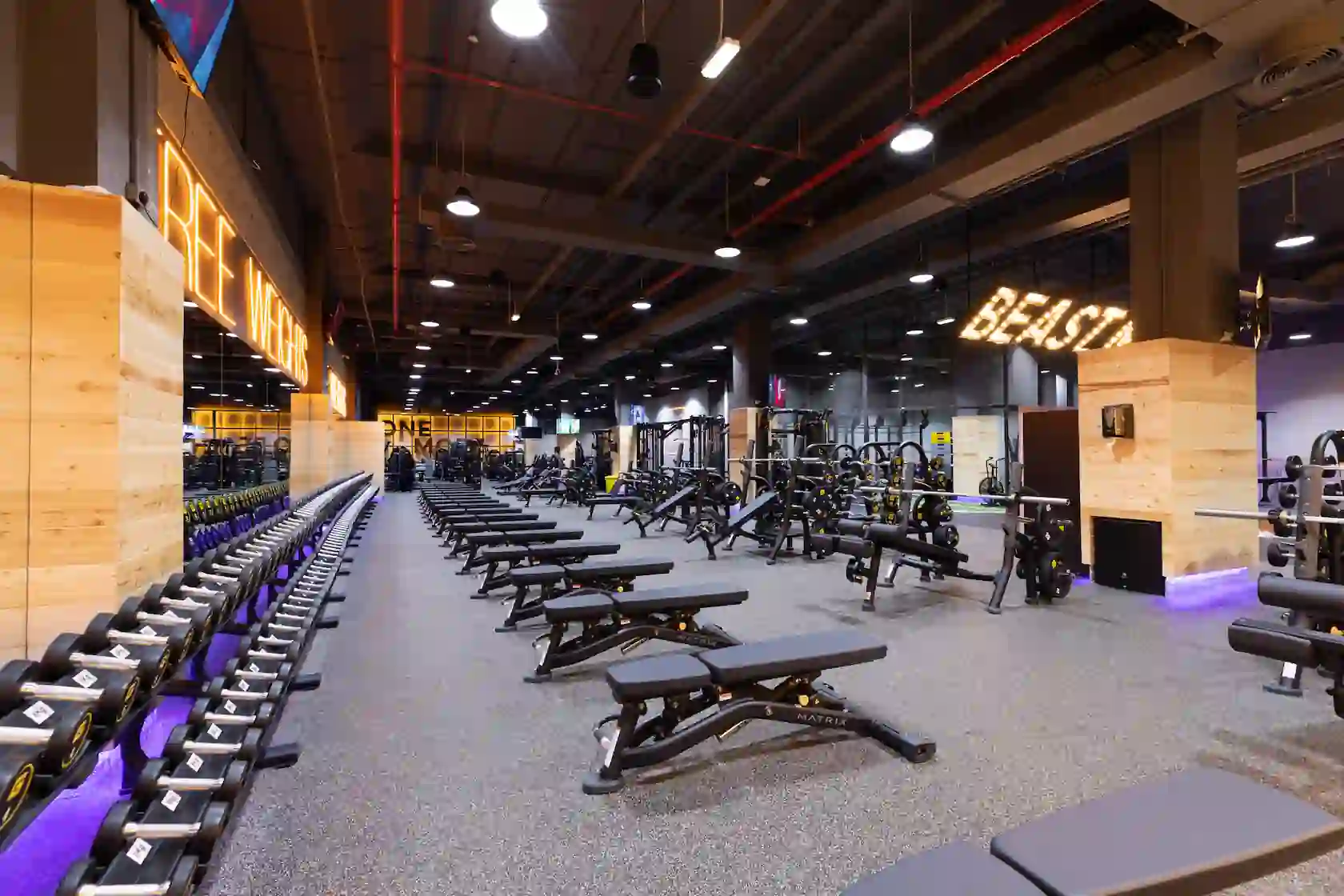
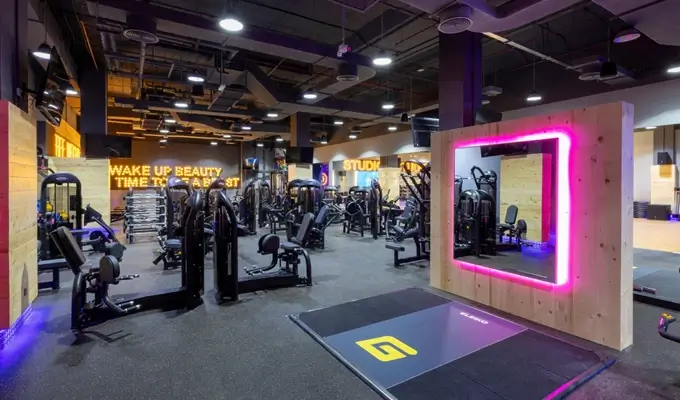
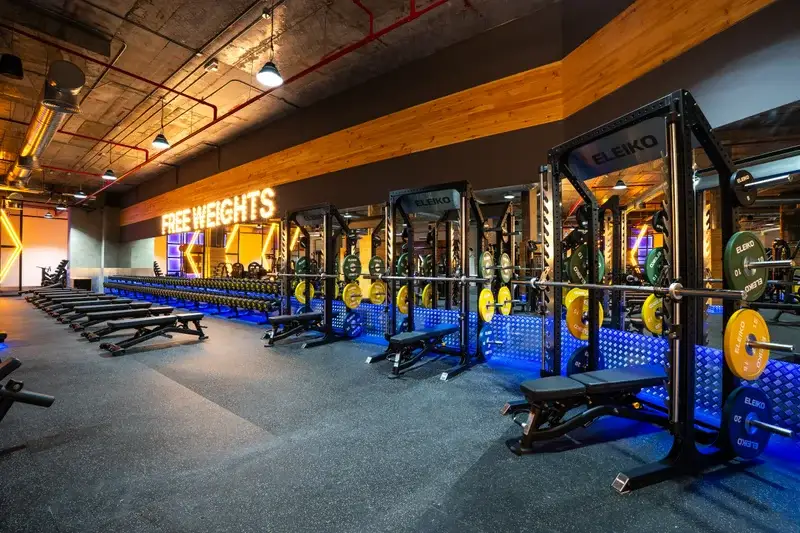
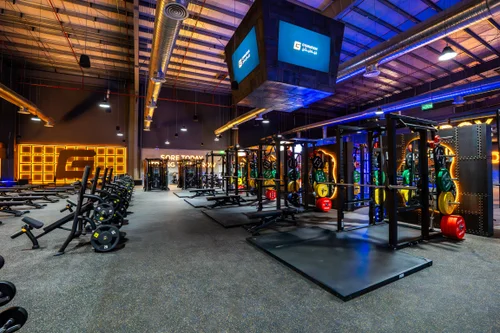
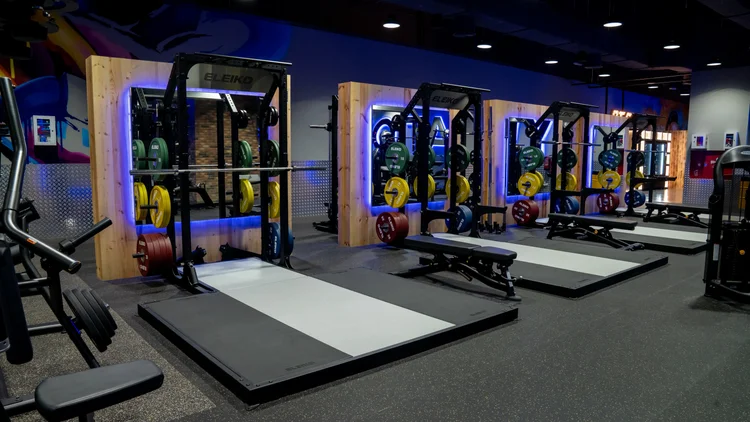
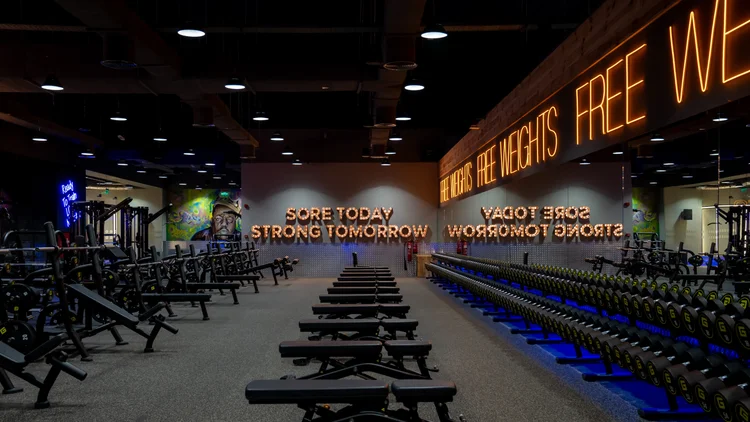
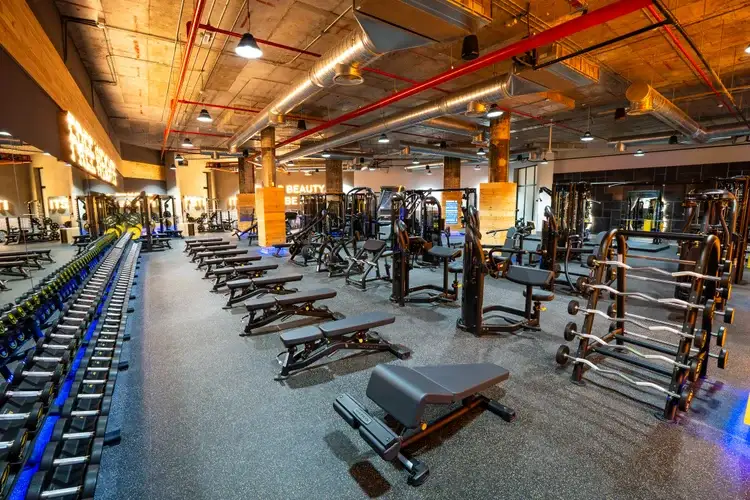
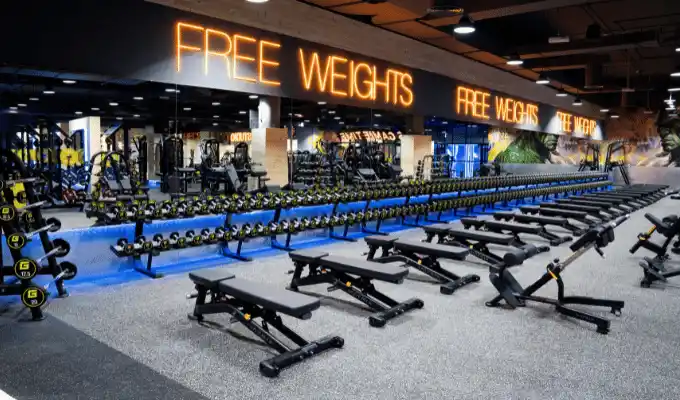
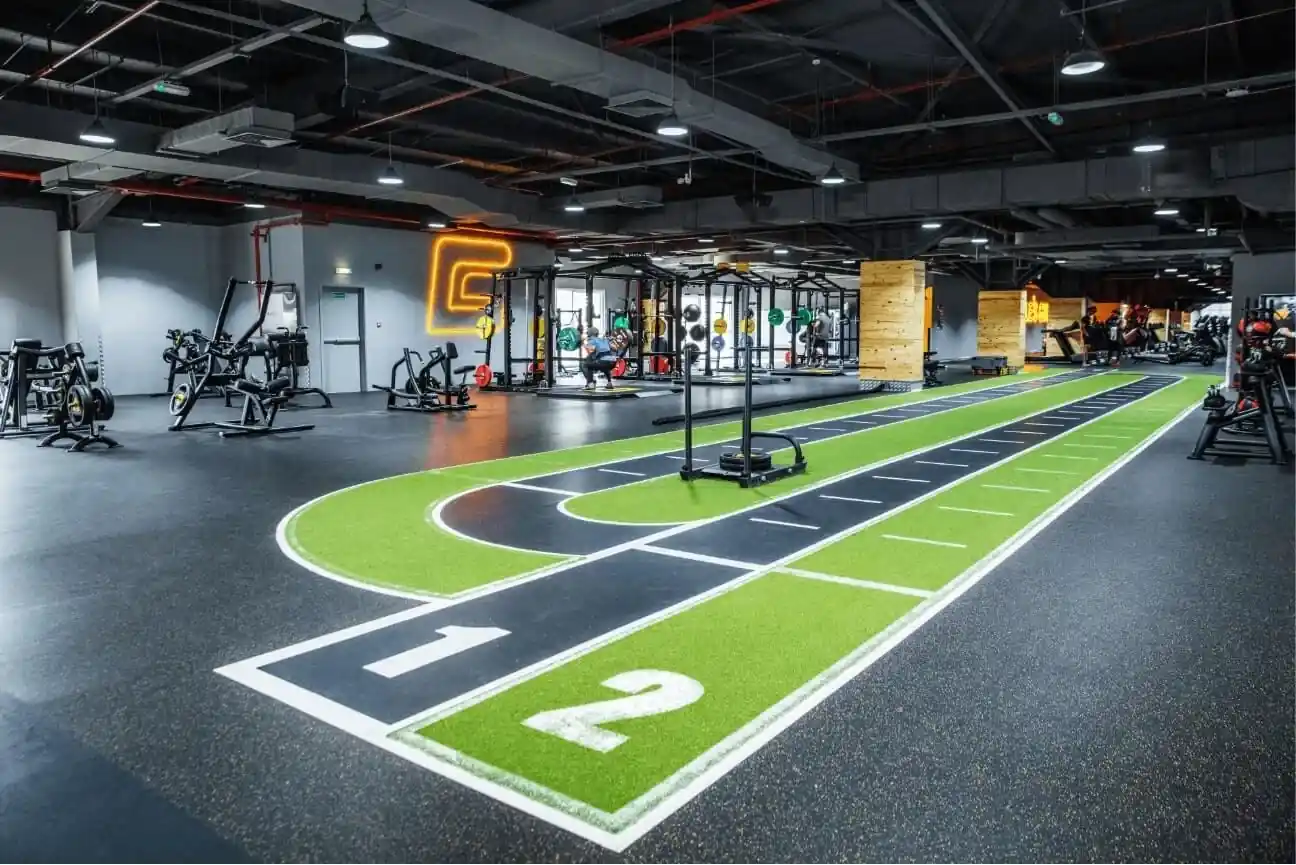
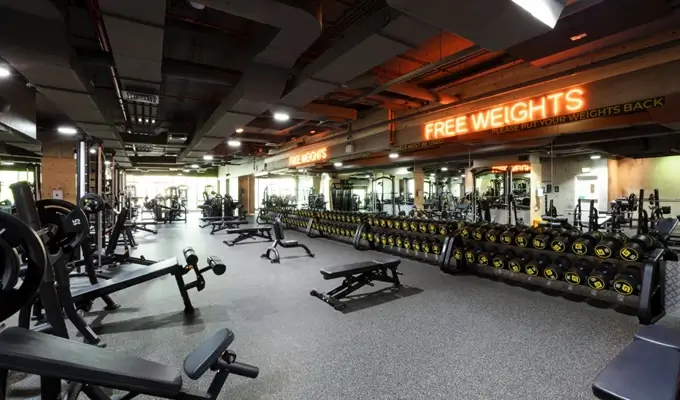
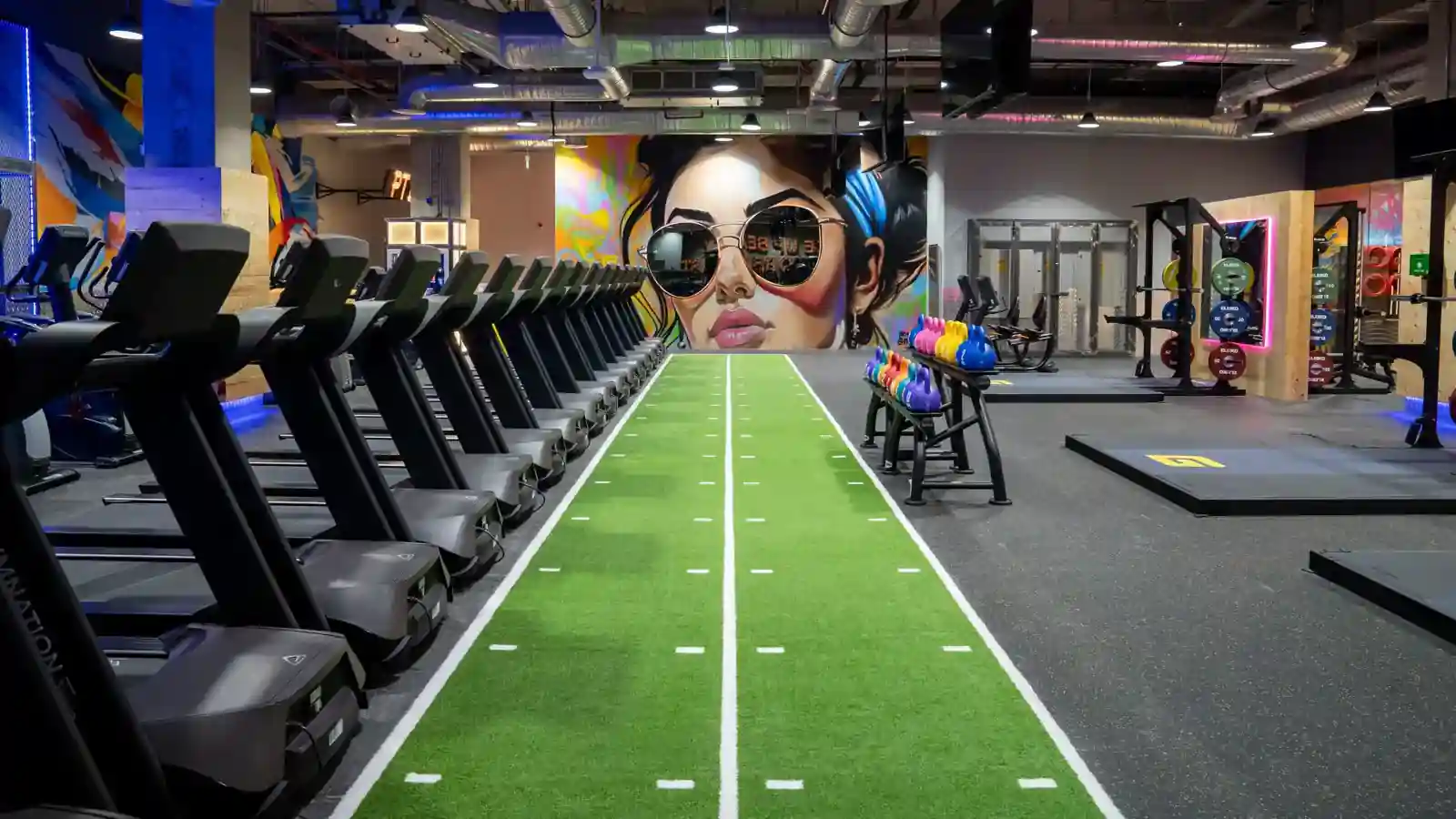
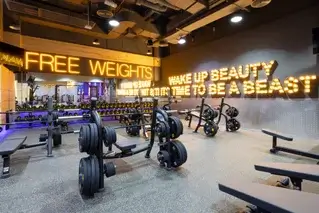
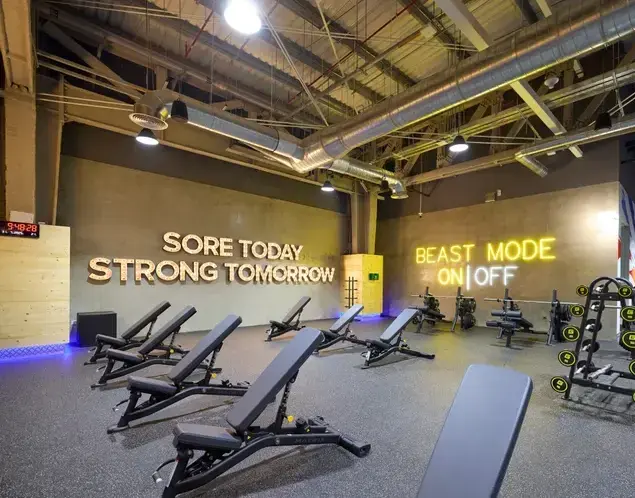
If you train in a gym like Gyms in the UAE, you can easily plug this exercise into a larger full-body routine that also includes pushing, pulling and basic carries.
How to fit it into a weekly routine for older adults
For many people over 60, a realistic structure is:
An example week might look like:
Research shows that even once-weekly supervised strength and balance training can help slow age-related decline in mobility and strength in older adults.
The goal is not perfection. It is consistency.
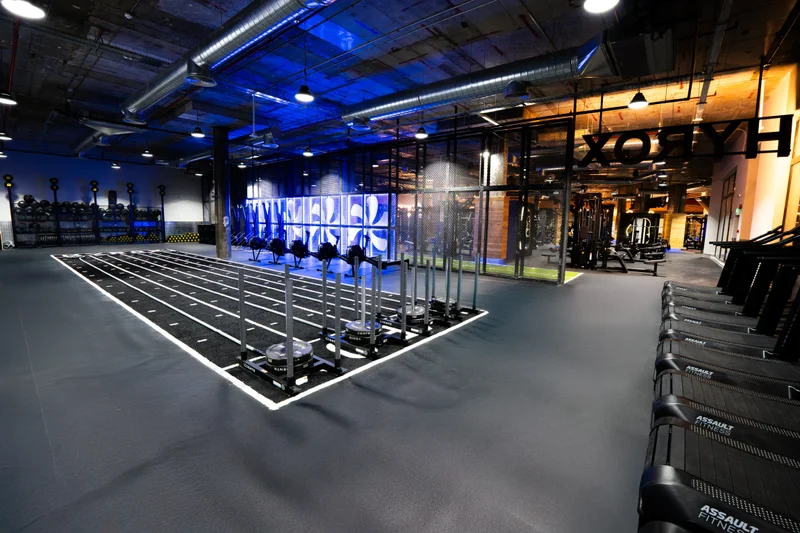
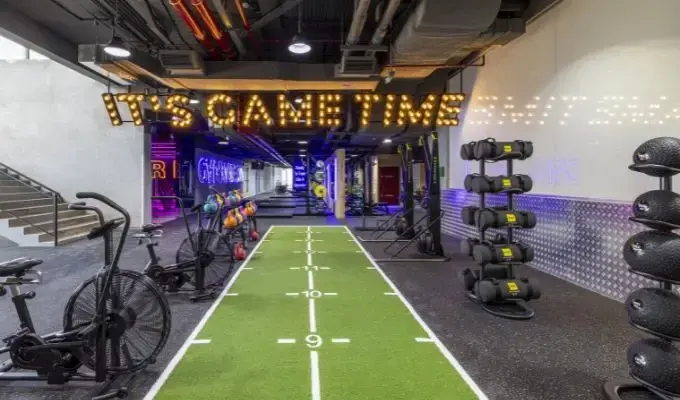
If you prefer structured guidance, using this move inside professionally designed programs at facilities like gyms in Dubai can give you coaching and progressions that match your current level.
Source: tomsguide.com
The opinions shared in the blog articles are solely those of the respective authors and may not represent the perspectives of GymNation or any member of the GymNation team.











































 WHATSAPP
 EMAIL
EMAIL
 SHARE VIA
 Poll
Poll