



















































Why More Women Should Lift Weights (and Feel Good Doing It)

SIGN UP FOR YOUR FREE DAY PASS TODAY!
 WHATSAPP
 EMAIL
EMAIL
 SHARE VIA
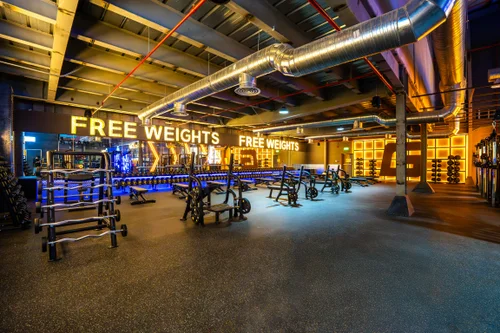
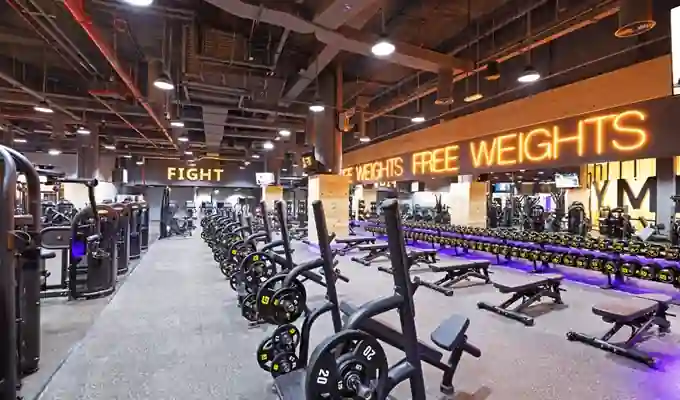
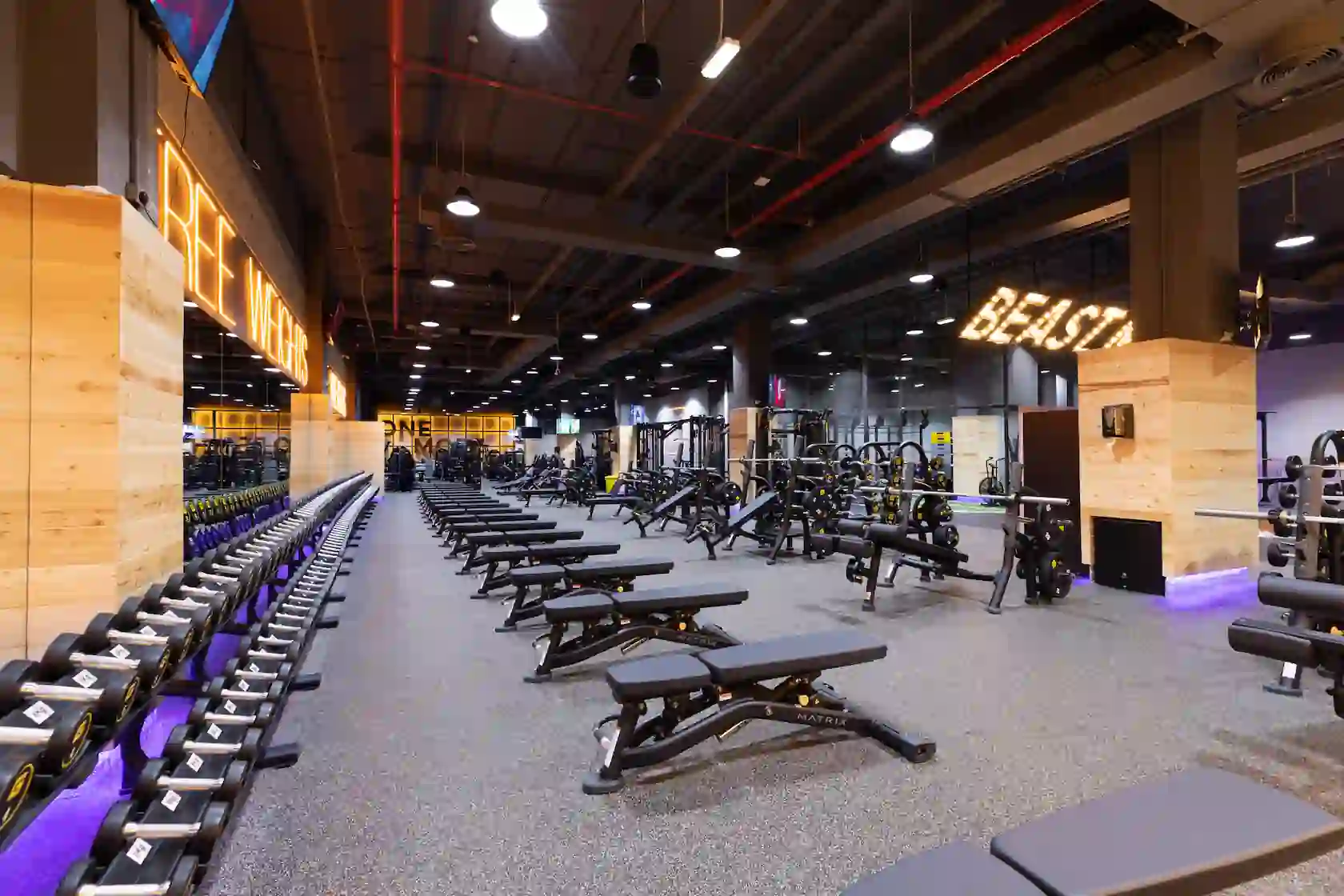
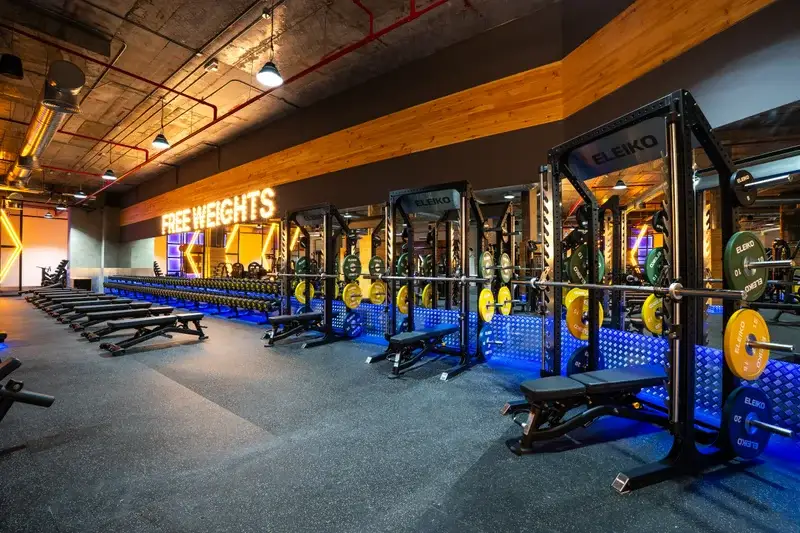
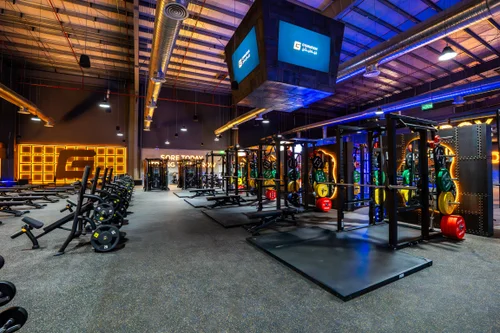
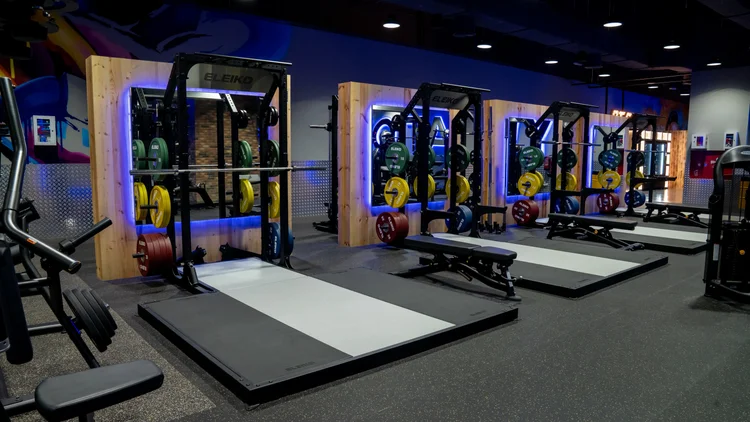
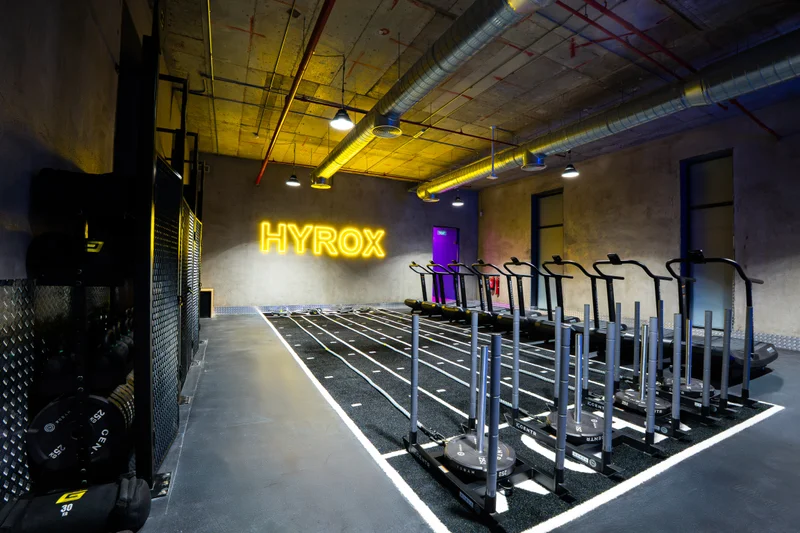
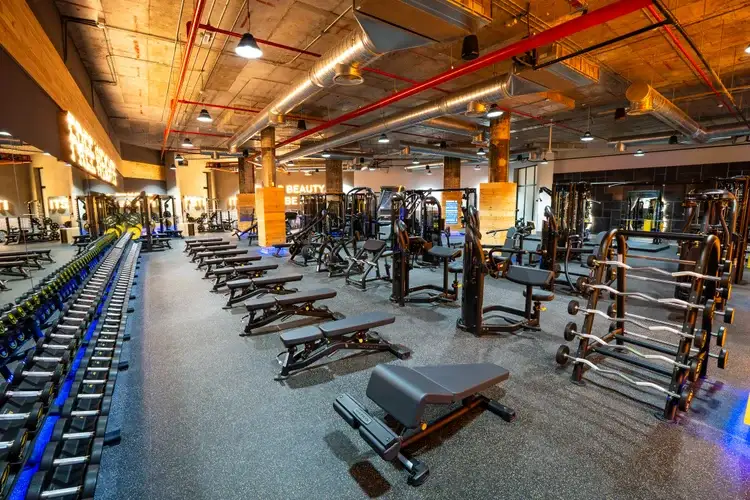
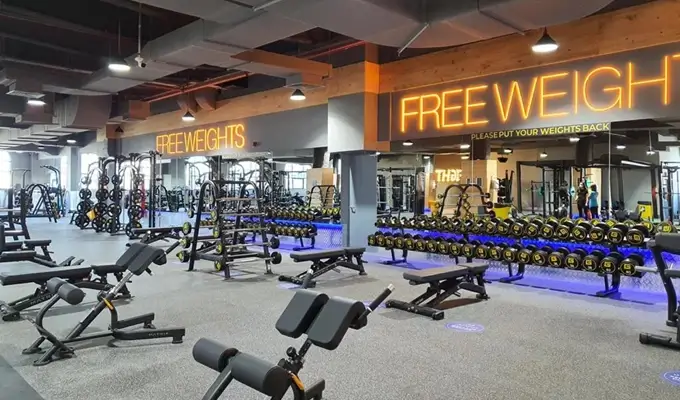
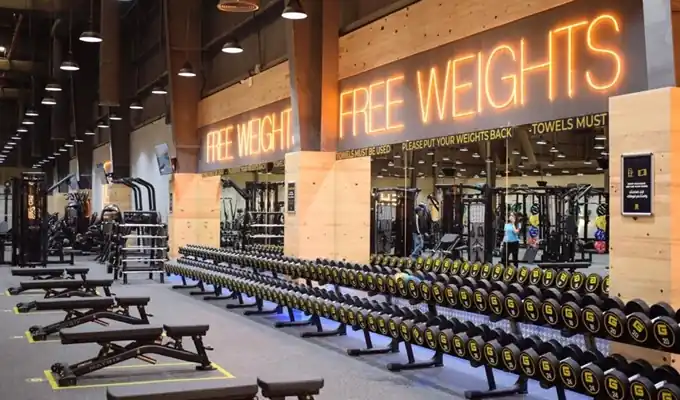
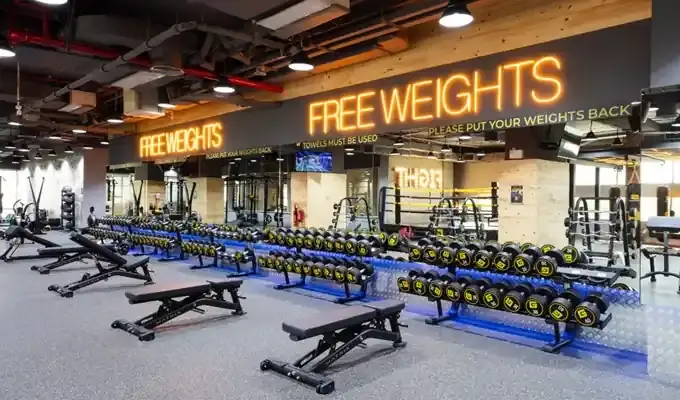
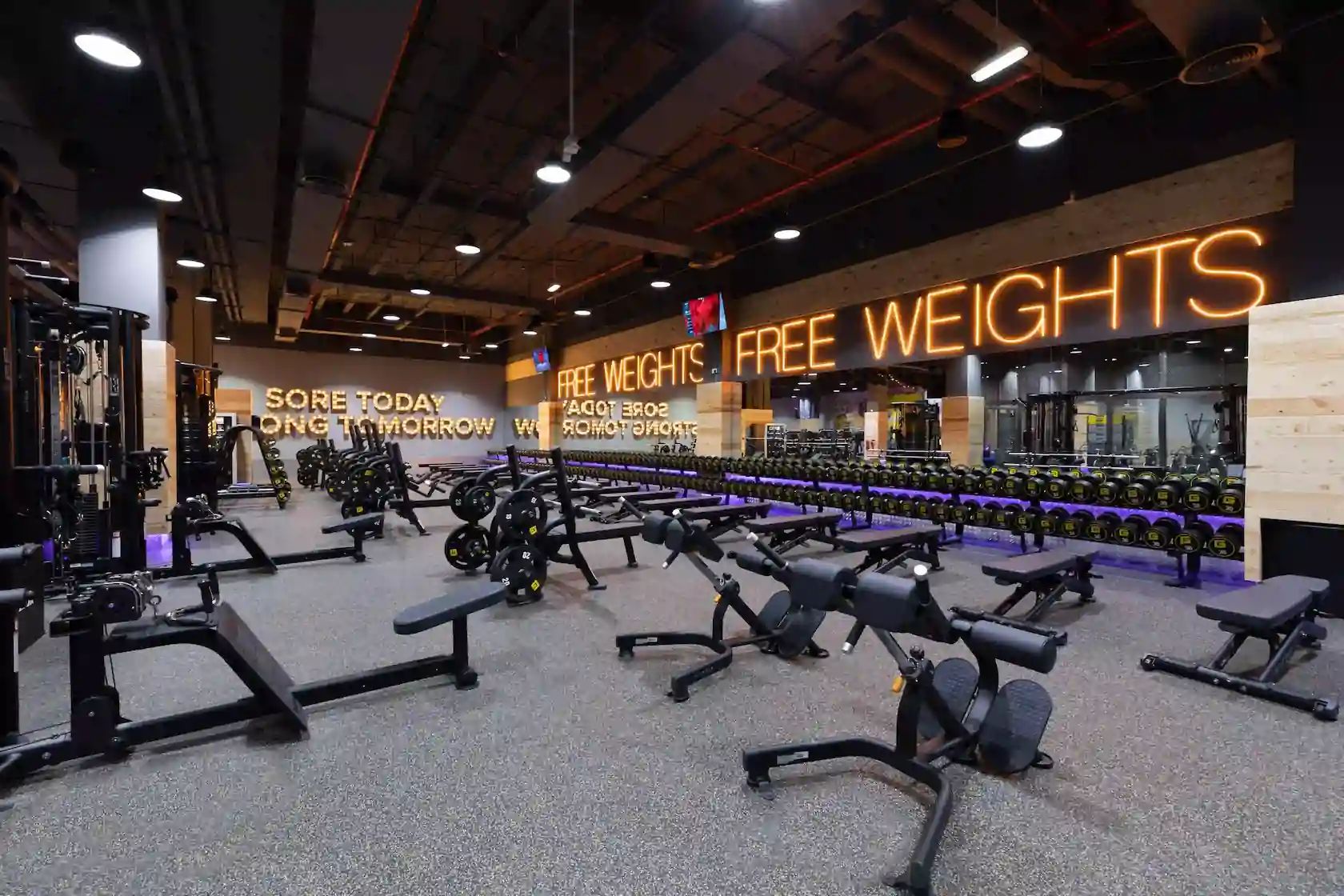
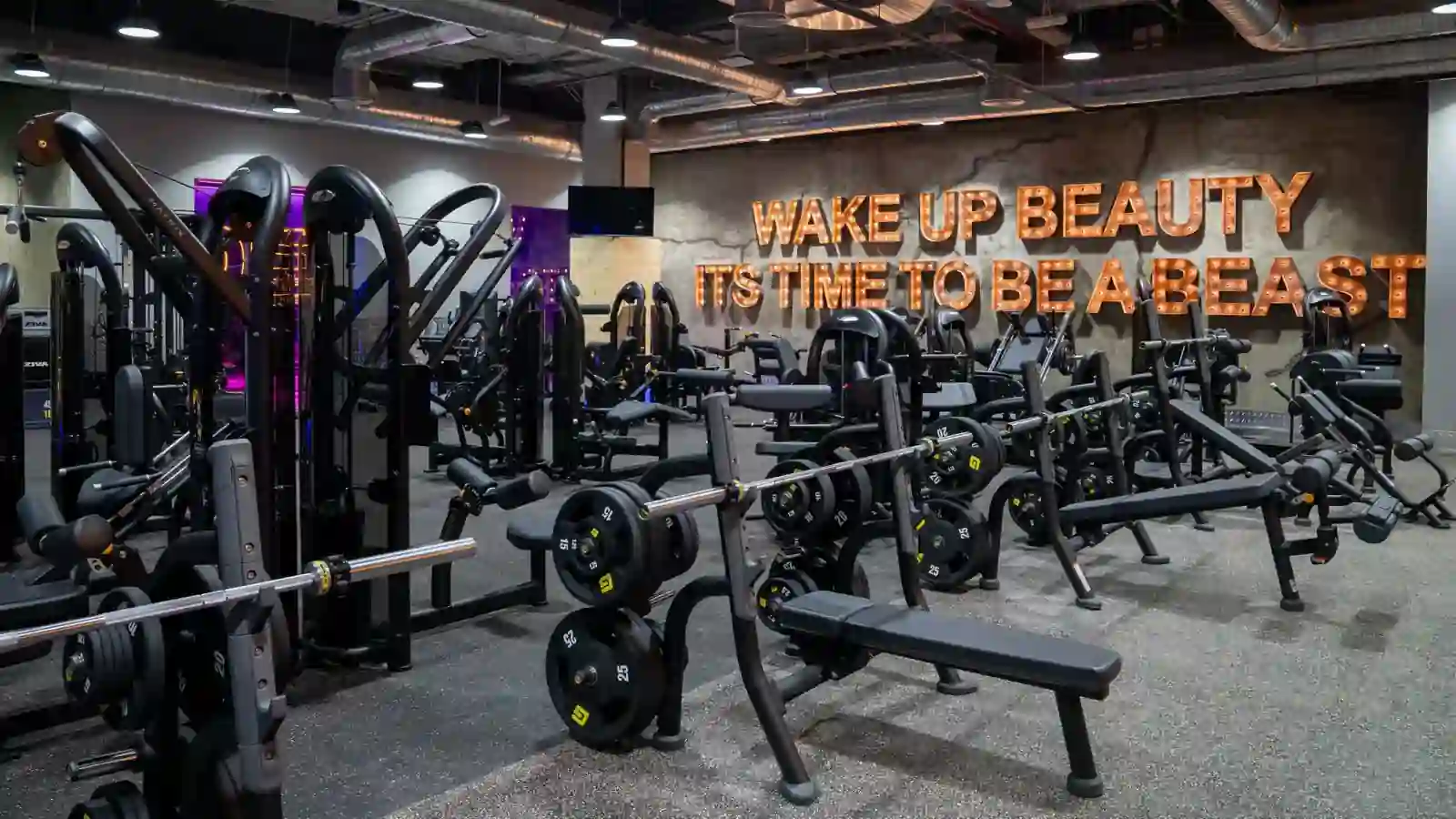
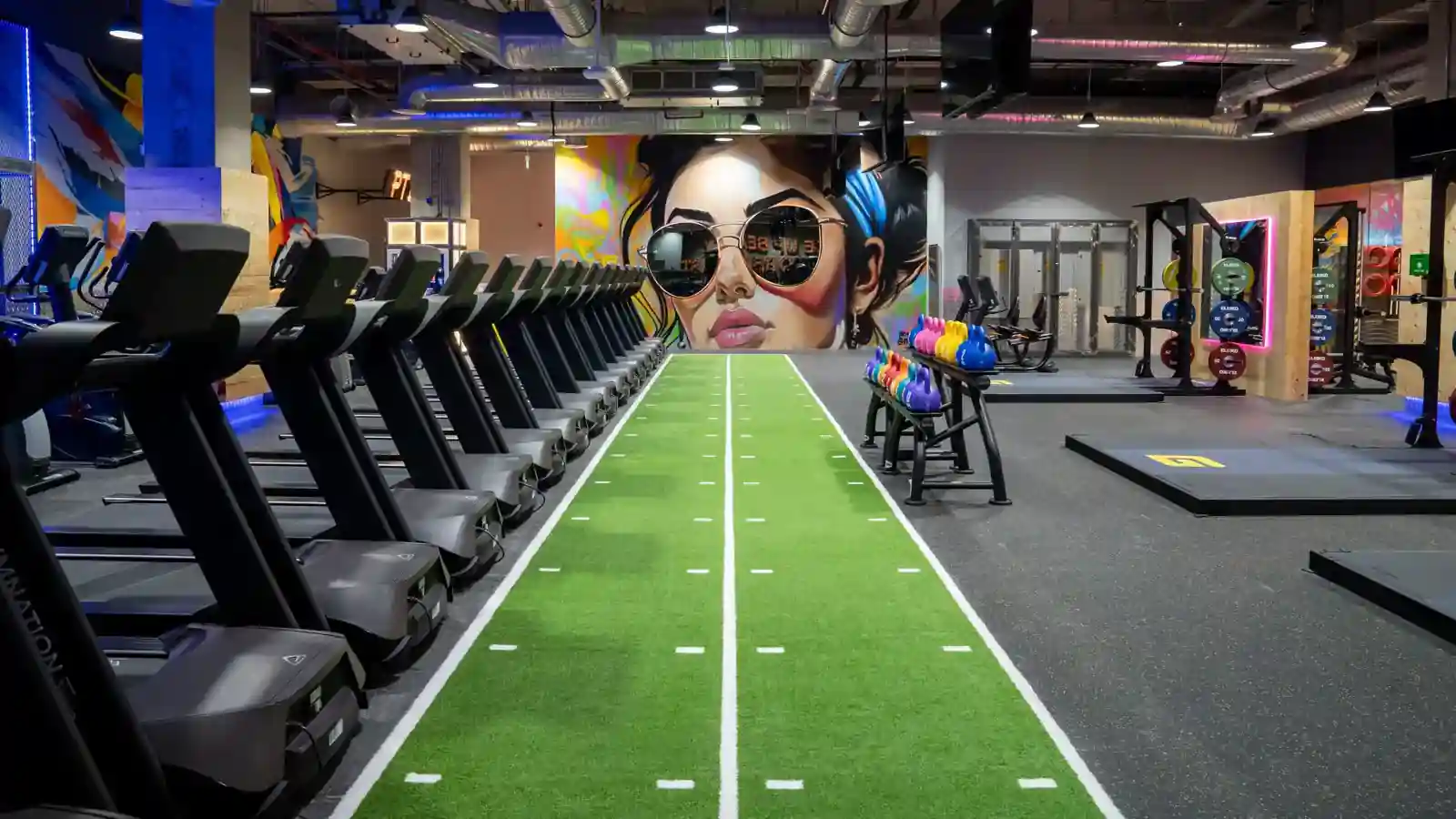
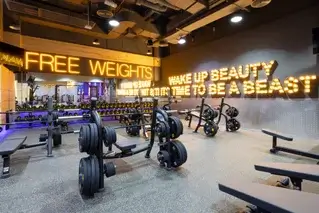
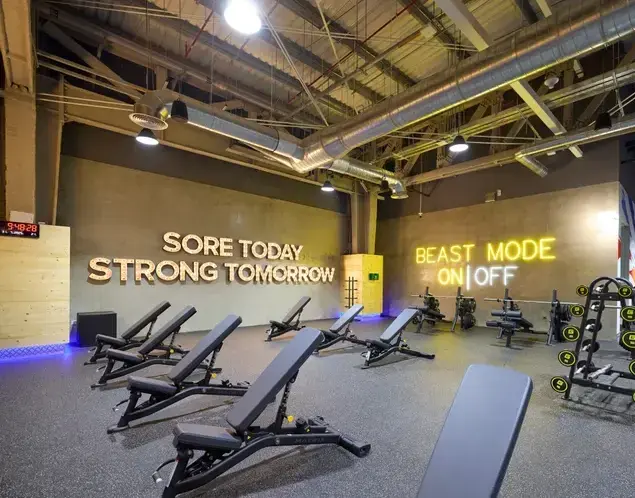
Walk into many weight rooms and you’ll still see the same pattern: men at the racks and platforms, women drifting to cardio or lighter equipment. Not because women cannot lift, but because the space often feels unfamiliar, intimidating, or like you’re being watched.
That gap matters. Doctors and exercise experts are pushing for more women to do resistance training because it supports long-term health in ways cardio alone cannot, from mobility and blood pressure to bone strength as you age.
 Poll
PollWhat's your go-to workout time?
Why doctors are encouraging women to strength train
Resistance training is not just about aesthetics. Experts point to benefits that are especially relevant for women over time, including:
- Better long-term mobility and everyday strength
- Support for heart health and healthy blood pressure
- Protection against age-related muscle loss
- Added support for bone health, including osteoporosis risk
Public health guidelines also back it up: adults should include muscle-strengthening activity involving major muscle groups on 2 or more days per week.
The biggest barrier is not ability, it’s the experience
Many women avoid weights for reasons that have nothing to do with motivation:
- Feeling out of place in a male-dominated weight room
- Not knowing where to start, what equipment does, or “gym etiquette”
- Body self-consciousness, especially when returning to exercise
- The old stigma that being “smaller” is the goal, and lifting will make you “bulky”
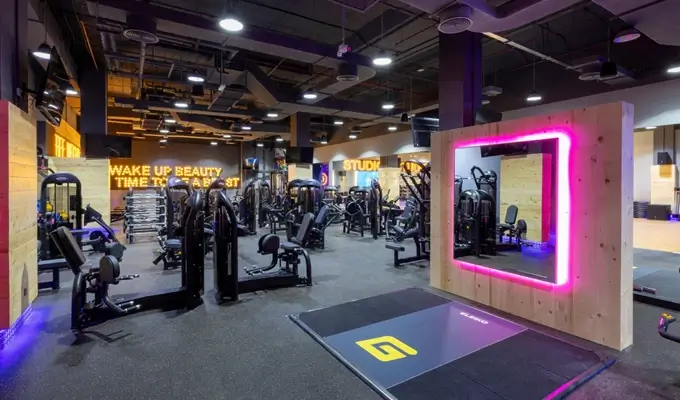
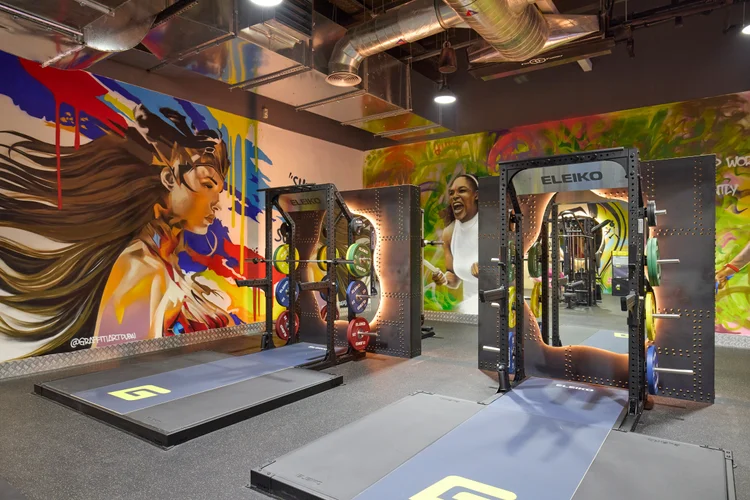
This is why education and environment matter. When the gym feels welcoming and women are shown how to lift confidently, participation rises and representation grows.
Myth check: “Lifting will make me bulky”
This one keeps too many women stuck in the cardio-only loop.
As exercise experts note, it’s difficult for most people to gain a large amount of muscle quickly, and women typically have lower testosterone levels than men, which makes dramatic size changes even less likely.
If you ever feel you’re moving in a direction you do not like, training volume and intensity can be adjusted.
A beginner-friendly way to start lifting weights
If you’re new, the goal is simple: learn patterns, build confidence, and repeat the basics consistently.
1) Start with two full-body sessions a week
This matches the minimum recommended frequency for muscle-strengthening work and gives your body time to adapt.
2) Pick 5 movement patterns, not random machines
Aim to cover:
- Squat pattern (sit-to-stand, goblet squat)
- Hinge pattern (hip hinge, light deadlift variation)
- Push (incline push-up, dumbbell press)
- Pull (row variations, assisted pull)
- Carry or core (farmer carry, dead bug, plank)
3) Keep the first month simple
- Choose loads you can control with clean form
- Stop with reps “in the tank” rather than grinding
- Add small progress only when technique feels steady
4) Use coaching or a structured class if you feel lost
A coached strength format can remove the guesswork and make the weight room feel more familiar. If you prefer guided sessions, Strength Development classes can be a practical entry point because the structure and coaching help you learn safely while building confidence.
What gyms can do to make weights more welcoming for women
Experts consistently point to a few changes that help women actuallystick with strength training:
- Better education: real introductions to weights, not rushed walkthroughs
- Messaging that focuses on feeling strong and capable, not “perfect bodies”
- More representation and community so women do not feel like the exception
- Practical support like on-site childcare
- Options like women-only spaces for those who focus better without men around
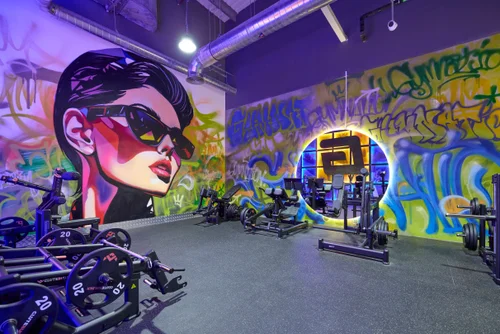
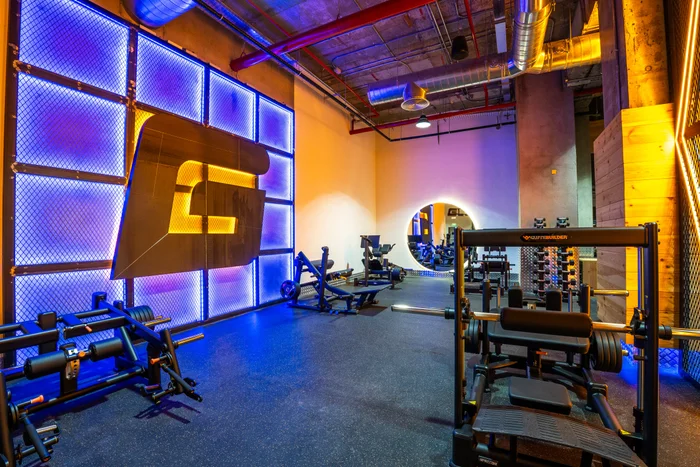
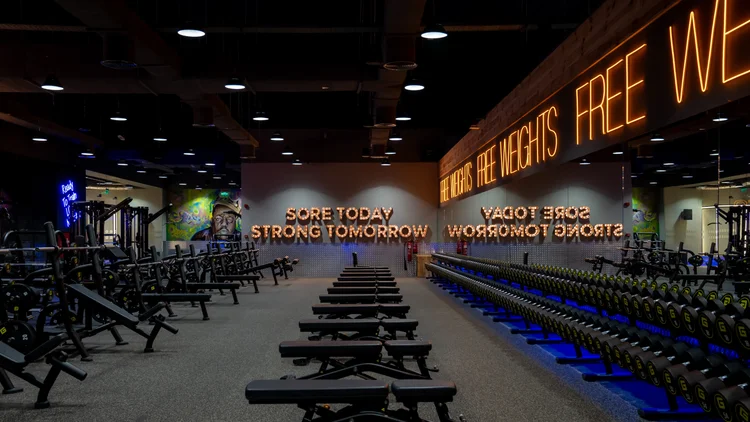
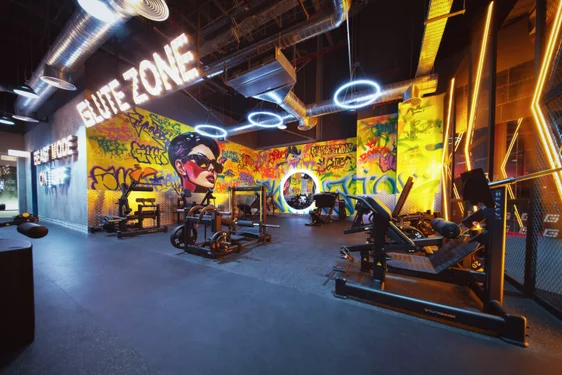
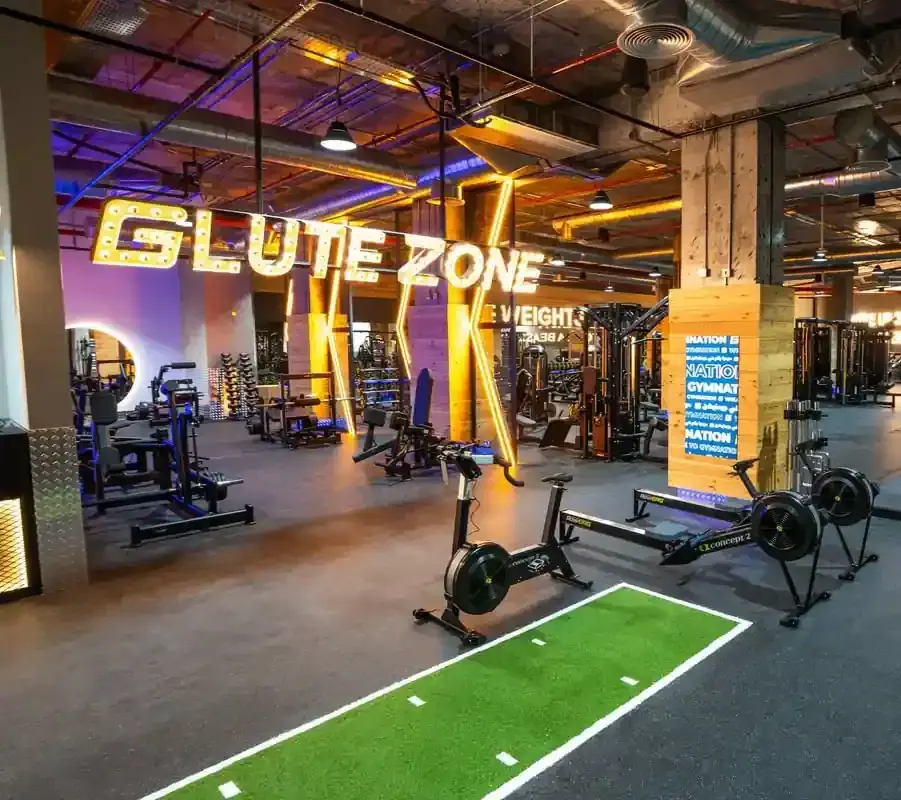
Even small shifts in culture, coaching, and layout can turn the weight room from “not for me” into “this is where I get stronger.”
Don’t abandon cardio, upgrade your routine
Strength training does not replace cardio, Pilates, or yoga. It supports them.
Many women find they move better, feel more stable, and perform better in other workouts once they build strength. Mobility-focused sessions like Yoga classes can also complement lifting by improving range of motion and recovery.
Source: hindustantimes.com
The opinions shared in the blog articles are solely those of the respective authors and may not represent the perspectives of GymNation or any member of the GymNation team.
Top 5 FAQs about Why More Women Should Lift Weights


How often should women lift weights?
A solid starting point is 2 days per week, focusing on major muscle groups, then building up if you want faster progress.
Is strength training safe for beginners?
Yes, when you start light, learn technique, and progress gradually. If you have injuries, osteoporosis concerns, or are pregnant or postpartum, get medical guidance first.
Will lifting weights make me bulky?
Most women will not “accidentally” gain significant muscle quickly. Big size changes usually require years of targeted training, high volume, and nutrition built for growth.
What if I feel intimidated in the weight room?
Use a coached class, book an intro session, train at quieter hours, or bring a friend. Community and familiarity are major confidence boosters.
What’s the best beginner weight training workout?
A simple full-body routine built around squat, hinge, push, pull, and carry is a great foundation. Consistency matters more than variety early on.
GET YOUR FREE TRIAL TODAY