

Barbell Decline Bench Press
Barbell Decline Bench Press Overview
The barbell decline bench press is a bench press variation that places greater emphasis on the lower fibres of the pectoralis major (the inferior portion of the sternal head), while still working the triceps brachii and anterior deltoid. Pressing on a decline angle shifts tension downward compared with a flat bench, making it an effective compound movement for building lower-chest size, pressing strength, and overall chest development.
Because of the decline position, this bench press variation often allows lifters to press more weight than the flat bench or incline bench press, as the angle provides strong leverage, a shorter bar path, and reduced stress on the shoulder joint and rotator cuff. The decline version remains a subtle variation of the classic bench press, but the altered pressing angle creates greater emphasis on the lower chest while still involving the upper chest, clavicular head (to a lesser extent), and stabilisers.
Compared with the decline dumbbell bench press, decline dumbbell press, or other dumbbell bench variations, the barbell decline bench press makes progressive overload easier and increases mechanical tension. Dumbbell variations offer a greater range of motion and help correct muscle imbalances, while the barbell version remains ideal for building strength, stability, and dense lower-chest development.
A strong starting position—with shoulder blades retracted into the bench, feet secured, grip slightly wider than shoulder width, and wrists neutral—keeps the bar path consistent and prevents unnecessary strain on the elbows or shoulder joint. Using a rack for unracking and reracking the barbell increases safety when working with heavier loads.
For upper-body strength, improved pressing power, and more complete chest development, the decline bench press is one of the most effective bench press variations to build the lower chest while maintaining balanced strength across the entire pec region.
How to Perform the Barbell Decline Bench Press
-
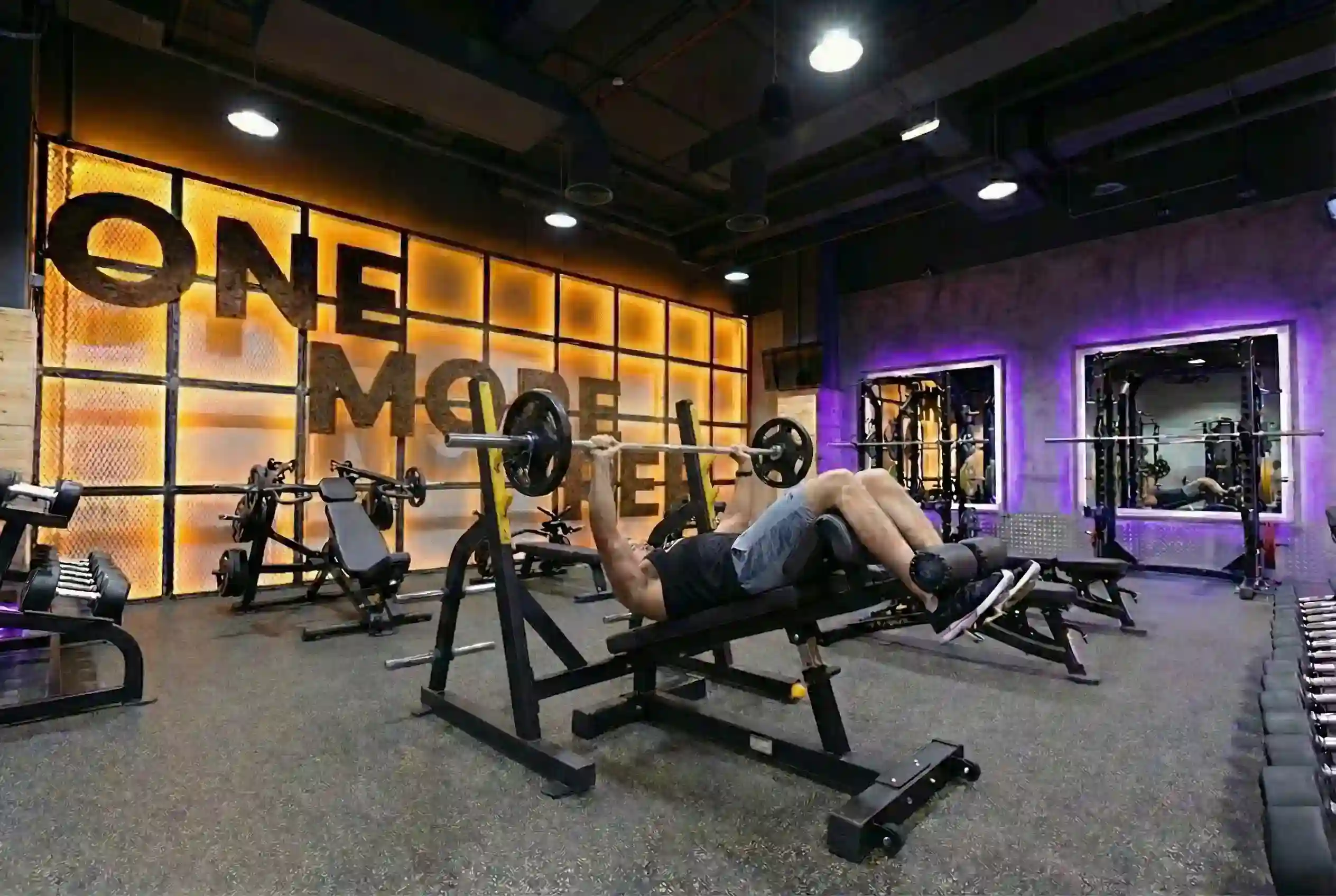
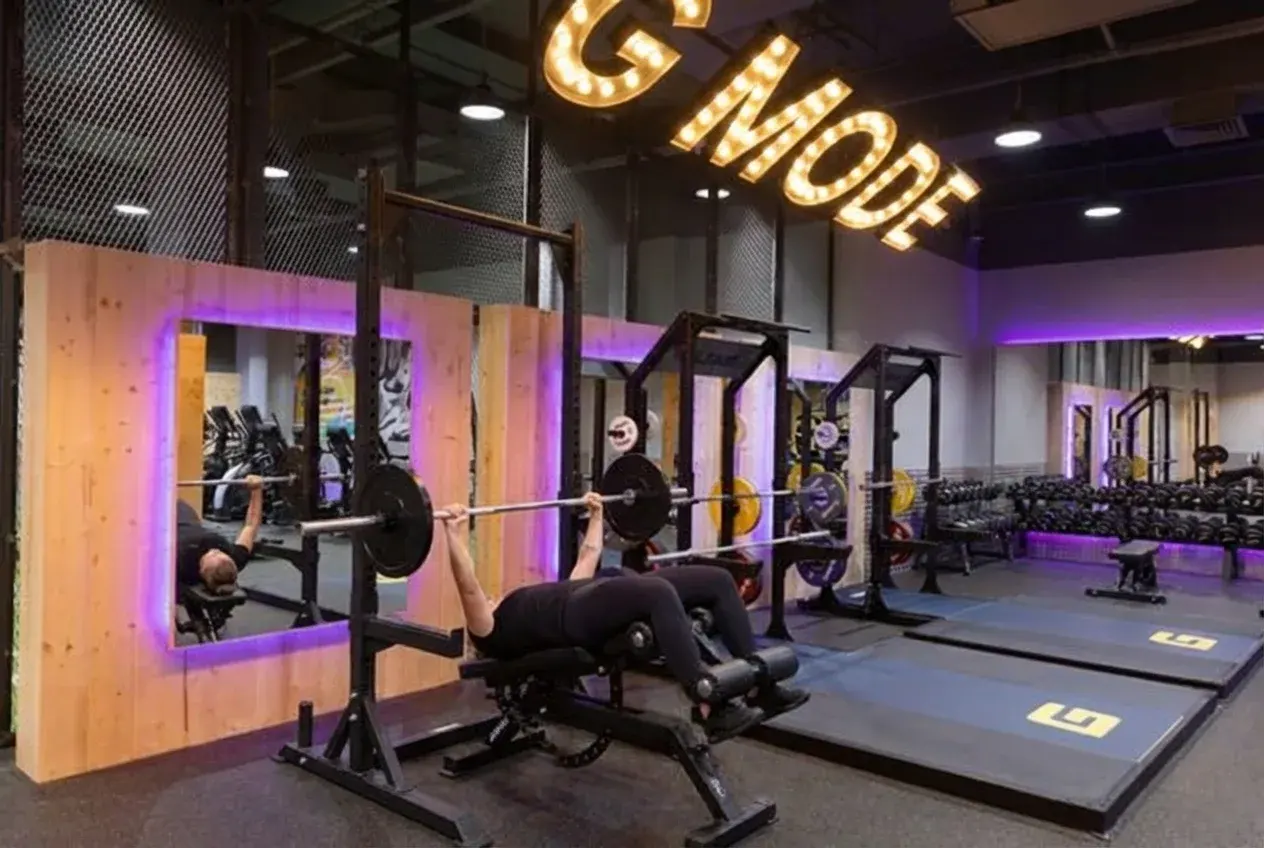
Lie on the decline bench with your feet secured and eyes positioned directly under the barbell.
-
Grip the bar slightly wider than shoulder width using a firm neutral grip or overhand grip. (Wide grip bench press variations can change muscle activation and increase shoulder strain, so use cautiously.)
-
Unrack the bar from the bench press rack and hold it above the lower chest with arms extended.
-
Slowly lower the barbell to the mid-to-lower chest, keeping elbows tucked, wrists neutral, and shoulder blades pinned back. Although the decline bench press targets the lower pecs, the biceps brachii only act as a stabiliser and the clavicular head contributes to a lesser extent.
-
Press the bar back up through the same path until arms are fully extended—without aggressive lockout or losing stability.
GymNation Tip: Maintain a consistent bar path, controlled range of motion, and solid chest activation. If the decline bench press feels awkward at first, reduce the weight and learn the position before adding more load.
Personal Trainer Notes:
-
Keep shoulder blades tight against the bench for full chest activation.
-
Never bounce the bar off your chest—lower with control.
-
Keep wrists straight, elbows tucked, and grip even.
-
Focus on pressing through the lower chest instead of letting the shoulders dominate.
-
Use a spotter when pressing heavy weight on the decline bench press—unracking and reracking feels more awkward in the decline position, and assistance reduces injury risk.
-
Maintain proper form, slow lowering, and steady tempo.
-
Prioritise rest after decline pressing sessions to support chest strength and recovery.

Benefits, Muscle Activation & Common Mistakes
Why this variation works so well:
-
Decline angle increases muscle activation in the lower pecs
-
More effective emphasis on the lower chest than flat bench press or incline press
-
Greater range control due to fixed bench angle
-
Often stronger carry-over to flat bench & pressing strength
-
Can support competitive athletes who require stronger barbell bench mechanics
-
Reduced shoulder strain for many lifters compared with flat bench press
-
Easier to maintain bar path over the lower chest
-
Helps correct strength imbalance between upper pecs and lower pec region
Common mistakes to avoid:
-
Setting the incline/decline angle incorrectly
-
Flaring elbows excessively during the movement
-
Letting the bar drift forward off the pec line
-
Losing shoulder-blade tension on the bench
-
Bouncing the bar off the chest or shortening the range of motion
-
Wrists bending backward under heavy weight
-
Rushing sets without rest, limiting strength and hypertrophy
-
Neglecting the other bench press variations (flat bench press or incline bench press), which reduces full-chest development
Adding the decline bench press alongside flat and incline pressing helps complete the upper-chest, mid-chest, and lower chest development pattern.
 WHATSAPP
 EMAIL
EMAIL
 SHARE VIA
Alternative Chest Exercises

Dumbbell Decline Bench Press
The Dumbbell Decline Bench Press focuses on the lower chest (pectorals) while engaging the triceps and shoulders (anterior deltoids). It helps shape and strengthen the lower pecs and improves pressing balance between sides. Keep your movements steady to maintain control.

Smith Decline Bench Press
The Smith Decline Bench Press is a smith machine exercise that targets your pectorals. It also recruits the anterior deltoids and triceps to keep you stable and moving well from start to finish.

Dumbbell Decline Fly
The Dumbbell Decline Fly is a dumbbell exercise that targets your pectorals. It also recruits the anterior deltoids and triceps to keep you stable and moving well from start to finish.

Decline Push-Up
The Decline Push-Up is a bodyweight exercise that targets your pectorals. It also recruits the anterior deltoids and triceps to keep you stable and moving well from start to finish.

Cable Crossover Variation
The Cable Crossover Variation is a cable exercise that targets your pectorals. It also recruits the anterior deltoids and triceps to keep you stable and moving well from start to finish.

Barbell Decline Wide Grip Press
The Barbell Decline Wide Grip Press is a barbell exercise that targets your pectorals. It also recruits the anterior deltoids and triceps to keep you stable and moving well from start to finish.

Push-up
The Push-up is a bodyweight exercise that builds strength in the chest (pectorals), shoulders (deltoids), arms (triceps), and core (abdominals).
Barbell Decline Bench Press FAQs
The barbell decline bench press targets the lower fibres of the pectoralis major (the inferior portion of the sternal head), with secondary involvement from the triceps brachii and anterior deltoid. Compared with the flat or incline bench press, the decline angle shifts tension downward, increasing mechanical loading on the lower chest fibres and making it an effective compound movement for lower-chest hypertrophy and pressing strength.
The setup on the decline bench can feel awkward, but the decline position reduces shoulder strain, improves muscle activation, and offers excellent lower-chest engagement.
Yes. Studies show the decline bench press activates the lower pecs more effectively than flat or incline bench variations, supporting balanced chest development and stronger pressing strength.
-
Beginner: 45–55 kg
-
Intermediate: 75–85 kg
-
Advanced: 100 kg+
Most lifters handle more weight on decline than flat bench because of improved leverage and joint positioning.
For many lifters, yes. Elbows stay slightly closer to the torso, reducing strain on the shoulder joint and rotator cuff.
-
Choose decline first if targeting the lower chest
-
Choose flat bench first if overall chest and pressing strength is the goal
Both belong in a complete bench press programme.
-
Strength: 3–5 × 5–8
-
Hypertrophy: 3–4 × 8–12
Highly recommended. Reracking from the decline position is more difficult than flat or incline, especially when pressing heavy loads.