

Barbell Seated Calf Raise
Barbell Seated Calf Raise Video Guide
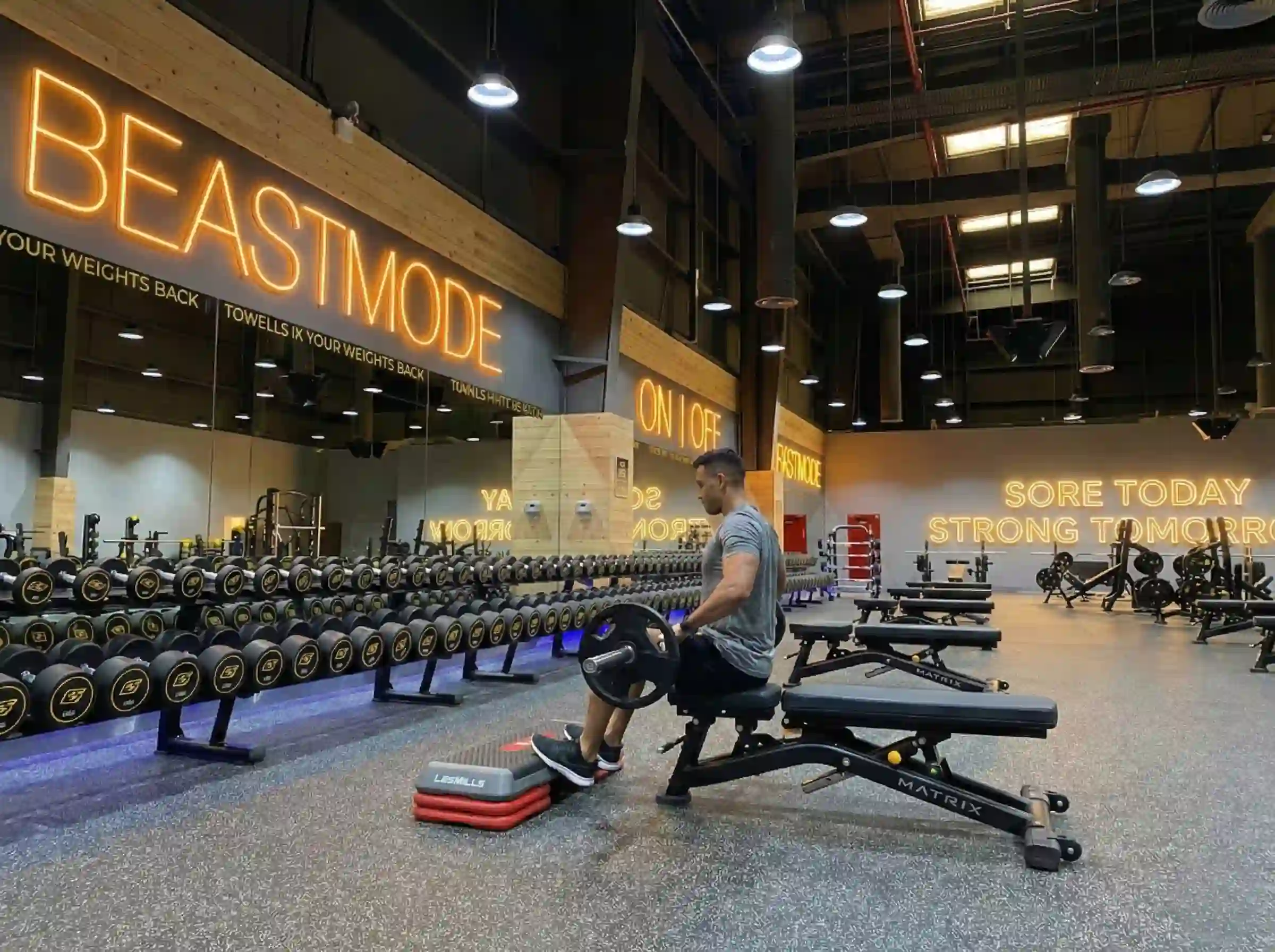
The barbell seated calf raise is a strict, lower-leg isolation exercise that emphasises the soleus muscle — the deeper calf muscle responsible for ankle stability, balance, and long-duration strength. Because the knees stay bent in the seated calf position, tension shifts away from the gastrocnemius muscle and directly onto the soleus, making it more effective than a standard calf raise for building lower-calf size and endurance.
Using a barbell across the thighs and elevating the balls of your feet on a block or weight plate increases range of motion, improves stretch, and keeps the calf muscles under constant tension. This movement can be done with free weights, seated dumbbell calf raises, or on a seated calf raise machine, making it a versatile option for any calf workout or lower-body routine focused on stability, ankle strength, and full calf development.
How to Perform the Barbell Seated Calf Raise
-
Sit on a bench and place the barbell on your thighs, securing it with your hands. This is your starting position.
-
Set the balls of your feet on a block or plate, allowing your heels to lower freely toward the floor.
-
Lower your heels slowly to feel a deep stretch through the soleus muscles. Avoid bouncing or rushing.
-
Press through your toes, lifting your heels as high as possible until your calves reach full contraction.
-
Pause briefly at the top, then slowly lower through the eccentric phase.
-
Repeat for your desired reps, maintaining full control from start to finish.
GymNation Tip: If the barbell rolls forward on your thighs, adjust foot or bench position. Controlled reps with a full stretch offer the best results.
Personal Trainer Notes:
-
Keep knees bent—this keeps tension on the soleus and prevents the gastrocnemius from taking over.
-
Move slowly on both phases; the soleus responds best to high-tension reps.
-
Use a block or plate to increase stretch and enhance calf activation.
-
Maintain a stable torso; avoid leaning forward.
-
If ankle mobility limits depth, decrease platform height.
-
A smith machine seated calf raise can improve balance if needed.
 WHATSAPP
 EMAIL
EMAIL
 SHARE VIA
Alternative Calf Exercises

Donkey Calf Raise
The Donkey Calf Raise builds both the gastrocnemius and soleus muscles for fuller, stronger calves. The bent-hip position increases the stretch for deeper activation.

Dumbbell Standing Calf Raise
The Dumbbell Standing Calf Raise strengthens the calves (gastrocnemius and soleus) while also challenging balance and coordination. It’s simple and effective anywhere.

Lever Seated Calf Raise (Plate Loaded)
The Lever Seated Calf Raise (plate loaded) isolates the soleus (lower calves) through controlled seated motion. It’s great for strength and endurance development in the lower leg.

Lever Standing Calf Raise
The Lever Standing Calf Raise strengthens the gastrocnemius and soleus muscles for improved power, balance, and definition. The standing position targets the upper calves most effectively.

Sled 45 Calf Press
The Sled 45 Calf Press works the calves (gastrocnemius and soleus) using heavy resistance. It allows powerful contraction and full range without loading the spine.

Barbell Standing Leg Calf Raise
The Barbell Standing Leg Calf Raise strengthens the gastrocnemius (upper calf) for improved power and definition. It also enhances ankle stability and balance.

Smith Standing Leg Calf Raise
The Smith Standing Leg Calf Raise builds the gastrocnemius for powerful and well-shaped calves. The Smith machine provides stability for controlled lifting.

Weighted Donkey Calf Raise
The Weighted Donkey Calf Raise targets both the gastrocnemius and soleus. The bent position enhances stretch and muscle recruitment for fuller calf development.

Single Leg Calf Raise Off Step
The Single Leg Calf Raise Off Step isolates each calf individually, improving balance and preventing strength imbalances. It builds both the gastrocnemius and soleus for complete calf strength.
Barbell Seated Calf Raise FAQs
Yes — this variation isolates the soleus more effectively than standing calf raises, improving ankle stability and overall calf strength.
Bouncing at the bottom. This removes tension and increases injury risk. Slow, deliberate movement builds better calf muscles.
Sit with the barbell on your thighs, toes elevated, lower your heels fully, then lift as high as possible while keeping the movement slow and controlled.
Aim for 12–20 reps per set. The soleus responds best to high-rep, controlled training.
They mainly target the lower calf (soleus). Combine with standing calf raises for full calf development.
Yes — it’s beginner-friendly. Start with lighter weights and increase gradually.
Both work. A seated calf raise machine provides more stability; a barbell seated calf setup is a great alternative using minimal equipment.