


















































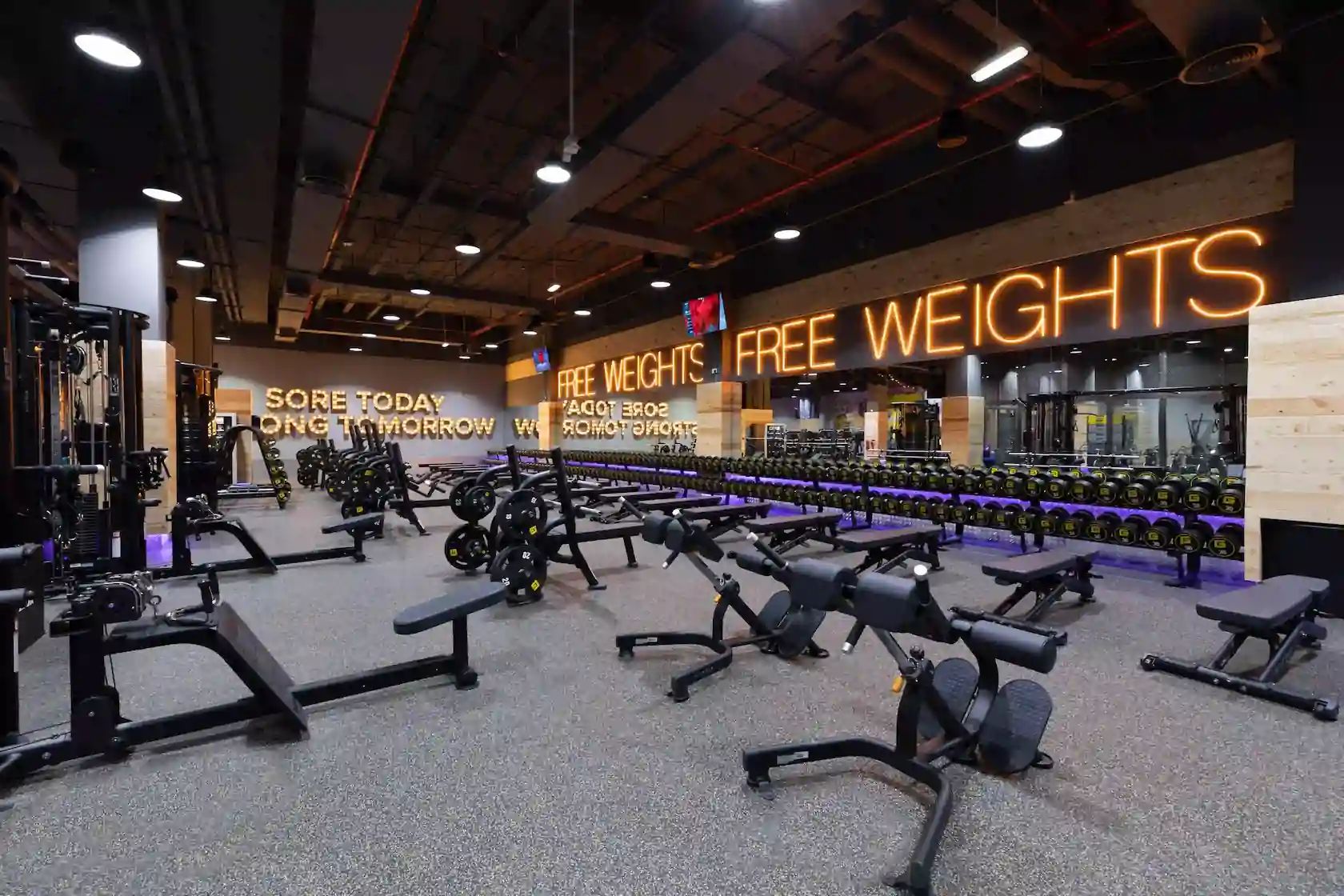































A 20-minute daily workout habit that actually sticks

SIGN UP FOR YOUR FREE DAY PASS TODAY!
 WHATSAPP
 EMAIL
EMAIL
 SHARE VIA
If you’ve ever tried intense fitness challenges, crushed them, then drifted right back to “no routine,” you’re not alone. One busy dad’s breakthrough wasn’t a new program or perfect motivation. It was choosing a small daily target he could repeat anywhere, then making it non-negotiable.
In a Business Insider “as told to” story, Skye Mackintosh (29, father of two) said he struggled with consistency despite doing extreme challenges like 75 Hard and even running an ultramarathon with limited training. His turning point was committing to 20 minutes of bodyweight exercise every day and posting it publicly for accountability.
 Poll
PollWhat's your go-to workout time?
Why 20 minutes works when bigger plans fail
Most people don’t quit because the workout is “too hard.” They quit because it’s too fragile. It breaks the moment life gets busy.
Mackintosh chose 20 minutes because 30 wasn’t always realistic and 10 didn’t feel like enough, and he believed 20 minutes would remain possible no matter what changed in work or family life.
That logic is powerful: when the goal is realistic, you rack up wins, and wins create momentum.
Step 1: Pick moves that hit the “big rocks”
He started with push-ups and jump squats because they were simple, required no gym, and targeted major muscle groups.
That’s the right idea for most beginners: pick movements that train the whole body with minimal setup.
Strong starting options:
-
Push-up variation (incline, standard, knee)
-
Squat or split squat
-
Hinge pattern (hip hinge, glute bridge)
-
Row or pull variation (bands, TRX, pull-up bar)
-
Core stability (dead bug, plank, rollout)
Step 2: Progress without making it complicated
As his posts gained traction, commenters warned him about posture and injury risk if he didn’t train more balanced patterns. Around day 35, he added one back exercise and one core exercise.
That’s smart progression: add what’s missing, not random extras.
Later, he adjusted his week to avoid plateauing, moving from full-body daily to a simple split (upper body 3 days, lower body + core 2 days), with a light day midweek and a full rest day.
If you want a structured option that still fits busy schedules, pairing short strength sessions with a coached class can help. Try Strength Development for progressive strength training basics.
Step 3: Use minimal equipment to keep training interesting
He kept the routine accessible, adding only a kettlebell and a pull-up bar, plus a few small items he received as his account grew.
That’s a great model: small upgrades that expand exercise choices without turning your home into a full gym.
A practical “tiny equipment” shortlist:
-
Pull-up bar (or bands + door anchor)
-
One kettlebell or pair of dumbbells
-
Ab wheel (optional, if your core tolerance is ready)
Step 4: Nutrition that supports the habit, not perfection
He didn’t want to overcomplicate eating. His focus was whole foods and hitting a protein target of 185 grams per day.
Your exact number will differ, but the principle holds: when time is tight, prioritize protein and minimally processed meals.
To estimate a realistic daily target based on your goal and body stats, use the Nutrition Calculator.
What changes when you stay consistent
His results weren’t just aesthetic. He reported:
-
Enjoying workouts by weeks 4–6
-
Getting stronger and faster at the same work (a day-1 workout that took ~15 minutes later took ~5)
-
Pull-ups improving from 2 reps to 15, plus added load with a 10-lb vest
-
Better sleep and confidence
That’s the real payoff of a daily routine: your capacity rises, and life feels easier to handle.
A simple 20-minute bodyweight plan you can repeat
Use this template 5–6 days per week. Keep it simple for 2–4 weeks before adding complexity.
Warm-up (2 minutes)
Air squats, shoulder circles, brisk march, light mobility.
Main work (16 minutes)
Rotate these as a circuit, steady pace:
-
Push-ups (or incline push-ups)
-
Squats or split squats
-
Row/pull (band row or pull-up negatives)
-
Core (plank, dead bug, rollout progression)
Aim to add one small progression each week:
-
1–2 extra reps per round, or
-
slightly harder variation, or
-
shorter rest.
Cool down (2 minutes)
Easy breathing + light stretching.
Want a higher-intensity version that’s still time-efficient? CrossHiit is built for short, effective sessions.
The mindset that makes it sustainable
His best advice was simple: start, keep it simple, and focus on today. If 20 minutes feels like too much, start with 10 or even 5.
That’s how habits are built: consistency first, intensity later.
Source: businessinsider.com
The opinions shared in the blog articles are solely those of the respective authors and may not represent the perspectives of GymNation or any member of the GymNation team.
Top 5 FAQs about A 20-minute daily workout habit that actually sticks


Is 20 minutes of exercise a day enough to get results?
Yes, if you’re consistent and progressively challenge the movements over time.
What’s the best 20-minute workout for busy people?
A repeatable full-body circuit: push, squat, pull, core, done at a steady pace with small weekly progressions.
Do I need equipment for a daily bodyweight plan?
No. But a pull-up bar or resistance band can improve balance (especially for back training).
How many days per week should I do a 20-minute routine?
Most people do well with 5–6 days plus at least one full rest day, especially at the start.
What if I keep falling off after “challenge” programs?
Lower the daily target until it’s realistic, then build up. Consistency beats intensity bursts.
GET YOUR FREE TRIAL TODAY