
















































Gen X: Time to Ditch Punishment Workouts and Train for Longevity

SIGN UP FOR YOUR FREE DAY PASS TODAY!
 WHATSAPP
 EMAIL
EMAIL
 SHARE VIA
If you’re in your 40s or 50s, “go hard or go home” stops being a badge of honour and starts becoming a fast track to aches, nagging injuries, and stop-start motivation. The goal now is not to survive workouts. It’s to build a body that stays strong, mobile, and resilient for the next decade and beyond.
According to insights shared in the Health of the Nation survey coverage, Gen X Australians increased their weekly exercise time, but many are still choosing training styles that do not always support recovery and long-term joint health. The better move is to keep consistency, then shift the focus toward strength with intent, mobility, and recovery.
 Poll
PollWhat's your go-to workout time?
The biggest misconception: pain is “just getting older”
It’s not. Persistent aches usually come from one of two issues:
-
doing too much of the wrong thing (poor technique, too much impact, too much volume)
-
not doing enough of the right thing (smart strength, mobility, recovery)
Well-structured strength training often reduces pain because it improves joint support, posture, and movement control.
What Gen X training should prioritise
Chris Nelson (Anytime Fitness PT, per the article) frames midlife training as the busiest life stage: careers, teenagers, ageing parents. That means workouts must be efficient, purposeful, and realistic.
Your priorities:
-
Maintain and build muscle
-
Support joint health and mobility
-
Protect cardiovascular fitness
-
Recover well enough to stay consistent
Women: progressive resistance matters
Progressive resistance training supports bone density and helps manage the training challenges that can come with hormonal changes through perimenopause and beyond.
Men: stop ego lifting
The win is not the heaviest rep you can grind out with poor form. The win is training that protects shoulders, hips, knees, and posture while still building strength.
The “everyday strength” muscles that matter most
If you train only what looks good in the mirror, you miss what keeps life easy.
Focus on:
-
Glutes and hips to protect knees and lower back
-
Core stability for lifting, carrying, and posture
-
Upper-back strength for shoulders and alignment
-
Single-leg work for balance and injury prevention
When these are strong, daily tasks feel easier, and sport feels more confident.
A simple weekly plan for strength, cardio, and recovery
Nelson’s guideline is clear and realistic:
Strength (non-negotiable)
2–3 full-body sessions per week
A practical strength prescription:
-
2–4 sets
-
6–10 reps
-
controlled tempo and clean technique
If you prefer guided programming that builds strength progressively without guesswork, try Strength Development.
Cardio (supportive, not punishing)
1–2 sessions per week, rotating options like:
-
walking or incline walking
-
cycling
-
swimming
-
intervals (if your joints and recovery tolerate it)
Mobility and recovery (your performance multiplier)
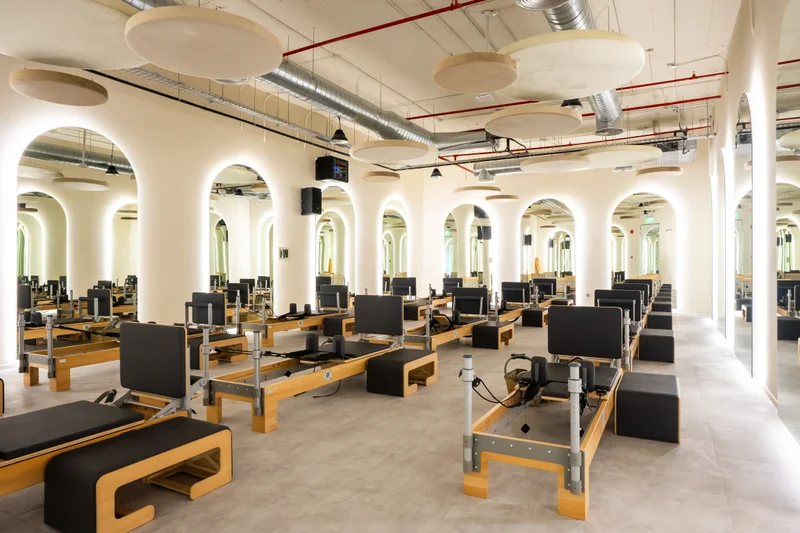
Add 1–2 lower-intensity sessions focused on mobility, breathing, and control. A strong option is LES MILLS BODYBALANCE.
How to make this work when life is busy
-
Keep sessions to 35–55 minutes and start on time
-
Train full-body, not “body part splits” that require five gym days
-
Track soreness and sleep, then adjust volume before you break down
-
Aim for repeatable weeks, not perfect weeks
Source: bodyandsoul.com.au
The opinions shared in the blog articles are solely those of the respective authors and may not represent the perspectives of GymNation or any member of the GymNation team.
Top 5 FAQs about Time to Ditch Punishment Workouts and Train for Longevity


Should Gen X train less as they get older?
Not necessarily. Most people do better training smarter: fewer junk sessions, more quality strength, better recovery.
How many strength sessions per week are ideal in midlife?
A reliable target is 2–3 full-body strength sessions per week, with progressive loads and clean form.
What rep range should I use for longevity-focused strength?
A practical guideline is 6–10 reps for 2–4 sets, focusing on tempo and technique rather than max effort.
Is cardio enough for longevity?
Cardio supports heart health and stress, but strength is what preserves independence and protects joints as you age.
Are aches and pains unavoidable in your 40s and 50s?
No. In many cases, pain improves when you reduce the wrong training stress and build strength, mobility, and recovery properly.
GET YOUR FREE TRIAL TODAY