







































Wellness Trends for 2026: What’s Actually Worth Your Attention?

SIGN UP FOR YOUR FREE DAY PASS TODAY!
 WHATSAPP
 EMAIL
EMAIL
 SHARE VIA
The wellness world is moving fast. In 2026, the loudest trends won’t just be about training harder. They’ll be about training smarter, recovering better, and using tech to personalise what you do, without turning your life into a science experiment.
 Poll
PollWhat's your go-to workout time?
Here’s what experts are predicting for the year ahead, plus how to use these ideas in a way that improves your fitness instead of distracting you from it.
The big shift: “recovery” becomes the main event
For years, recovery was treated like a bonus if you had time. In 2026, it’s being positioned as a reason to go to a gym or wellness space in its own right.
1) Robot-assisted massage goes mainstream
Massage chairs and percussion tools helped, but the next wave is more targeted: AI-guided, body-mapped mechanical massage delivered by robotic systems. The promise is consistency, custom pressure, and easier access than booking an in-person therapist.
GymNation take: treat it like a recovery tool, not a replacement for movement quality. If your shoulders or hips always feel tight, you still need strength and mobility work alongside any massage tech.
2) “Good vibrations” for recovery
Vibroacoustic beds and sound-based recovery devices are gaining traction, aiming to support relaxation, sleep, and stress management through low-frequency vibration exposure. Research is still developing, but interest is growing in premium recovery spaces.
GymNation take: if sleep and stress are limiting your progress, start with basics first: a consistent bedtime, reduced late caffeine, and a realistic training load.
3) Sauna culture keeps rising, with contrast therapy close behind
Social sauna gatherings are booming, and gyms are leaning into heat, steam, and cold plunges as repeatable rituals for mental and physical resilience.
GymNation take: consistency beats extremes. Even if you never touch a cold plunge, regular strength training, walking, hydration, and sleep will deliver most of the “longevity” benefits people chase.
4) Electrolytes become the new post-workout staple
Hydration is being “rebranded” with stylish electrolyte powders and ready-to-drink options. For heavy sweaters or long sessions, electrolytes can be useful. For short workouts, water and balanced meals often cover it.
Want a simple way to sanity-check hydration? Use the Water Intake Calculator and build from there.
5) Hypoxic (altitude) training expands beyond elite athletes
Altitude chambers and tents that simulate low-oxygen environments are becoming more visible, aimed at endurance gains and helping mountaineers prepare without long acclimatisation trips.
GymNation take: altitude tools can be interesting, but most people will get better returns from a steady base: zone 2 cardio, strength training, and progressive overload.
6) Longevity goes mainstream
Wearables, personalised nutrition, glucose monitoring, sleep optimisation, and more education around gut-brain health are expected to grow. The theme is “better decisions from better data.”
GymNation take: track what matters. Steps, sleep time, training consistency, and weekly strength sessions will beat obsessing over niche biomarkers.
7) Mitochondria, vagus nerve, and nervous-system “tuning”
Expect more talk about cellular energy (mitochondria) and nervous-system regulation (including devices designed to stimulate the vagus nerve). The smarter messaging is also clearer: lifestyle comes first, and anything more experimental should be guided by qualified professionals.
GymNation take: if you want nervous-system benefits without gadgets, start with breathwork, walking, and managing training intensity so you recover properly.
8) Old-school bodybuilding energy returns
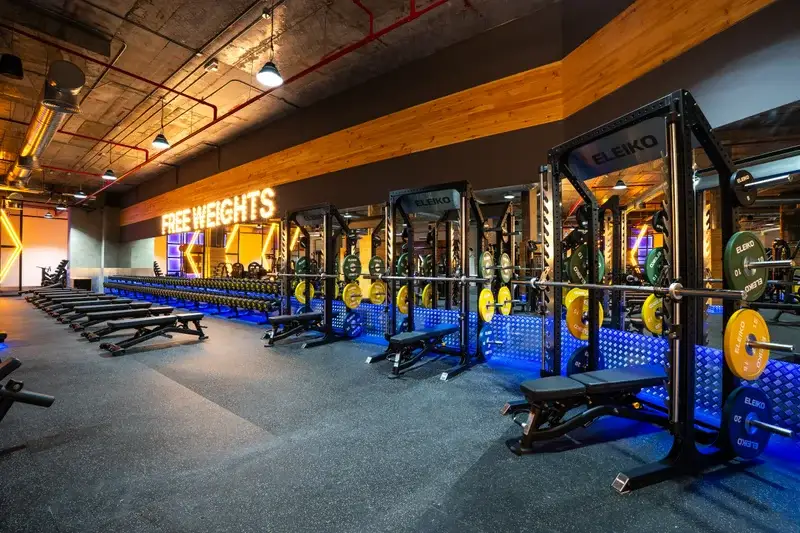
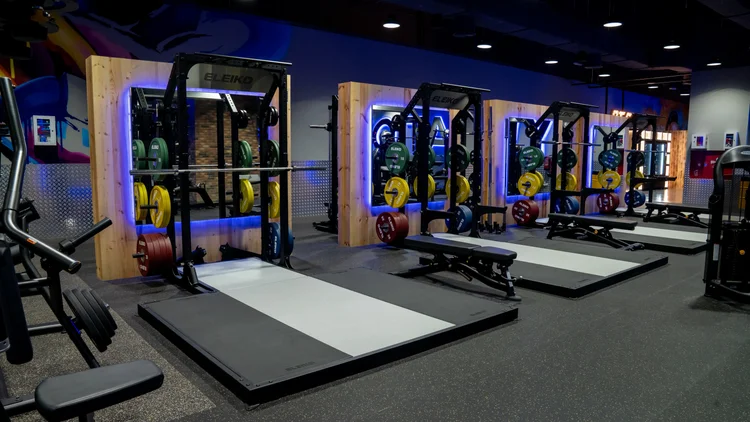
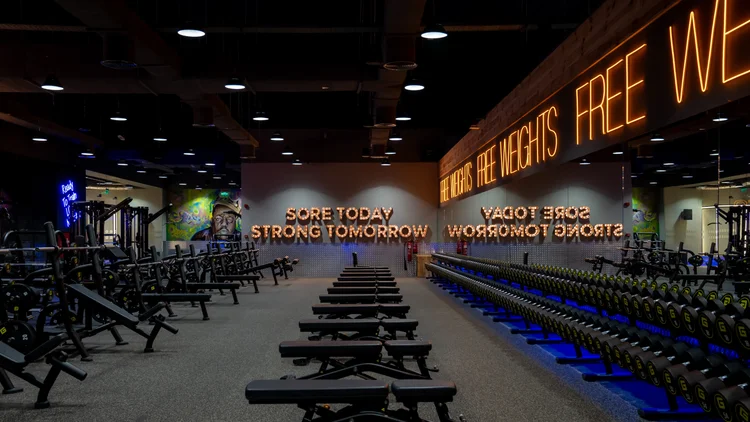
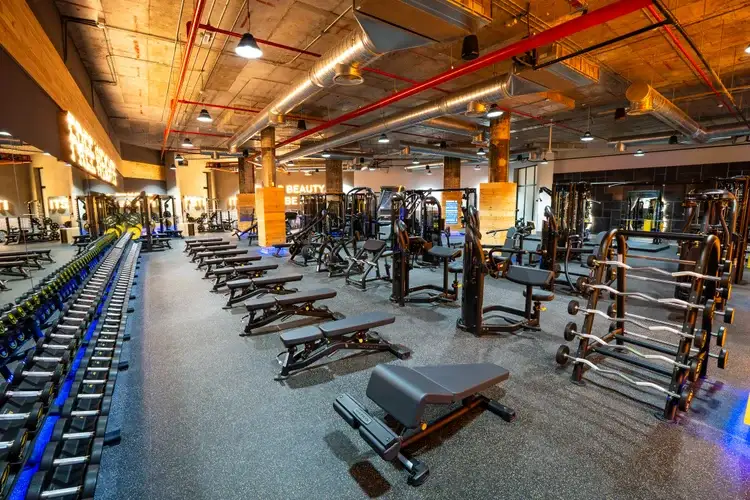
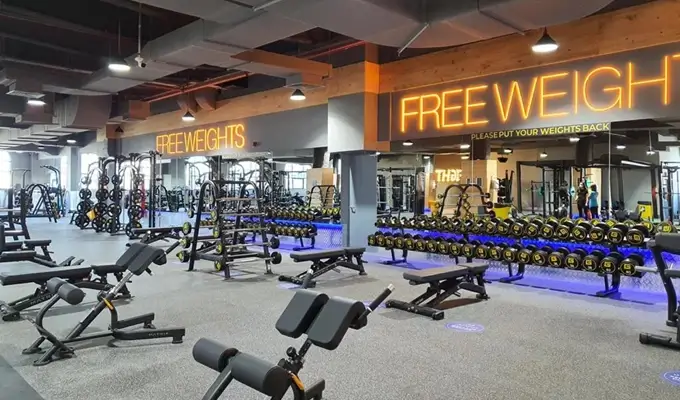
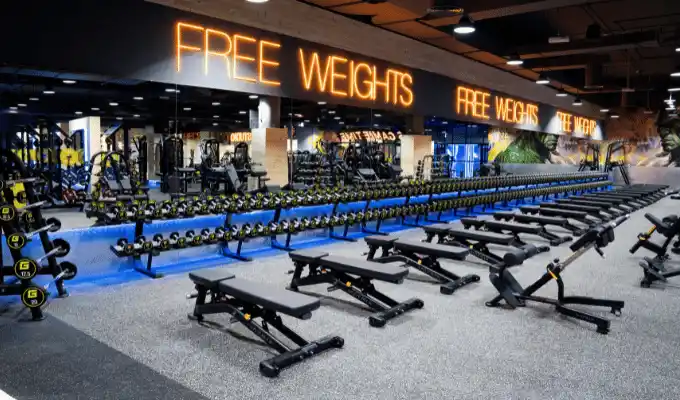
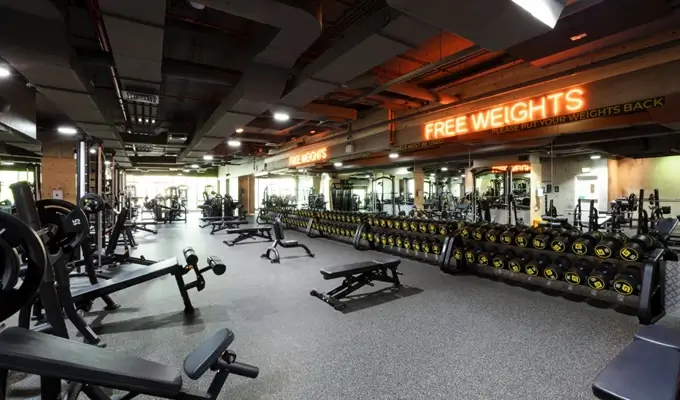
Gen Z gym culture is leaning into straightforward lifting and physique-focused training, partly because it’s more affordable than boutique classes. Expect a stronger “basics work” vibe: consistent sets, hard effort, repeatable progress.
If you want a simple place to start, build your plan around proven training foundations in the Fitness Hub.
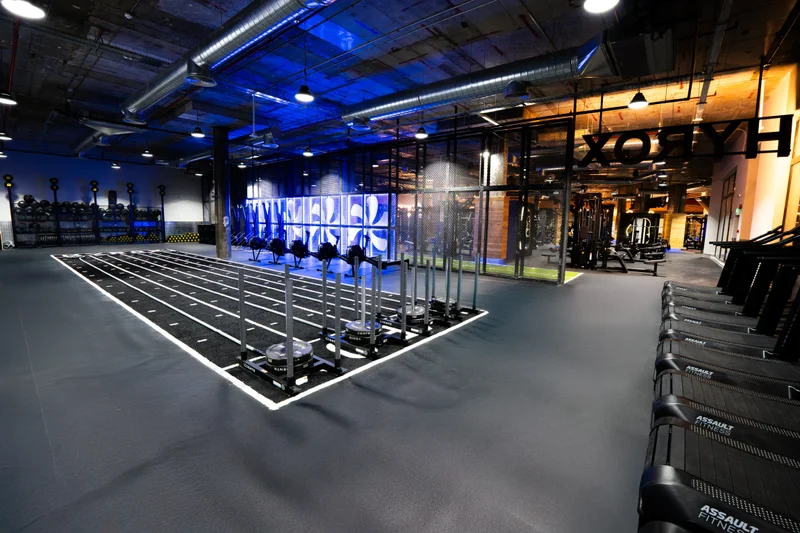
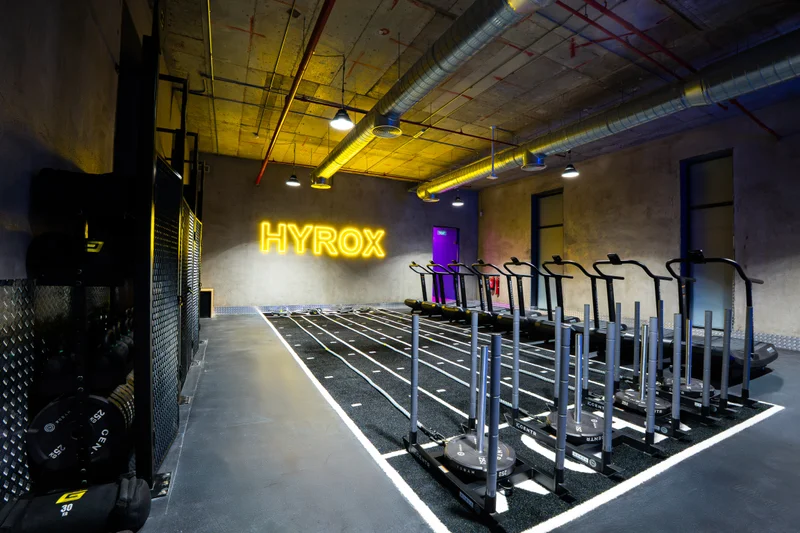
9) Hyrox momentum continues, and gyms create “Hyrox-style” experiences
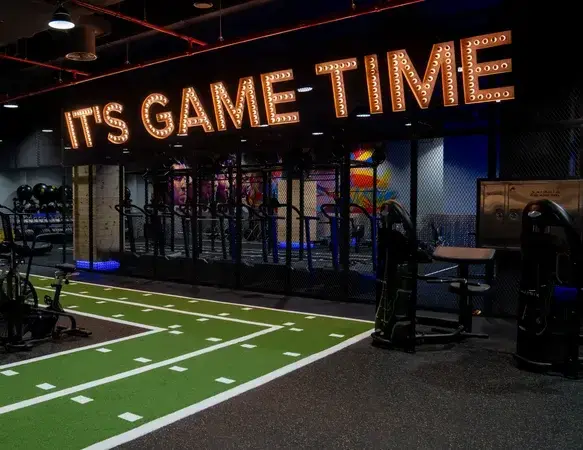
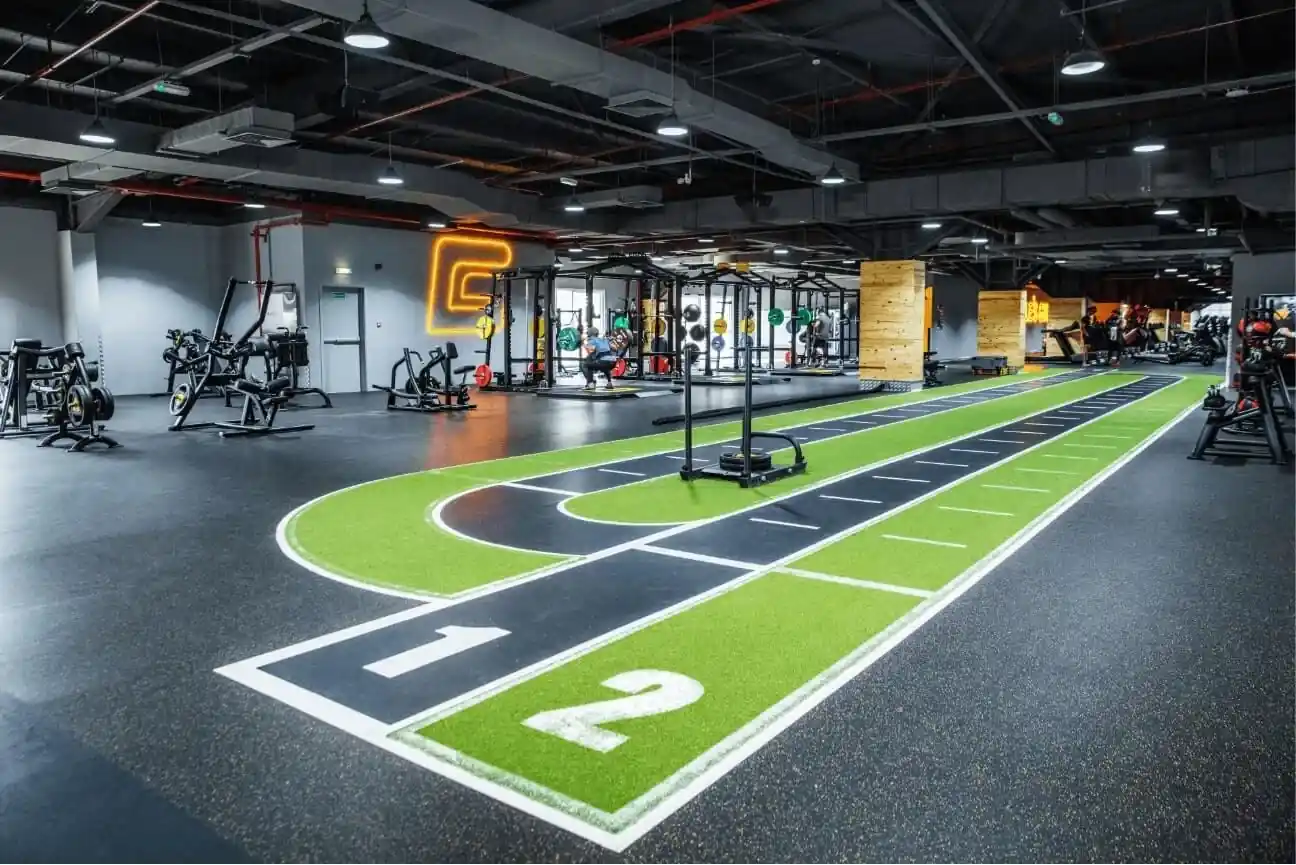
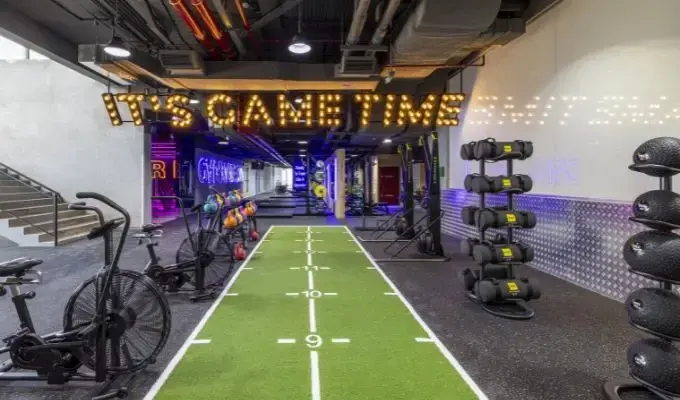
Competitive fitness racing is still oversubscribed, and many gyms are responding by building their own in-house simulations and race-style classes rather than waiting for tickets.
GymNation take: use these sessions strategically. They’re great for conditioning, but you’ll stay healthier and progress faster if you keep strength work as the anchor and use race-style training as a complement.
10) Running evolves: track speed, trail adventures, and ultras
Run clubs are diversifying. Some people want speed and structure on the track. Others want trails, elevation, and longer endurance challenges beyond the marathon.
GymNation take: if your running volume rises, strength training becomes even more important for durability.
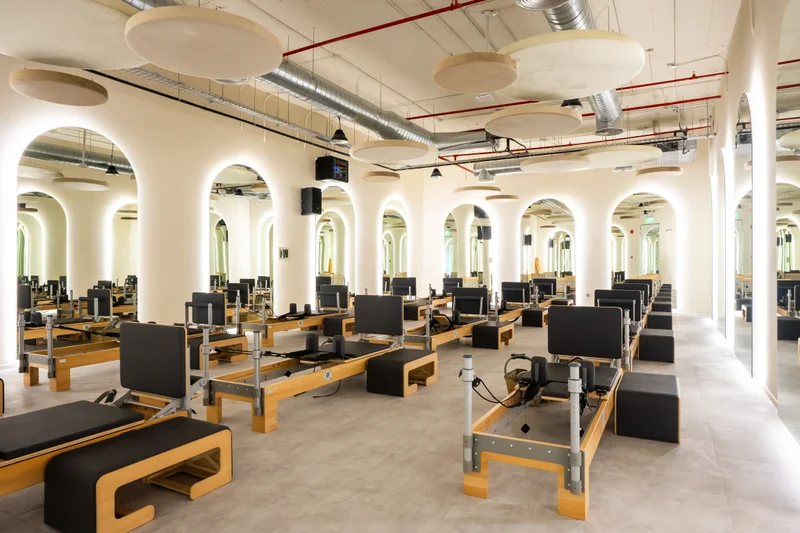
11) Reformer Pilates gets a new audience
Reformer Pilates is pushing further into the mainstream, including more men stepping into studios. It’s being framed as a serious full-body training method, not just “mobility work.”
If you want to try it, start here: Reformer Pilates.
12) A more thoughtful way to eat
Instead of living and dying by macros, there’s growing interest in “contemplative nutrition”: health, mental wellbeing, sustainability, ethics, and eating as a social behaviour. Alongside that: more flexitarian habits and a stronger push to reduce ultra-processed intake.
GymNation take: you don’t need a new diet identity. Aim for a routine you can repeat: enough protein, fibre-rich whole foods most of the time, and flexibility without guilt.
13) Healthier partying and “daytime” nightlife
Expect more sober raves, zero-alcohol alternatives, and events designed to deliver fun without the inevitable next-day crash.
14) Micro-therapy and single-session interventions
With cost and access barriers still real, short, targeted therapy formats are expected to grow, especially for clear, time-sensitive issues.
GymNation take: mental fitness is part of training. If stress is high, your program needs to reflect that.
What industry insiders are betting on
Across expert predictions, three ideas keep showing up:
-
Recovery becomes a primary reason to visit fitness spaces.
-
The “ideal” physique shifts toward athletic, sustainable muscle rather than extremes.
-
More competition formats will appear, but the winners will be easy to replicate, well-produced, and community-driven.
How to use 2026 trends without getting overwhelmed
If you do nothing else, build your year around four non-negotiables:
-
Strength training (the foundation for longevity and body composition)
-
Cardio you’ll actually do (walks count)
-
Recovery routines (sleep, stress management, sensible volume)
-
Nutrition basics (protein, fibre, hydration, consistency)
Then add one “trend” at a time only if it supports those pillars.
Source: menshealth.com
The opinions shared in the blog articles are solely those of the respective authors and may not represent the perspectives of GymNation or any member of the GymNation team.


What are the biggest wellness trends for 2026?
Expect more recovery-led wellness (sauna, cold plunge, advanced recovery tools), practical biohacking, and a split between old-school lifting and new race-style fitness formats.
Are massage robots actually useful?
They can help with short-term muscle tension and convenience. They work best when paired with strength training, mobility, and good sleep.
Is hypoxic (altitude) training safe for everyone?
It can be beneficial in controlled settings, but it’s not for everyone. If you have medical conditions or feel unwell in low-oxygen environments, you should get professional guidance.
What does “contemplative nutrition” mean?
A more holistic approach to eating that considers physical health, mental wellbeing, sustainability, ethics, and the social side of meals.
Will reformer Pilates really be a major trend in 2026?
It’s growing fast because it’s scalable for beginners and challenging for experienced trainees, and it supports strength, control, and movement quality.
GET YOUR FREE TRIAL TODAY