

Barbell Elevated Heel Squat
Barbell Elevated Heel Squat Video Guide
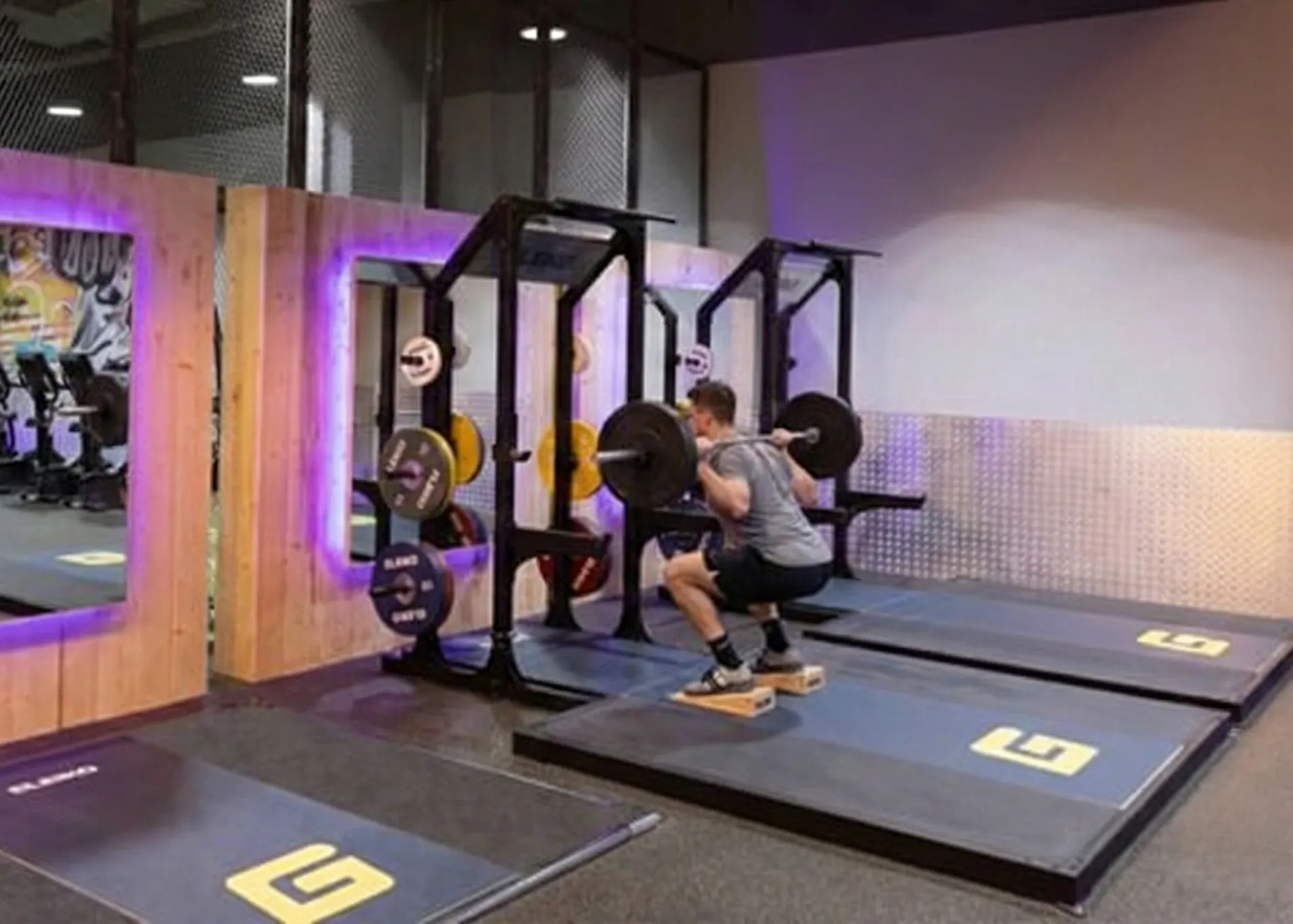
The Barbell Elevated Heel Squat is a heel elevated squat variation that shifts emphasis onto the quad muscles while still training the glutes, hamstrings, and other posterior muscles of the posterior chain. By using a small elevated heel—plates, wedges, or weightlifting shoes with raised heels—you improve ankle mobility, increase knee flexion, and keep a more upright posture than in a traditional barbell squat or regular squat. This change in movement pattern lets you sit into a deeper squat with less stress on the lumbar spine, making it an effective option for strength training, general fitness, and building lower body strength in the thighs and hips. Many lifters first hear about it on barbell elevated heel squat reddit threads as a way to level up their squat game and improve mobility for front squat and back squats.
How to Perform the Barbell Elevated Heel Squat
-
Stand with your feet shoulder-width apart, heels raised on plates or wedges, barbell resting across the upper back and shoulders, chest lifted.
-
Take a deep breath, brace your core, and set a strong torso position so the bar path stays over the mid-foot during the movement.
-
Bend at the knees and hips, allowing controlled forward knee travel while the ankles dorsiflex over the elevated heel, lowering into a comfortable depth.
-
Pause briefly when the thighs are near parallel or just below, maintaining balance, stability, and tension through the quads, glutes, and hamstrings.
-
Press firmly through the full foot—especially the heels and toes—driving hip extension to perform the ascent and return to the starting position under control.
GymNation Tip: Let your knees travel and stay tall—heel elevation is there to load the quads, not to let you lean forward or bounce out of the bottom.
Personal Trainer Notes:
-
Keep the heels raised the same height on both sides to maintain joint alignment at the knee joint, hips, and ankles.
-
Focus on a vertical torso and strong core to reduce shear on the lumbar spine and keep an upright posture.
-
If you have limited ankle mobility or hip mobility, use a slightly higher raised heel to achieve greater range and smoother motion.
-
Start with lighter weight than your usual barbell back squat while you learn the variation and refine proper form.
-
Think about spreading the feet into the ground to create extra stability through the joints and improve muscle activation.
 WHATSAPP
 EMAIL
EMAIL
 SHARE VIA
Alternative Quad Exercises

Smith Chair Squat
The Smith Chair Squat targets the quadriceps while engaging the glutes and core for stability. The Smith machine supports balance, making it a safe option for beginners aiming to build lower-body strength.

Sled 45 degrees Leg Press
The Sled 45 Degrees Leg Press develops overall leg strength with focus on the quads, glutes, and hamstrings. The angled platform allows heavy, safe loading while maintaining joint stability.

Kettlebell Goblet Squat
The Kettlebell Goblet Squat strengthens the quads, glutes, and core. Holding the kettlebell close to your chest helps maintain balance and improves form for beginners and intermediates alike.

Lever Leg Extension
The Lever Leg Extension isolates the quadriceps and enhances muscle definition in the front of the thighs. It’s excellent for controlled strength development and pre-exhaust work.

Dumbbell Goblet Split Squat Front Foot Elevated
The Dumbbell Goblet Split Squat (Front Foot Elevated) targets the quads with support from the glutes and hamstrings. Elevating the front foot increases the stretch and engagement on the working leg.

Barbell Quarter Squat
The Barbell Quarter Squat strengthens the quadriceps and improves top-end strength for heavier lifts. It’s performed with a shorter range of motion to emphasise power development.

Sissy Squat Bodyweight
The Sissy Squat Bodyweight isolates the quadriceps, helping develop balance and strength without heavy weights. It’s ideal for improving knee stability and quad definition.

Barbell Front Squat
The Barbell Front Squat targets the quadriceps, core, and upper back. Holding the barbell in front shifts the load forward, demanding greater core stability and upright posture.

Barbell High Bar Squat
The Barbell High Bar Squat primarily develops the quadriceps while engaging the glutes and core. It’s a staple compound lift that builds lower-body strength, coordination, and muscle mass.
Barbell Elevated Heel Squat FAQs
Heel elevated squats improve ankle dorsiflexion, allow a deeper deep squat position, and increase quad activation by shifting more pressure toward the front of the thighs. The more upright posture can also reduce knee pain and lower-back strain when performed with good technique.
Heel elevation lets the knees travel further forward while the hips stay under the bar, keeping the torso upright. This movement pattern targets the knee extensors more than the hips, changes how force is distributed across the joints, and can feel more natural for lifters with stiff ankles or longer femurs.
It’s not strictly better—just a useful variation. A traditional squat or regular barbell squat hits the entire posterior chain more evenly, while the elevated heel version focuses on the quads and helps many lifters reach better depth and balance. Using both in your training routine covers more muscle groups and movement angles.
Both work. Weightlifting shoes provide built-in heel elevation and solid stability for ongoing training, while plates or wedges under the heels are a simple way to experiment with different heel heights and angles before you invest in shoes.
Yes. Even though the Barbell Elevated Heel Squat is quad-dominant, the glutes and hamstrings assist with hip extension and control at the bottom of the squat. As long as you maintain good position, balance, and full-body tension, the whole lower body—including the hips, thighs, and posterior muscles—benefits from the lift.