


Cable Wrist Curl
Cable Wrist Curl Video Guide
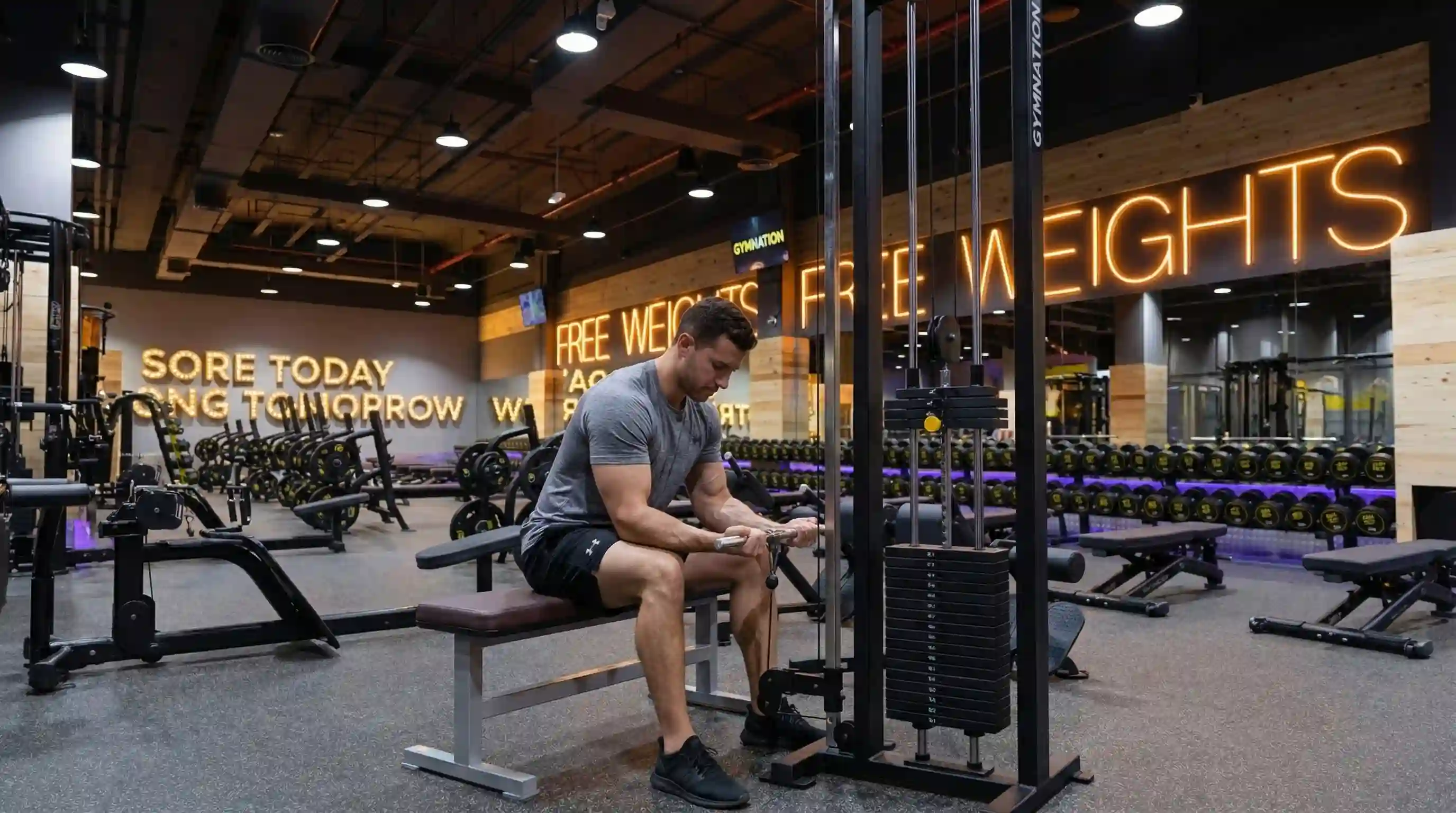
The Cable Wrist Curl targets the forearm flexors on the underside of the forearms while using the cable machine to keep constant tension through the entire motion. Unlike a barbell or dumbbell wrist curl, the cable wrist curl provides smoother resistance, reduces momentum, and helps improve grip strength, wrist control, and overall forearm development. With the correct starting position—forearms resting on your thighs, palms facing up, and an underhand grip—you maintain full range, prevent injuries, and build stronger wrists for deadlifts, pull-ups, and other grip-heavy lifts.
How to Perform the Cable Wrist Curl
-
Attach a straight bar to a low cable pulley and sit facing the machine with feet shoulder width apart.
-
Take an underhand grip, rest your forearms on your thighs, and let your wrists hang over your knees.
-
Curl the bar upward by flexing the wrist only; keep elbows still.
-
Pause briefly to build tension in the forearm flexors, then slowly lower the bar to the starting position.
-
Repeat controlled reps, keeping palms facing up and the motion smooth.
Personal Trainer Notes:
-
Keep forearms resting on your thighs—only the wrist should move.
-
Avoid jerking the bar; maintain controlled movement and steady resistance.
-
Light to moderate weight gives better form and reduces wrist injuries.
-
Full range and slow lowering phases increase forearm strength.
-
If form slips, reduce load to maintain proper wrist extension.
 WHATSAPP
 EMAIL
EMAIL
 SHARE VIA
Alternative Forearm Exercises

Barbell Standing Back Wrist Curl
The Barbell Standing Back Wrist Curl strengthens the wrist extensors (top of the forearm) and improves grip control. It’s an excellent move for balanced wrist and forearm development.

EZ Barbell Reverse Grip Curl
The EZ Barbell Reverse Grip Curl works the wrist extensors (top of the forearm) and biceps (brachioradialis) simultaneously. It helps build grip strength and balanced arm size.

Dumbbell Seated Palms-up Wrist Curl
The Dumbbell Seated Palms-up Wrist Curl strengthens the wrist flexors and builds the underside of the forearms. It’s great for grip endurance and wrist control.

Dumbbell Reverse Wrist Curl
The Dumbbell Reverse Wrist Curl targets the wrist extensors (top of the forearm) and improves forearm balance and grip endurance. It’s excellent for reducing wrist strain and enhancing control.

Dumbbell One Arm Wrist Curl
The Dumbbell One Arm Wrist Curl isolates one wrist at a time to strengthen the wrist flexors (underside of forearm). It helps improve balance and grip control between both arms.

Wrist Roller
The Wrist Roller builds wrist, forearm, and grip strength by controlling a rolling weight. It’s a classic and effective exercise for total forearm development and endurance.

Barbell Wrist Curl
The Barbell Wrist Curl targets the wrist flexors (underside of the forearm), improving grip strength and forearm thickness. It’s a staple for building strong wrists and better lifting control.

Barbell Reverse Wrist Curl
The Barbell Reverse Wrist Curl targets the wrist extensors (forearm muscles) and helps balance forearm strength to prevent injury and improve grip. It strengthens the top of the forearm for balanced arm development.

Barbell Finger Curls
The Barbell Finger Curls strengthen grip and the forearm flexors by isolating finger flexion. It’s excellent for lifters and athletes who need better grip endurance.
Cable Wrist Curl FAQs
Yes. The cable wrist curl is a great exercise for isolating the forearm flexors, improving grip strength, and supporting wrist stability. The cable machine offers consistent tension which improves control, reduces risk of injury, and helps with forearm growth.
Sit in front of a low pulley, grab the handle with an underhand grip, rest your forearms on your thighs, and curl the bar using wrist flexion only. Keep elbows still, slowly lower the bar, and maintain tension through the full range.
Use an underhand grip for wrist flexors. An overhand grip becomes a reverse curl that targets the wrist extensors. Both movements help balanced forearm training, but they work different muscles.
Forearms respond best to higher-rep sets: 12–20 controlled reps with lighter weights. Focus on strict form, smooth tension, and slow eccentrics to improve forearm strength and reduce injury risk.
Yes. Stronger wrist flexors and extensors help stabilise the joint and reduce stress during heavy lifts, sports performance, and daily activities. Use controlled reps and avoid going too heavy.