

Barbell Deadlift
Barbell Deadlift Video Guide
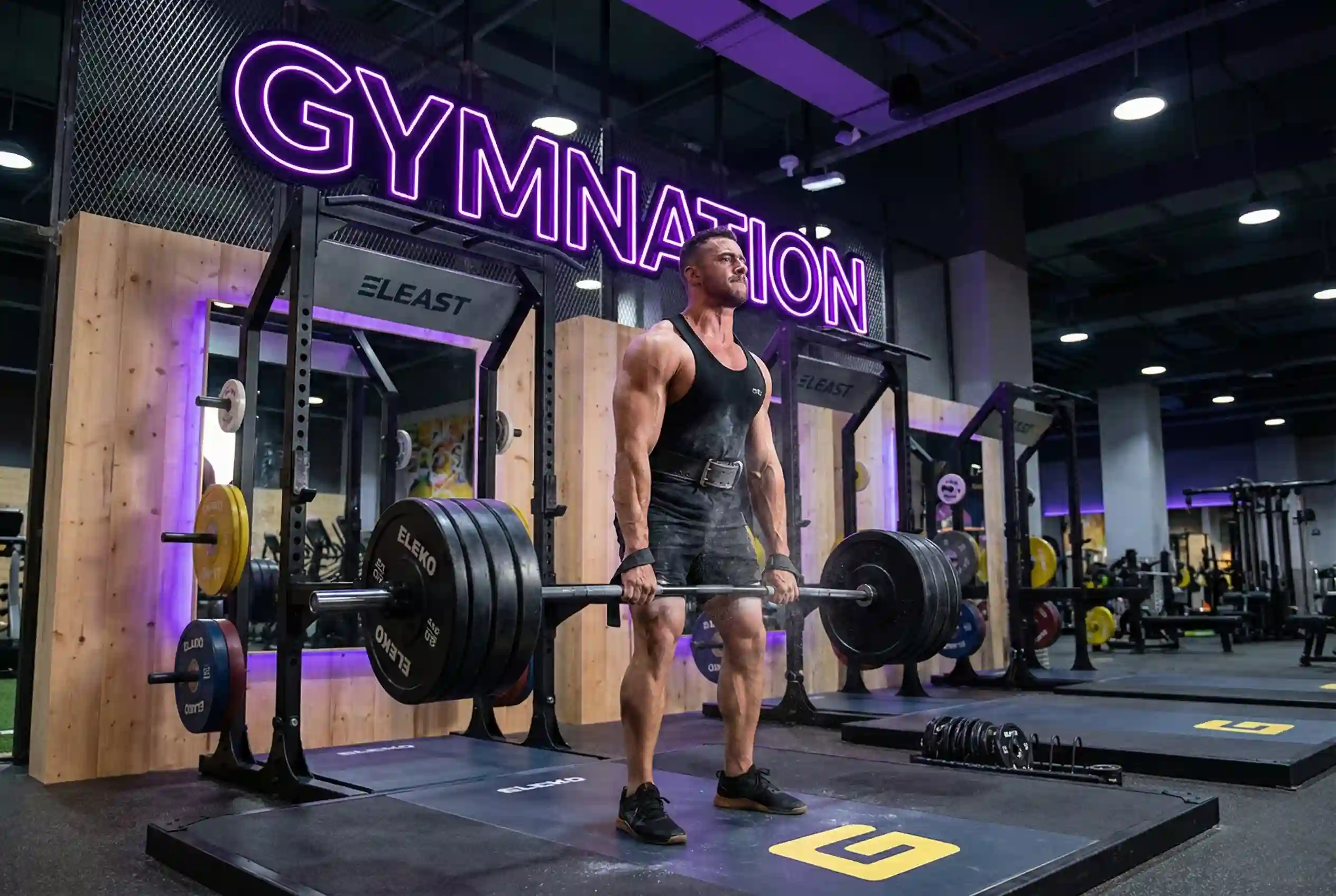
The barbell deadlift (also called the conventional deadlift) is one of the most effective compound exercises for building full-body strength. It trains the posterior chain, including the erector spinae, gluteus maximus, hamstrings, latissimus dorsi, upper back, core muscles, and abdominal muscles, while also developing serious grip strength. Because the movement uses a clean hip hinge and a neutral spine, the deadlift improves posture, core stability, functional strength, and power across multiple muscle groups.
This traditional deadlift pattern forms the foundation for deadlift variations such as the Romanian deadlift, sumo deadlift, trap bar deadlift, hex bar deadlift, single-leg deadlift, deficit deadlift, and other deadlift exercises. Each variation offers a different range of motion, stance, and muscular emphasis, but the movement pattern remains the same: a strong starting position, a stable spine, and coordinated lower-body and upper-body pulling mechanics.
Whether using a double overhand grip, mixed grip, alternating grip, or hook grip, the goal is always to lift with proper deadlift technique — keeping the bar close, driving the hips forward, and maintaining tension throughout the entire lift. When performed correctly, the conventional barbell deadlift builds strength safely, supports other lifts such as the bench press, and improves long-term progress in any strength-training program.
How to Perform the Barbell Deadlift
-
Set the starting position: Stand with your feet shoulder width apart, toes under the bar so it sits over your midfoot. Keep a slight bend in your knees.
-
Grip the bar: Hinge forward, grab the bar just outside your knees using an overhand grip, mixed grip, or hook grip depending on your preference.
-
Engage your lats: Pull your shoulder blades tight and brace your core muscles to create a strong neutral spine.
-
Drive the lift: Push the floor away, extend the hips and knees, and keep the bar close as you rise into a tall standing position with your hips forward.
-
Slowly lower: Hinge at the hips and slide the bar down your legs with control. Reset at the bottom before the next rep to maintain proper form.
GymNation Tip: If form breaks — rounded back, bar drifting forward, or loss of neutral position — reduce the weight and reinforce the movement pattern with lighter weights, a raised bar position, or beginner-friendly dumbbell deadlift variations.
Personal Trainer Notes:
-
Keep the bar close — contact with the shins and thighs is normal.
-
Maintain a neutral spine and avoid rounding at all times.
-
Push your hips back first; don’t squat the weight up.
-
Rotate between grips (overhand, hook, mixed) to build grip strength.
-
Reset between reps for safer, cleaner movement.
-
If mobility limits range of motion, use blocks or a raised platform.
-
Use lighter weights while learning; only add heavier loads with perfect form.
 WHATSAPP
 EMAIL
EMAIL
 SHARE VIA
Alternative Back Exercises

Pull-up
The Pull-up is a classic compound exercise that builds the lats (latissimus dorsi), biceps, and traps. It increases upper-body strength and improves grip endurance.

Lever Back Extension
The Lever Back Extension targets the lower back (erector spinae), glutes, and hamstrings. It helps build spinal stability and hip strength when performed with control.

Dumbbell Bent Over Row
The Dumbbell Bent Over Row strengthens the lats (latissimus dorsi), rhomboids, and rear delts while engaging the core for stability. It’s ideal for balanced back development and correcting side-to-side imbalances.

Wide Grip Pull-Up
The Wide Grip Pull-Up targets the outer lats (latissimus dorsi) for width and shape, while also engaging the traps and biceps. It helps create the V-taper look.

Cable Seated Row
The Cable Seated Row works the middle back (rhomboids, lats, and traps) with constant tension. It’s excellent for building a thicker, stronger back and improving posture.

Barbell Bent Over Row
The Barbell Bent Over Row targets the lats (latissimus dorsi), mid-back (rhomboids), and rear delts (posterior deltoids). It builds strength, posture, and overall back thickness. Keep your torso stable and pull the bar under control for the best results.

Cable Pulldown
The Cable Pulldown builds the lats (latissimus dorsi) and upper back while involving the biceps and rear delts. It’s great for adding width and improving pull-up strength.

Cable Front Seated Row
The Cable Front Seated Row works the lats (latissimus dorsi), rhomboids, and rear delts. The constant cable tension helps improve posture and back muscle balance.

Barbell Shrug
The Barbell Shrug isolates the upper traps (trapezius) and helps strengthen your neck and shoulders. It’s simple but highly effective for building upper-back definition.
Barbell Deadlift FAQs
It builds full-body strength across the posterior chain, including the glutes, hamstrings, erector spinae, core, and lats. It improves posture, power, and coordination across multiple muscle groups.
- Beginners: ~80–100 kg
- Intermediate: ~120–160 kg
- Advanced: 180 kg+
This depends on proper form and a structured strength training program.
Use a shoulder-width stance, hinge forward, grip the bar just outside your knees, brace your core, and lift by extending hips and knees while keeping the bar close and the spine neutral.
Yes — deadlifts heavily recruit multiple muscle groups, making them one of the most effective exercises for building muscle and strength.
With proper technique, they strengthen the lower back and spinal extensors. Poor positioning, excessive knee bend, or too heavy a load increases risk.
1–2 times per week to balance strength gains and recovery.
No. Rotate heavy days with moderate or technique-focused sessions to avoid fatigue and reduce sticking points.
Yes — the movement strengthens the entire posterior chain and encourages better spinal alignment, benefitting posture and back health.