

Cable Pulldown
Cable Pulldown Video Guide
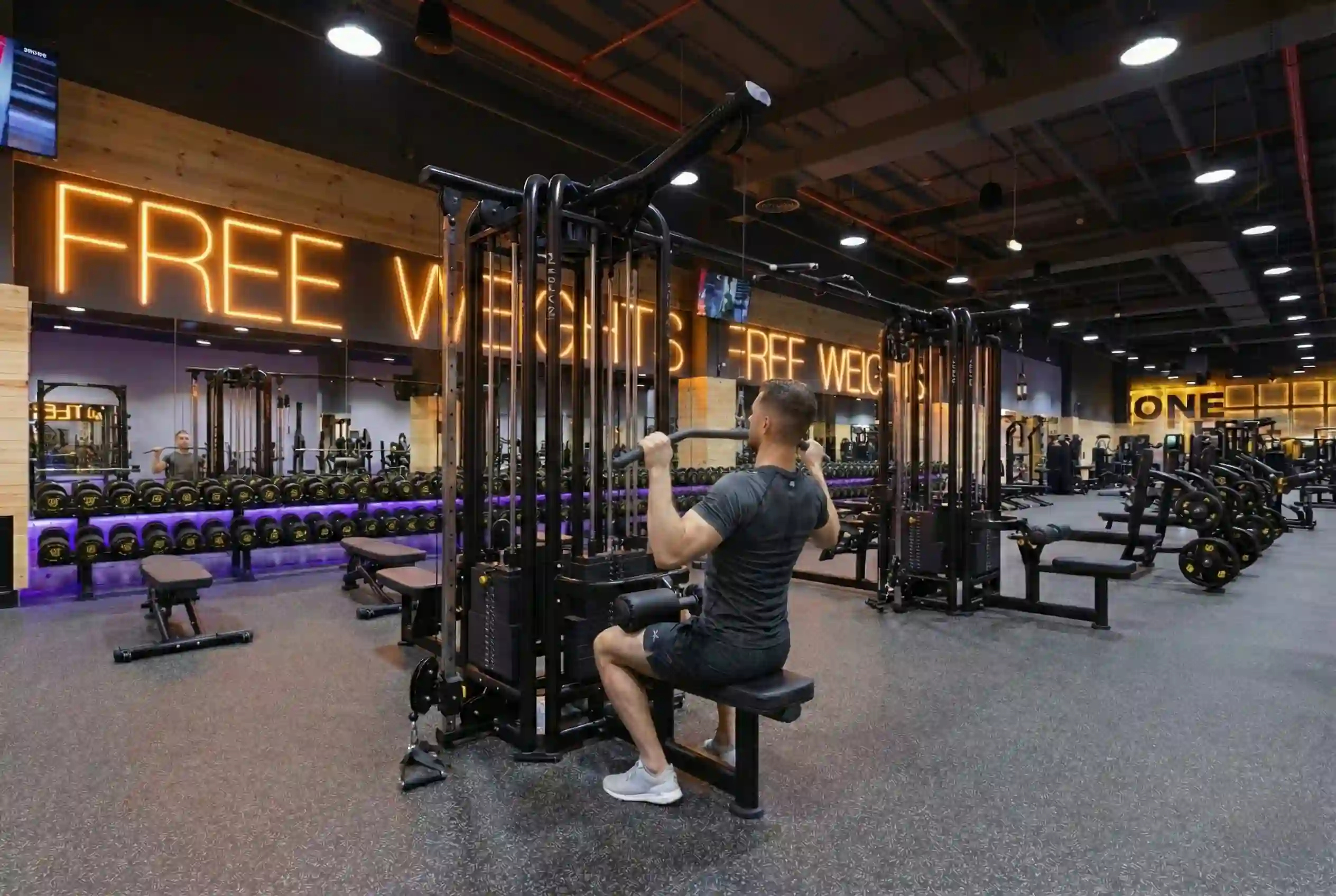
The cable pulldown—often called the lat pulldown—is one of the most effective vertical pulling exercises for building upper-back width, lat thickness, and overall pulling strength. Performed on a lat pulldown machine, it targets the latissimus dorsi, rhomboids, rear delts, traps, biceps, forearms, and supporting back muscles involved in stabilising the torso. Because the cable provides constant tension throughout the entire range of motion, lifters develop stronger mind–muscle connection, better proper form, and smoother, more controlled reps than with many free-weight alternatives like barbell rows or inverted rows.
Using a slightly wider overhand grip emphasises the lats, while a neutral grip or close grip can shift tension to different portions of the upper back. The cable pulldown also teaches the correct vertical pulling pattern for exercises such as pull ups, helping beginners and advanced lifters build strength without using too much weight or relying on momentum.
Whether the goal is back width, posture improvement, or balanced upper-body development, the cable pulldown fits into any pull day, full-body routine, or strength-training programme. With multiple variations—wide grip, underhand, neutral grip, single-arm—this movement trains the entire back and makes progression simple and measurable.
How to Perform the Cable Pulldown:
-
Sit tall on the lat pulldown machine, place your knees securely under the knee pad, and keep your feet flat to establish a strong starting position.
-
Grab the bar using an overhand grip slightly wider than shoulder width. Keep your arms straight and your chest lifted before initiating the pull.
-
Brace your core, keep the torso upright, and pull the bar toward your upper chest by driving your elbows down and in. Avoid leaning back or using too much weight.
-
At the bottom, squeeze your shoulder blades together to maximise back muscle activation and improve lat engagement.
-
Slowly return the bar to the top, maintaining constant tension and allowing the arms to fully extend without losing position or rocking the torso.
GymNation Tip: If your body starts to lean back, or the pull becomes jerky, reduce the load. A lighter, controlled lat pulldown is more effective than swinging with heavy weight.
Personal Trainer Notes:
-
Keep the torso upright—leaning back is a common mistake that reduces lat activation.
-
Pull with the elbows, not the hands—this increases lat and upper-back recruitment.
-
Maintain a neutral head and neck position.
-
Only pull the bar to your chin or upper chest; going lower compromises shoulder position.
-
Use an appropriate weight that allows a full range without losing tension.
-
Experiment with different cable attachments (wide grip, neutral, single-arm) to target other back muscles.
-
Stronger lats support posture, help protect the shoulders, and improve pulling strength for rows, barbell lifts, and pull-ups.
 WHATSAPP
 EMAIL
EMAIL
 SHARE VIA
Alternative Back Exercises

Cable Front Seated Row
The Cable Front Seated Row works the lats (latissimus dorsi), rhomboids, and rear delts. The constant cable tension helps improve posture and back muscle balance.

Cable Seated Row
The Cable Seated Row works the middle back (rhomboids, lats, and traps) with constant tension. It’s excellent for building a thicker, stronger back and improving posture.

Pull-up
The Pull-up is a classic compound exercise that builds the lats (latissimus dorsi), biceps, and traps. It increases upper-body strength and improves grip endurance.

Barbell Bent Over Row
The Barbell Bent Over Row targets the lats (latissimus dorsi), mid-back (rhomboids), and rear delts (posterior deltoids). It builds strength, posture, and overall back thickness. Keep your torso stable and pull the bar under control for the best results.

Wide Grip Pull-Up
The Wide Grip Pull-Up targets the outer lats (latissimus dorsi) for width and shape, while also engaging the traps and biceps. It helps create the V-taper look.

Lever Back Extension
The Lever Back Extension targets the lower back (erector spinae), glutes, and hamstrings. It helps build spinal stability and hip strength when performed with control.

Barbell Deadlift
The Barbell Deadlift targets the lower back (erector spinae), glutes, hamstrings, and traps. It’s a total-body strength builder that improves posture and power.

Dumbbell Bent Over Row
The Dumbbell Bent Over Row strengthens the lats (latissimus dorsi), rhomboids, and rear delts while engaging the core for stability. It’s ideal for balanced back development and correcting side-to-side imbalances.

Barbell Shrug
The Barbell Shrug isolates the upper traps (trapezius) and helps strengthen your neck and shoulders. It’s simple but highly effective for building upper-back definition.
Cable Pulldown FAQs
The cable pulldown targets the latissimus dorsi, rhomboids, rear delts, traps, biceps, and forearms, along with stabilising back muscles involved in vertical pulling. It’s one of the best exercises for developing upper-back width and improving pulling strength.
Sit upright, secure your knees, use a grip slightly wider than shoulder width, and pull the bar toward your upper chest using elbow drive. Pause, squeeze your shoulder blades, then slowly return the bar with full control.
Cable pulls—including cable pulldowns and cable rows—work the lats, traps, rhomboids, rear delts, arms, and forearms while improving posture and helping develop the entire back.
Yes. The lat pulldown is simply another name for the cable pulldown, performed on a lat pulldown machine using various grips and attachments.
Absolutely. The adjustable load and stable movement pattern make it ideal for beginners learning correct pulling mechanics.
Bring the bar toward your upper chest or chin level—going too low shifts tension away from the lats and stresses the shoulders.
None — both terms refer to the same exercise using a cable machine to target the lats and upper back.