


Barbell Incline Bench Press
Barbell Incline Bench Press Overview
The incline barbell bench press is one of the most effective bench press variations for building the upper chest, with primary emphasis on the clavicular head of the pectoralis major. Setting the bench to 30–45° shifts the pressing angle upward, increasing load on the upper pecs while still recruiting the sternal head, anterior deltoid, and triceps brachii. This compound movement is ideal for upper-chest hypertrophy, pressing strength, and balanced chest development.
Compared to the flat bench press, decline press (which places more emphasis on the lower pecs), decline barbell bench press, or incline dumbbell press, the incline barbell press promotes strong muscle activation, can reduce shoulder strain for many lifters, and improves chest development by stressing the upper fibres through a greater range. The dumbbell version of the incline press can enhance stabilisation and unilateral engagement, helping correct strength imbalances and requiring stricter control.
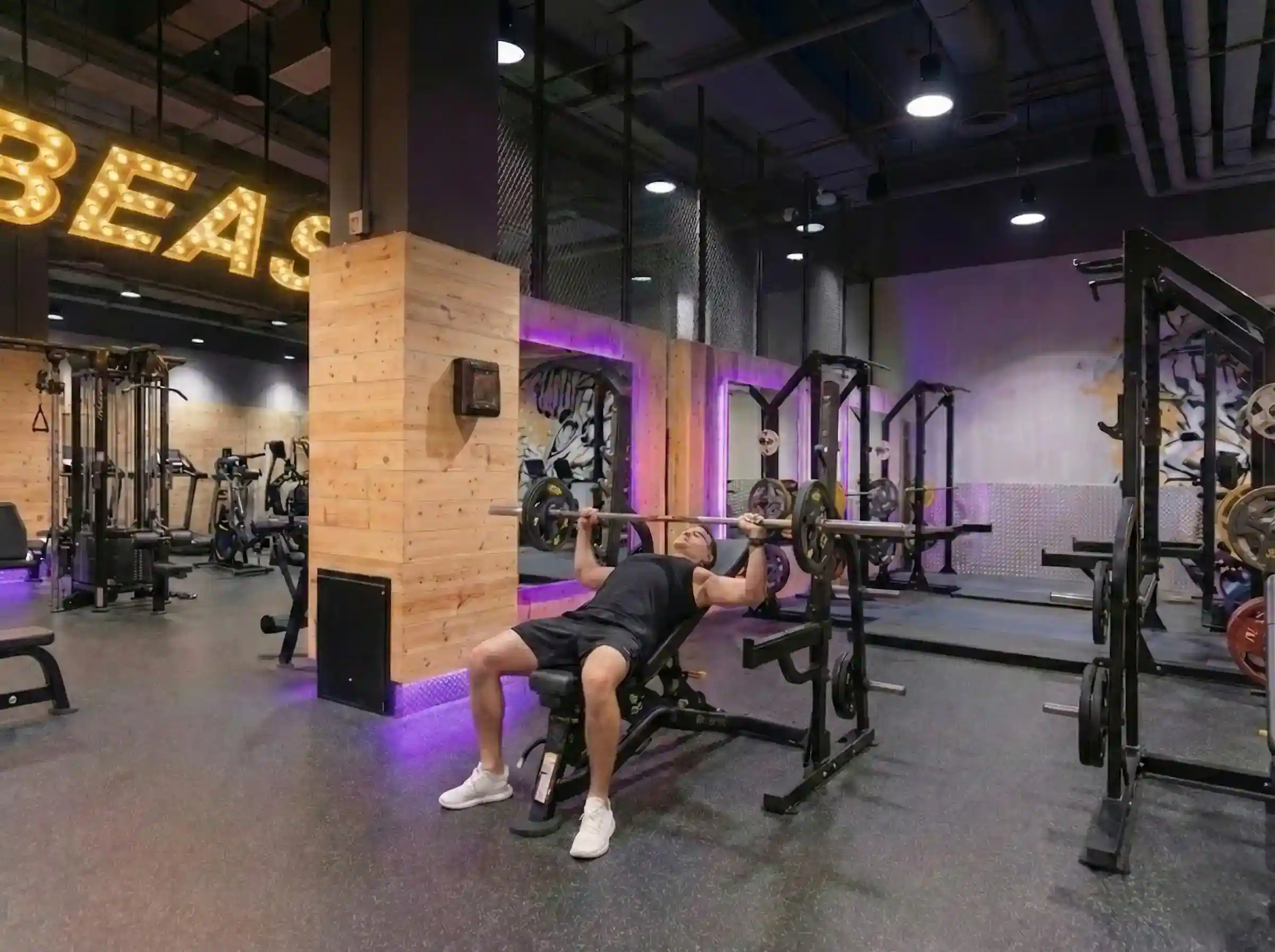
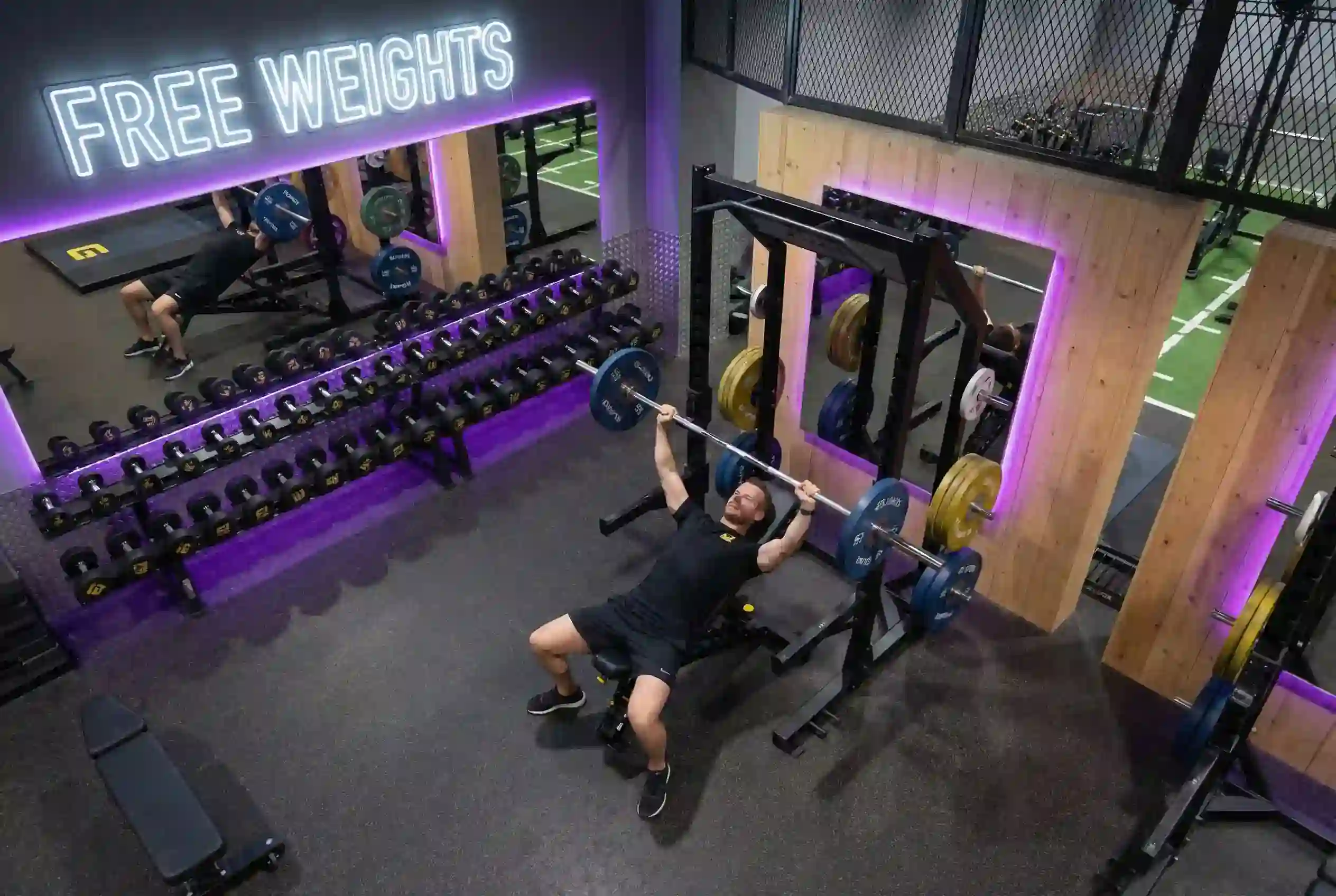
A solid starting position—shoulder blades pinned back, grip slightly wider than shoulder width, and feet firmly on the floor—keeps the bar path consistent and prevents unnecessary stress on the shoulder joints, wrists, and elbows. Using a rack is important for safety when unracking and reracking the barbell, especially as you progress to more weight. This setup ensures the bar tracks directly over the upper chest instead of drifting forward.
Whether you’re pushing for muscle growth, improved pressing strength, increased bench-press carry-over, or better activation of the upper clavicular fibres, developing strength through the incline bench press remains a foundation compound exercise for a stronger, fuller upper chest.
How to Perform the Barbell Incline Bench Press
-
Set the incline bench to 30–45° and sit with your feet planted hard on the floor.
-
Grip the barbell slightly wider than shoulder width using an overhand grip. Keep palms facing forward to maintain chest and triceps emphasis while reducing shoulder strain.
-
Unrack the bar to your starting position directly over the upper chest, keeping shoulder blades retracted.
-
Slowly lower the bar under control to the upper chest, maintaining straight wrists, elbows tracking under the bar, and a neutral neck.
-
Push the bar back through the same path until your arms are fully extended—without aggressive lockout. Lead with the chest to maximise muscle activation and keep tension in the pecs and triceps.
GymNation Tip: Think “upper pecs” and a steady bar path, not a flat-bench motion.
Personal Trainer Notes:
-
Retract shoulder blades for maximum chest activation
-
Lead with the chest during the pressing motion
-
Avoid flaring the arms; elbows should track under the bar
-
Maintain straight wrists and a firm grip
-
Keep ribs down, brace the core, avoid over-arching
-
If you struggle to feel the upper pecs on the flat bench, the incline bench press usually fixes that
Additional Benefits & Common Mistakes
Why this variation works so well:
-
The incline angle shifts tension to the upper pecs
-
Increased shoulder flexion enhances muscle activation
-
Strong carry-over to overhead pressing and flat bench press
-
Can reduce shoulder strain compared with flat bench for many lifters
-
Excellent for balanced upper-chest development and consistent bar control
-
Incline press variations (including the incline hex press) can also encourage stronger adduction across the midline of the chest
Common mistakes to avoid:
-
Setting the incline angle too high
-
Flaring elbows excessively
-
Letting the bar drift forward off the pec line
-
Losing tension in the upper back
-
Bouncing the bar off the chest
-
Wrists bending backward under load
-
Insufficient rest between sets, limiting strength and hypertrophy
-
Confusing incline work with decline bench press mechanics — the decline bench press emphasises the lower chest, not the upper clavicular fibres targeted here
 WHATSAPP
 EMAIL
EMAIL
 SHARE VIA
Alternative Chest Exercises

Dumbbell Incline Fly
The Dumbbell Incline Fly isolates the upper chest (clavicular pectorals) with support from the shoulders (anterior deltoids). It enhances muscle definition and helps develop upper chest control.

Dumbbell Incline Bench Press
The Dumbbell Incline Bench Press works the upper chest (clavicular pectorals), shoulders (anterior deltoids), and triceps. It helps improve upper chest definition and balance between sides while building pressing power.

Dumbbell Pullover
The Dumbbell Pullover is a dumbbell exercise that targets your pectorals. It also recruits the anterior deltoids and triceps to keep you stable and moving well from start to finish.

Cable Incline Fly (on Stability Ball)
The Cable Incline Fly (On Stability Ball) is a cable, stability ball exercise that targets your pectorals. It also recruits the anterior deltoids and triceps to keep you stable and moving well from start to finish.

Cable Incline Fly
The Cable Incline Fly is a cable exercise that targets your pectorals. It also recruits the anterior deltoids and triceps to keep you stable and moving well from start to finish.

Cable Incline Bench Press
The Cable Incline Bench Press is a cable exercise that targets your pectorals. It also recruits the anterior deltoids and triceps to keep you stable and moving well from start to finish.

Chest Dip
The chest dip is one of the most effective upper-body body-weight exercises for building the chest muscles,
Barbell Incline Bench Press FAQs
30° targets the upper pecs more effectively.
45° increases anterior-deltoid contribution and reduces pec isolation.
Primary:
-
Clavicular head of the pectoralis major (upper chest)
-
Sternal head of the pectoralis major (to a lesser extent)
Secondary:
-
Anterior deltoid
-
Triceps brachii
Stabilisers:
-
Serratus anterior
-
Rotator cuff muscles
-
Scapular stabilisers (middle and lower trapezius, rhomboids)
Not better—just different:
-
Flat press = mid-chest
-
Incline bench press = upper chest
Using both ensures complete chest development.
Use a load you can lower with control and without the bar drifting forward.
Technique beats ego-lifting every time.
Yes. It reinforces proper pressing mechanics, improves shoulder stability, and reduces compensation, helping lower injury risk.
Hypertrophy: 3–4 sets of 8–12
Strength: 4–5 sets of 4–6
Allow 60–90 seconds of rest between sets for recovery and performance.
Absolutely. Solid foot contact boosts pressing power and upper-body control.
Yes. Dumbbells enhance stabilisation, promote unilateral engagement, help correct imbalances, and allow a slightly greater range of motion.
Incorporate the decline press.
A decline angle shifts emphasis to the lower portion of the pecs for complete chest development.